
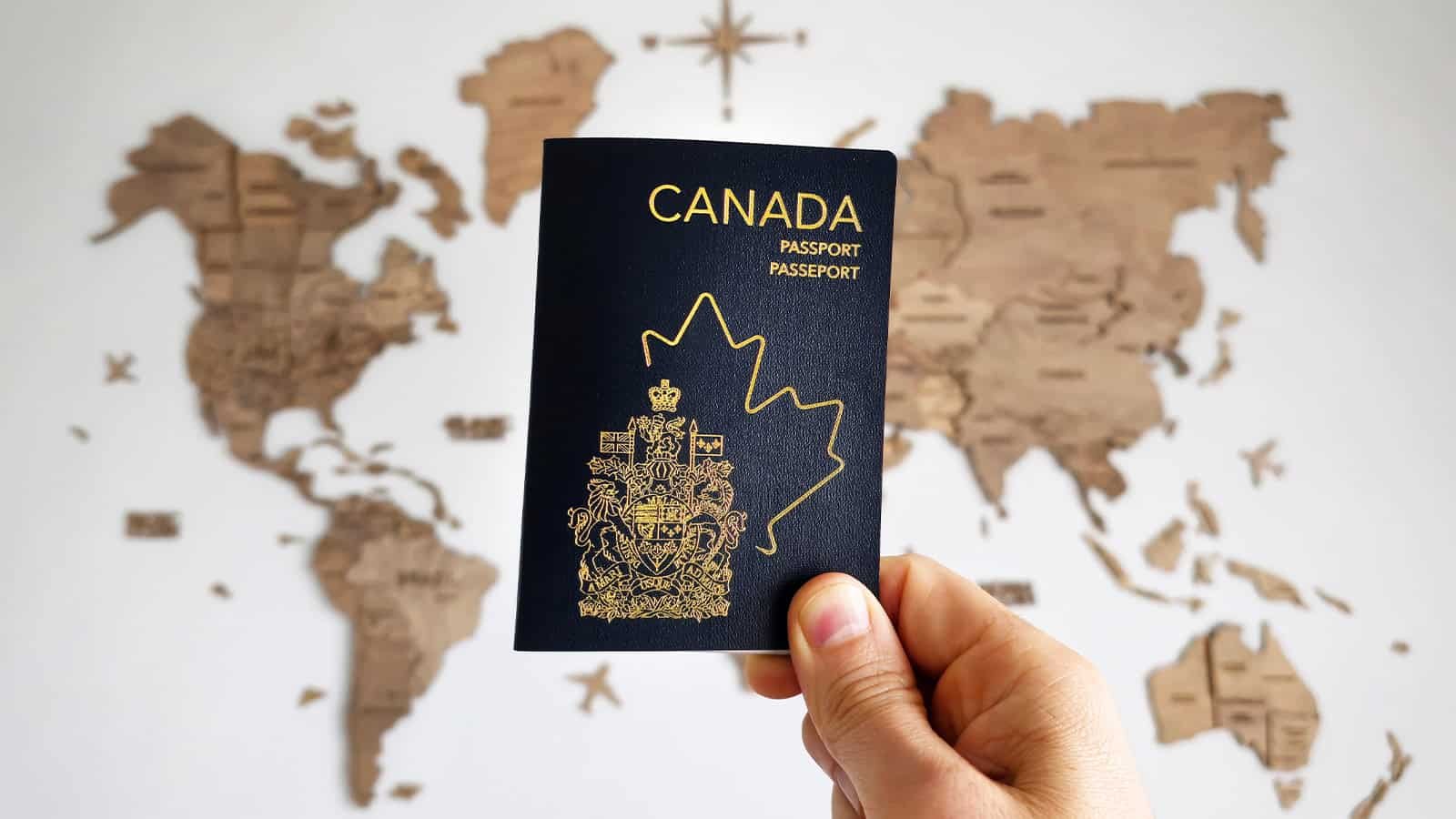
OTTAWA — Immigration, Refugees and Citizenship Canada (IRCC) is facing intense criticism after asking around 100 new citizens to surrender their recently issued citizenship certificates and passports. The controversial move follows administrative issues stemming from the implementation of Bill C-3, a legislative amendment that overhauled rules governing Canadian citizenship by descent.
The abrupt demand has left affected individuals in severe difficulty, particularly those traveling abroad in Europe and other regions who were unexpectedly requested to turn in their travel documents.
Root Cause: Verification Errors and Historic Records
According to reports, IRCC acknowledged that unclear operational guidelines and errors in reviewing historical documentation submitted by applicants led to the incident. Under Bill C-3, many applicants established Canadian lineage using historical records dating back to the 1800s, including census entries and baptismal certificates.
Immigration lawyers pointed out that frontline officers lacked clear, standardized criteria for evaluating and verifying such archival documents, which resulted in initial approvals being flagged retroactively.
Scope of Review and Political Fallout
Following growing public outrage and political scrutiny, IRCC launched a comprehensive review of approximately 6,500 citizenship applications. Of the flagged cases, at least 33 citizenship certificates have already been reinstated.
Key developments surrounding the controversy include:
- Political Reaction: Opposition parties and human rights advocates have strongly condemned the government for revoking or suspending documentation after formal grants.
- Parliamentary Attention: The issue sparked debate in Parliament, prompting Minister of Immigration Lena Metlege Diab to order a formal inquiry. Prime Minister Mark Carney emphasized that the government takes the situation seriously and will address the findings promptly.
- Impact of Expedited Processing: The errors primarily occurred among applications processed under urgent or prioritized requests.
Background on Bill C-3
Enacted on December 15, 2025, following court rulings, Bill C-3 lifted the “first-generation limit,” expanding eligibility for Canadian citizenship to individuals born abroad to Canadian parents beyond the first generation. Critics argue that the rapid rollout of the new legislation, combined with a lack of detailed guidance for processing officers, directly triggered the current administrative crisis.