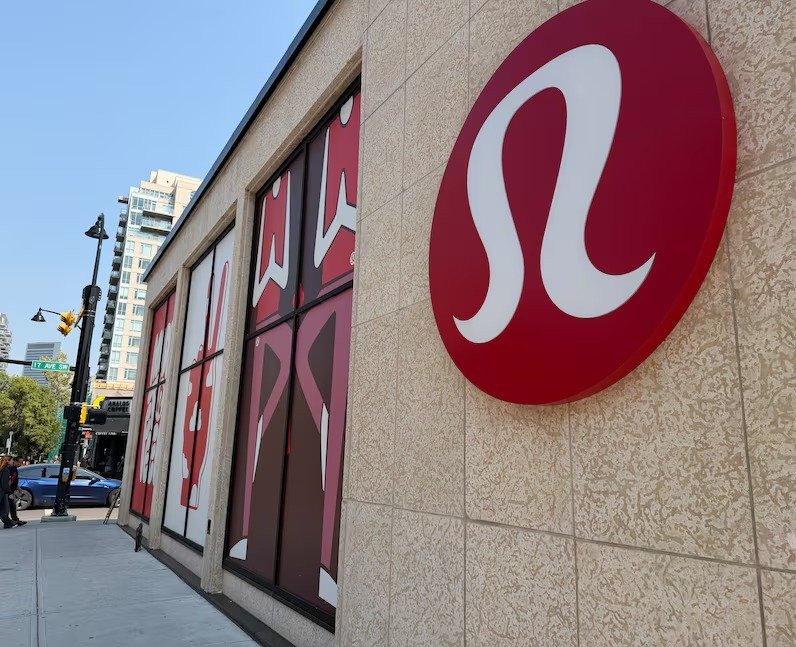
EDMONTON — Leading Canadian athletic wear brand Lululemon has officially stepped into the pre-owned apparel market, launching its “Like New” resale platform in Canada. The move allows customers to both trade in gently used Lululemon clothing and purchase second-hand items directly from the brand.
The initiative aims to extend the lifecycle of the company’s products while creating an additional revenue stream from used apparel. Vancouver-based Lululemon joins a growing list of premium Canadian outerwear brands—including Canada Goose and Arc’teryx—that are shifting focus toward the expanding resale sector.
To power the Canadian operations, Lululemon’s pre-owned inventory is cleaned, graded, and processed out of a 25,000-square-foot facility in Calgary operated by Tersus Solutions. The location marks Tersus Solutions’ first processing hub in Canada, with officials reporting a daily processing capacity of approximately 1,000 to 1,500 garments.
The facility utilizes advanced liquid carbon dioxide cleaning technology, which eliminates the need for water during the sanitization process. Garments undergo detailed inspections, necessary repairs, and quality-based grading before being listed for resale.
Peter Whitcomb, CEO of Tersus Solutions, noted that branded resale is proving to be a lucrative business model for retailers, primarily by converting returned or damaged items—traditionally viewed as losses—back into sellable inventory.
Under the “Like New” program, trade-in customers receive either 70% of the item’s resale value in cash or 90% in store credit, while buyers gain access to branded apparel at discounted price points.
Retail industry experts highlight that second-hand shopping has officially moved into the Canadian mainstream. A study published in August 2025 by retail consultancy DIG360 and the Angus Reid Institute revealed that 77% of Canadians had purchased at least one pre-owned item over the previous 12 months.
Analysts believe direct brand participation in resale helps attract new demographics by offering accessible price tiers while simultaneously curbing textile waste by extending garment lifespans. Victoria-based sustainable apparel brand Anian, which launched its own resale system in 2021, reported that its initiative has diverted nearly 1,630 kilograms of textile waste from landfills.
Industry observers view the momentum in recommerce as a reflection of changing consumer habits—driven by budget-conscious shopping and a growing preference for sustainable consumption. The entry of major global brands signals a broader acceptance and formalization of the second-hand garment economy.