VICTORIA: In a strategic bid to address skyrocketing electricity requirements, the British Columbia provincial government has announced plans to explore the feasibility of constructing two massive new hydroelectric dams. The decision comes on the heels of the newly completed, multi-billion-dollar ‘Site C’ megaproject, which faced intense public opposition and significant cost overruns before its final execution.
Energy Minister Adrian Dix unveiled the preliminary proposal on Monday, citing projections that the province’s power demand will surge by 20% by 2030 and double by 50% by 2050. Driven by population growth, extensive electrification, and a dramatic expansion in regional economic activity—particularly in the mining and liquefied natural gas (LNG) sectors—the government stresses that large hydro projects are vital to secure “firm power” capable of backing up intermittent renewable resources like wind and solar.
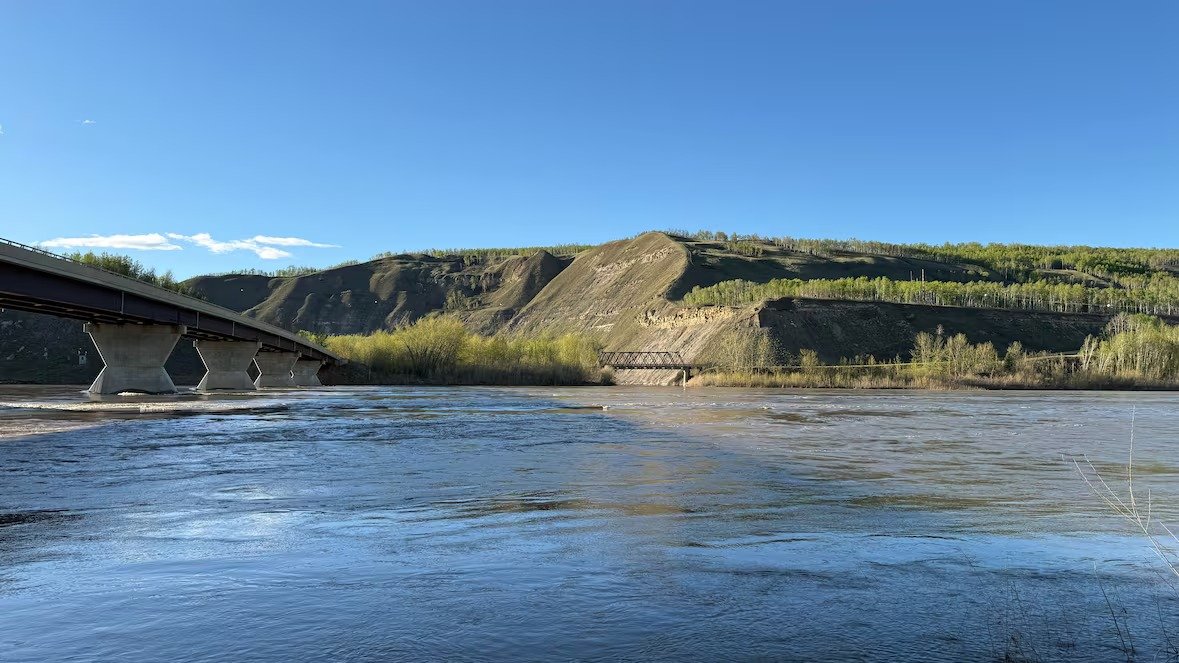
As part of this renewed long-term vision, the provincial administration is re-examining the long-shelved ‘Site E’ dam project. Initially proposed in 1958 along with four other Peace River locations, Site E would be situated at the confluence of the Peace and Alces rivers. The planned station is projected to have a generating capacity of up to 750 megawatts.
The Peace River system currently hosts three operational assets: the W.A.C. Bennett Dam (1968), the Peace Canyon Dam (1980), and the recently finalized 1,230-megawatt Site C project, which was officially renamed the ‘John Horgan Dam’ earlier this year in memory of the late former Premier. While the John Horgan Dam initially carried an estimated cost of $8.8 billion, its total budget ballooned to $16 billion upon completion.
In addition to Site E, the government is considering an even larger 900-megawatt development on the Homathko River near Bute Inlet, located northeast of Powell River.
However, moving forward with technical assessments presents an immediate legal hurdle. Both the proposed Site E and the Bute Inlet configurations are currently strictly prohibited under the province’s ‘Clean Energy Act.’ To resolve this impasse, Minister Dix announced that the government will introduce legislative amendments to the Act this fall to grant legal permission exclusively for technical and environmental reviews.
The minister explicitly clarified that this legislative step does not represent a final green light for construction, but is strictly a mechanism to gather deep empirical data before making well-informed final determinations. Recognizing the historical tensions surrounding such massive infrastructure developments, the provincial government has pledged to launch far-reaching and transparent consultations with local communities and affected First Nations stakeholders in the coming months.