TORONTO: Environment Canada has indicated that some areas in Northern Ontario may experience temporary relief from the thick wildfire smoke over the coming hours. However, officials warned that poor air quality and heavy haze are highly likely to persist across several regions through the weekend, urging residents to remain cautious.
The intense smoke from hundreds of active blazes has severely deteriorated air quality in numerous communities over the past few days. Health authorities have advised the public, particularly vulnerable groups, to follow safety protocols and limit outdoor activities as the risk of respiratory discomfort remains high.
The ongoing crisis has deeply affected remote areas in Northern Ontario, particularly Indigenous communities. Among the hardest-hit is the Collins First Nation, located north of Thunder Bay, where fast-moving flames have caused severe damage, forcing residents to flee. In response to the escalating situation, the Ontario provincial government, alongside the Assembly of First Nations, has urgently appealed to the federal government for additional emergency funding and resources.
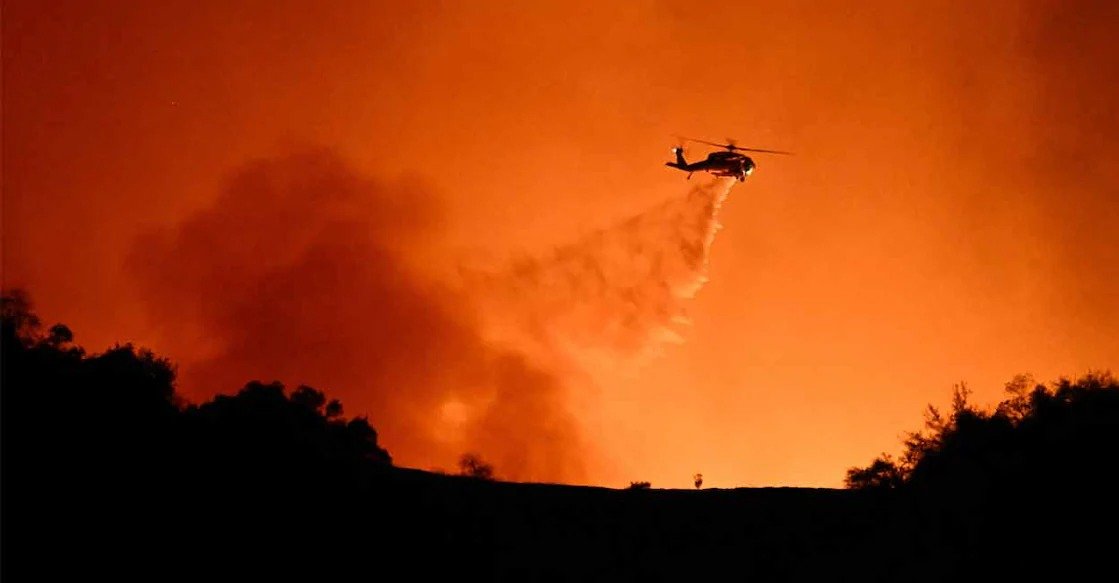
To bolster firefighting efforts on the ground, emergency personnel and water bombers have been deployed from other provinces, including Alberta, to support local crews in containing the fast-spreading blazes.
According to the latest official figures, there are 136 active wildfires in Northwestern Ontario, with 63 of them officially classified as burning out of control. Meanwhile, the Northeastern region is currently battling 44 active forest fires.
Prime Minister Mark Carney is actively reviewing the situation in coordination with Ontario provincial authorities, reaffirming that the federal government stands fully prepared to provide any necessary emergency assistance. Officials noted that changing wind directions and weather patterns over the next few days will remain the key factors influencing both the spread of the wildfires and the movement of the smoke.