
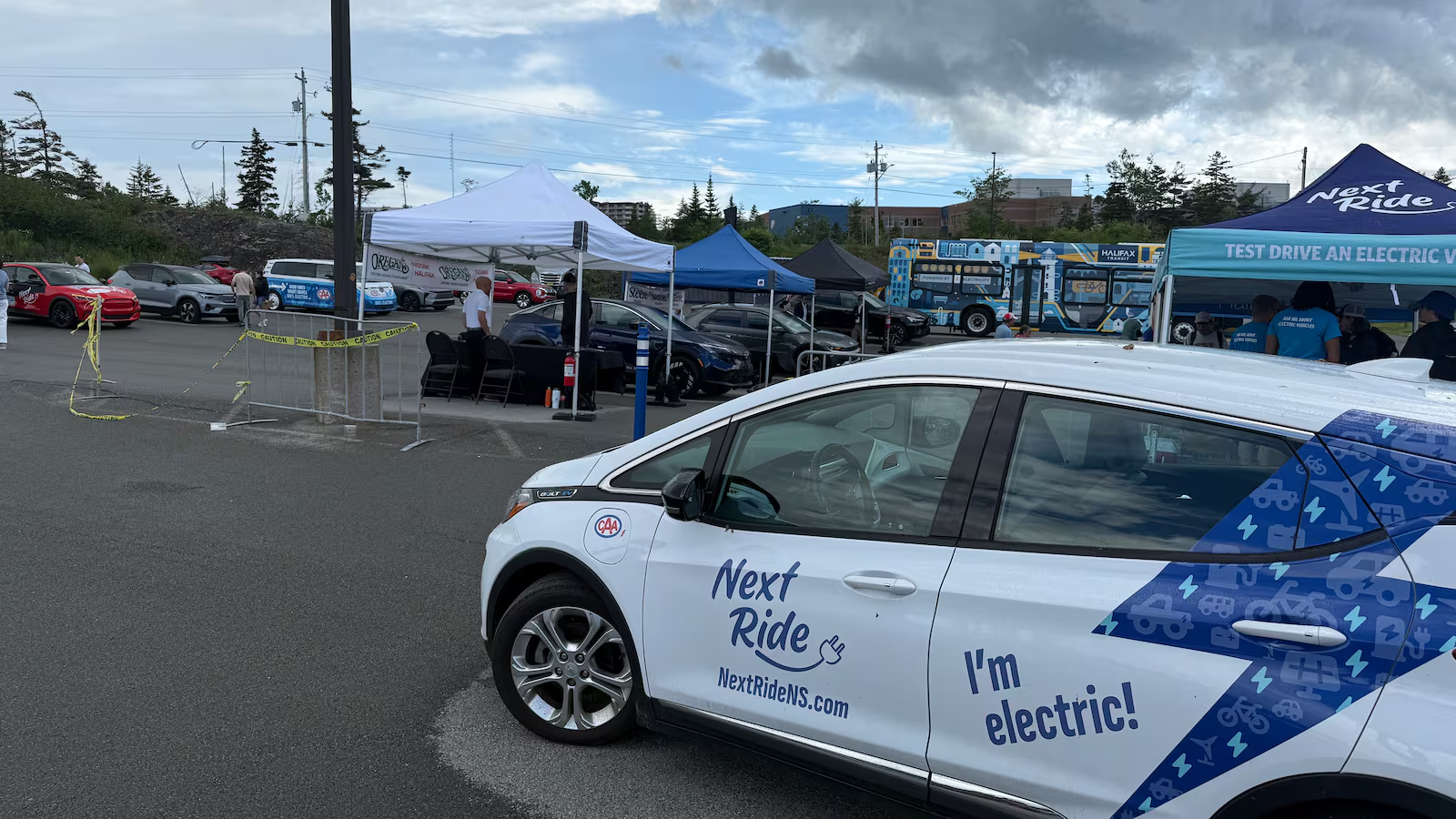
HALIFAX – The parking lot of the Canada Games Centre in Halifax transformed into a hub for sustainable transportation this weekend as it hosted “Halifax Electric Avenue,” a public event dedicated to showcasing electric vehicles (EVs) and offering attendees the chance to test drive various models. Funded by the provincial government and organized by the Clean Foundation, the initiative aims to educate consumers and demystify the transition to electric mobility.
According to Colin Robar, the transportation manager for the Clean Foundation, the event provides a low-pressure environment for individuals who are curious about the technology but are not yet ready to engage with a traditional car dealership. By gathering vehicles from ten different manufacturers in one place, organizers hope to help the public evaluate how an electric vehicle might realistically fit into their daily lives and personal budgets.
Affordability and fluctuating fuel costs emerged as primary drivers for many attendees looking to pivot away from conventional gasoline vehicles. Robar noted that entry-level EVs currently start around $40,000, and when paired with a $5,000 federal rebate for qualifying models, pricing has remained relatively stable despite widespread inflation. For local residents like Chad Stimson, who currently drives a plug-in hybrid, the long-term financial advantages—such as bypassing volatile gas prices and eliminating routine oil changes—have already proven to outweigh the initial purchase premium.
Despite the growing financial incentive, “range anxiety” remains a significant hurdle for prospective buyers. Attendee Khaled Alomari expressed apprehension about making the switch, noting that a base model he test-drove offered a maximum range of roughly 390 kilometers, which he felt could be restrictive on extended road trips. However, like many participants, Alomari noted he was highly impressed by the modern aesthetics and quiet cabin performance of the vehicles, adding that he would readily convert if the final math made complete financial sense.
Addressing infrastructure concerns, Robar emphasized that Nova Scotia’s charging network has reached a highly reliable threshold, ensuring drivers are never more than 150 kilometers away from a station anywhere in the province. He clarified that approximately 90 percent of EV charging occurs overnight at home. Furthermore, Robar pointed out that the 20-minute charging times typical of modern fast-chargers on long trips often mirror the time drivers naturally spend waiting for coffee or using rest facilities during a standard highway pit stop.