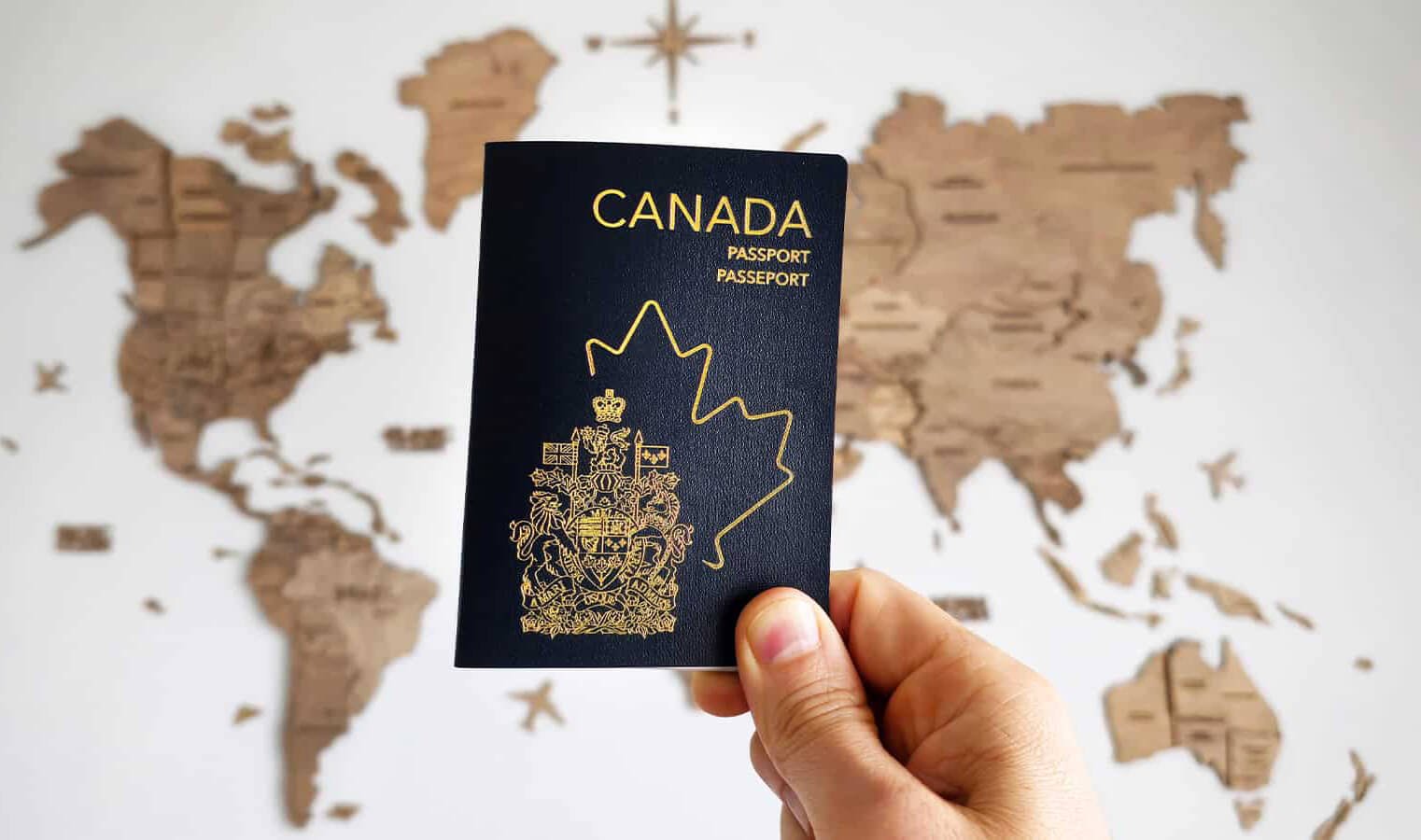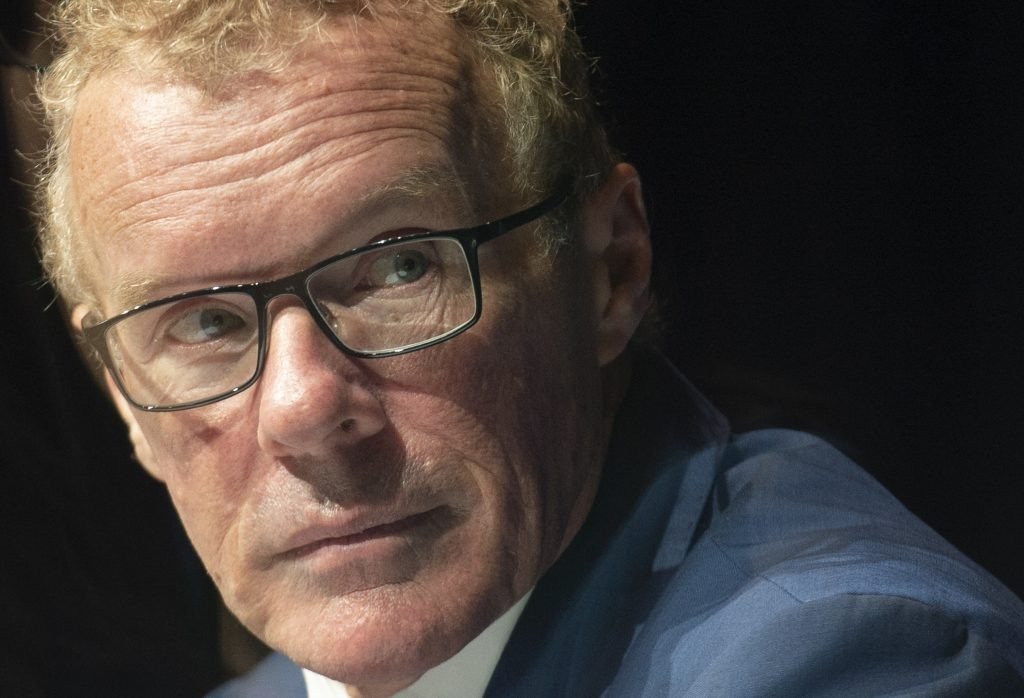
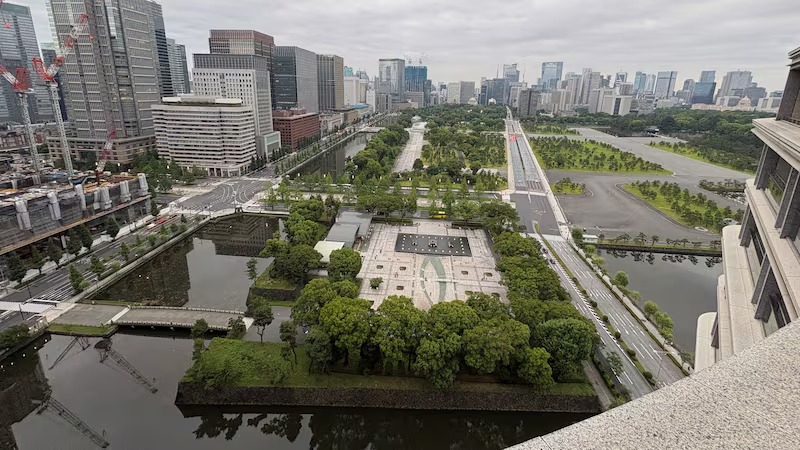
TOKYO – A record-setting number of Canadian executives have arrived in Tokyo this week to participate in the largest Team Canada trade mission to the Indo-Pacific region. Nearly 300 delegates representing 175 Canadian companies are gathering at the Sheraton Miyako hotel in downtown Tokyo with a primary goal: to network with Japanese executives and forge strategic partnerships. To help pave the way, three of Prime Minister Mark Carney’s top ministers—covering International Trade, Industry, and Defence—have been dispatched to Japan. However, analysts warn that these potential economic opportunities could be overshadowed by rising concerns regarding Canada’s recent trade alignments with Japan’s biggest regional competitor, China.
The diplomatic friction stems from a January agreement between Prime Minister Carney and Chinese President Xi Jinping, which capped Chinese EV entries into Canada at 49,000 units this year in exchange for lower Chinese tariffs on Canadian agricultural products like canola and seafood. Because the flood of cheap Chinese EVs across Asia has significantly impacted the bottom lines of Japanese automakers, this tariff removal is raising serious alarms. Vina Nadjibulla, Vice-President of the Asia Pacific Foundation, pointed out that Japan remains Canada’s fifth-largest trading partner—with over $35 billion in bilateral trade last year—and its third-biggest investor. She warned that Canada cannot jeopardize its democratic and strategic alliance with G7 partner Japan to pursue diversification with China, adding that Industry Minister Melanie Joly is expected to face tough questions regarding potential future EV concessions to Beijing when the agreement comes up for renegotiation.
Beyond regional competition, the future of Japanese automotive investment in Canada is heavily tied to how Ottawa navigates the upcoming review of the Canada-U.S.-Mexico Agreement (CUSMA). Goldy Hyder, President of the Business Council of Canada, stated that Japan has made it clear that continued manufacturing investments depend on Canada maintaining preferential access to the broader North American market. While the automotive sector faces these looming policy clouds, International Trade Minister Maninder Sidhu is scheduled to hold critical meetings with automotive giants Toyota and Honda later this week to stabilize relations.
In contrast to the hesitations in the auto industry, there is immense optimism surrounding the expansion of Canadian military and defense technology across the Pacific. Spurred by China’s military modernization and ongoing threats toward Taiwan, Japan’s cabinet approved a record defense budget of over US$66 billion for the 2026 fiscal year. Facing a complex security environment with China to the south, North Korea to the west, and Russia to the north, Tokyo is actively seeking to shore up its defense industrial base with trusted allies. Analysts note that unlike commercial trade, defense procurement rises above the geopolitical complications of CUSMA tariffs, as capabilities are built purely around threat perceptions.
Reflecting this strategic shift, more than 40 of the 175 participating Canadian companies belong to the defense and security sectors, specializing in advanced fields like drones, underwater surveillance, satellite technology, artificial intelligence, and cyber defense. Highlighting the security focus of the trip, Defence Minister David McGuinty is scheduled to tour the Yokosuka Naval Base—the principal operational port for the Japan Maritime Self-Defense Force—and meet directly with his Japanese counterpart. With multiple memorandums of understanding expected to be signed across defense, clean energy, forestry, and technology sectors, the historic trade mission will run through Friday.