WASHINGTON/TEHRAN — In a potential turning point for the months-long conflict in the Middle East, the Iranian government has begun reviewing a 14-point peace proposal submitted by the United States. The diplomatic movement gained momentum following optimistic remarks from U.S. President Donald Trump, who predicted that the war with Iran could end “very quickly.” The White House’s “memorandum of understanding” reportedly outlines a framework to halt Iran’s uranium enrichment in exchange for the lifting of crippling economic sanctions and the reopening of the Strait of Hormuz—the world’s most critical oil transit artery.
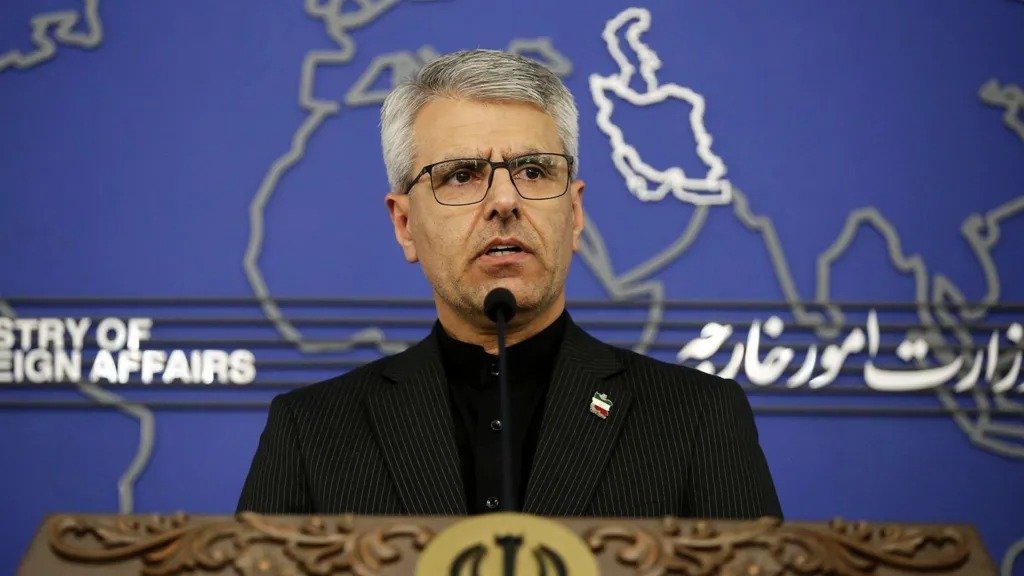
The proposal was reportedly delivered to Tehran via Pakistani intermediaries, who have played a pivotal role as a diplomatic bridge between the two nations since direct communication was severed. The Iranian Foreign Ministry confirmed that it is currently evaluating the terms and will issue a formal response through the same channel. While the proposal focuses on maritime security and nuclear constraints, it aims to stabilize a global economy that has been reeling from skyrocketing energy prices since hostilities escalated in early 2026.
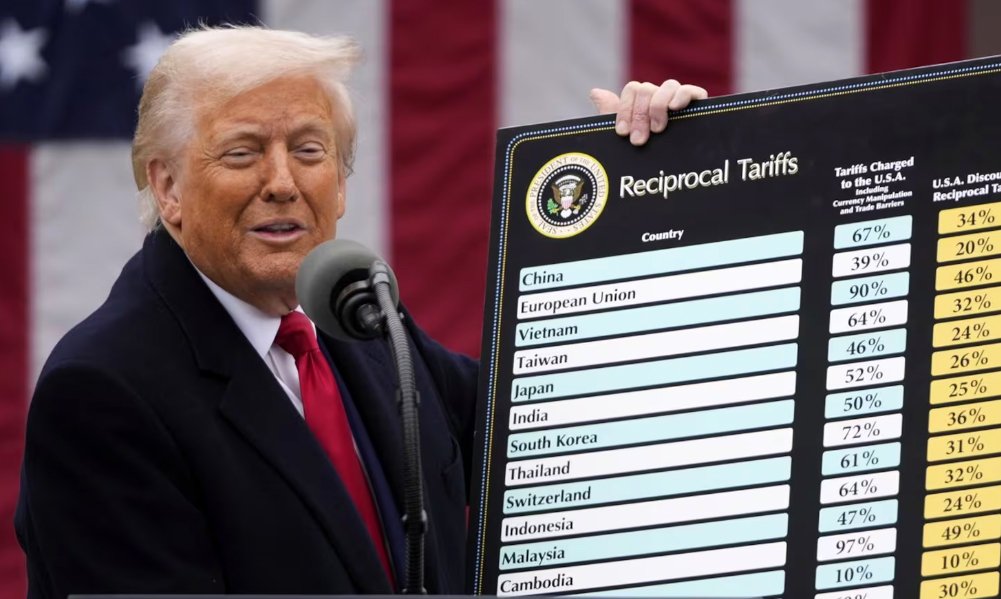
Speaking at a campaign event in Georgia, President Trump expressed confidence that a deal is within reach, stating that the world is united in the goal of preventing Iran from obtaining a nuclear weapon. He noted that the recent surge in oil prices is a temporary burden for Americans that would be resolved once the Strait of Hormuz is “open, free, and clear.” However, the President balanced his optimism with a stern warning, indicating that the U.S. is prepared to intensify military action if the proposal is rejected.
Within Iran, the reaction has been mixed. Ebrahim Rezaei, a spokesperson for the Iranian Parliamentary Committee, criticized the U.S. overture, characterizing it as a sign of American exhaustion. In a post on X (formerly Twitter), Rezaei asserted that Iran cannot be “conquered through negotiations” and maintained that the Iranian military remains fully prepared to retaliate against any further aggression. Despite these hardline domestic statements, the fact that Tehran is formally reviewing the 15-to-20-day ceasefire framework suggests a significant opening for diplomacy.
The conflict, which intensified in February 2026 with strikes involving the U.S. and Israel, led to a functional blockade of the Strait of Hormuz, causing the largest disruption to global energy supplies since the 1970s. While a temporary truce has been in place since April, sporadic skirmishes have continued. Israeli Prime Minister Benjamin Netanyahu has signaled full support for the Trump administration’s latest diplomatic push, which many hope will lead to a permanent resolution of the crisis.