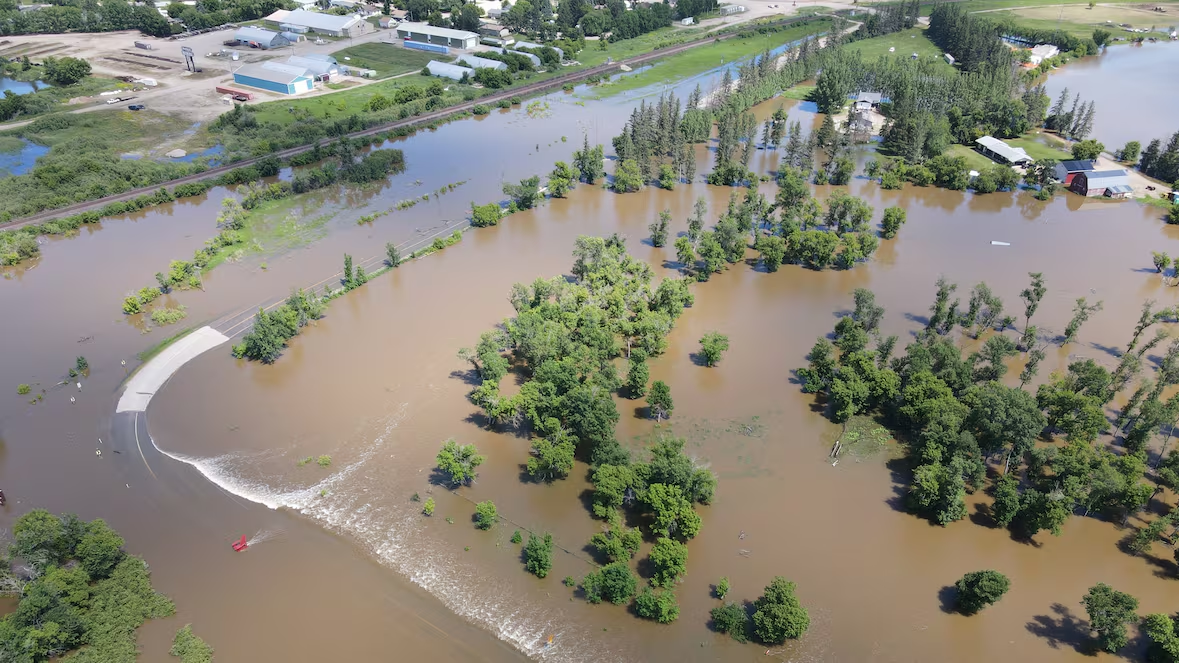
WINNIPEG — In a major shift toward rapid-response disaster relief, Manitoba officials announced a massive financial aid package on Friday to support western regions of the province devastated by recent widespread flooding. Premier Wab Kinew and Emergency Management Organization (EMO) Director Christine Stevens confirmed that emergency funds are being fast-tracked directly to affected residents, bypassing traditional administrative delays. As of Friday morning, a staggering 48 local states of emergency remained in effect across the province following three distinct destructive storm windows between early June and July.
To address the immediate needs of the 1,800 Manitobans who have already begun the application process for disaster financial assistance, the province is rushing out $500 advance payments. EMO and finance department personnel are working through the weekend to ensure these checks are mailed as quickly as possible. In addition to this immediate cash injection, the province is rolling out the Manitoba Flood Recovery Program. This one-time grant program specifically targets homeowners and tenants in the hardest-hit areas, such as the Parkland region, who either completely lacked flood insurance or whose coverage was insufficient. There is no predetermined cap on individual payouts, as funding amounts will be determined strictly by the severity of the damage, covering everything from immediate cleanup costs to major structural home repairs.
Premier Kinew urged affected residents to immediately book contractors, order building materials, and begin home restorations, advising them to carefully document the entire cleanup and repair process with photographs to support their ongoing aid applications. To further amplify relief efforts, the province has partnered with the Canadian Red Cross to launch a charitable donation drive. The Manitoba government has set aside 15 million dollars to match private donations dollar-for-dollar, with the Red Cross fully administering the resulting assistance program to aid residents who fall outside standard government relief brackets. Red Cross teams are already deploying to the Swan Valley region this week to provide hands-on help with personal recovery planning, budgeting, and mental health support.
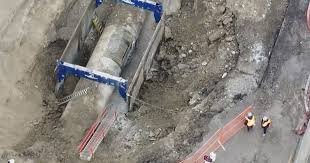
Beyond individual grants, the province is dispatching 7.8 million dollars in advance funding to local communities next week, alongside an initial 15 million dollars earmarked exclusively for infrastructure and regional recovery. Logistics teams are working rapidly to rebuild the transportation network, with 50 percent of the approximately 80 damaged provincial roads and highways already repaired. Ground operations are receiving a massive boost from Team Rubicon, a military veteran-led humanitarian organization. Five rotating teams of 25 veterans will be conducting door-to-door welfare checks in the Swan Valley region through August 19, managing an influx of relief requests alongside the Office of the Fire Commissioner, Manitoba Hydro, and the Canadian Armed Forces.
Premier Kinew emphasized that the persistent threat of annual wildfires, severe storms, and seasonal flooding demands a fundamental rewiring of how Canadian governments deliver emergency aid. Historically, the Disaster Financial Assistance program required local municipalities or First Nations to act as the primary financial first responders, with provincial and federal cost-sharing reimbursements arriving many months down the line. Kinew stated that advancing millions of dollars directly to citizens and municipalities during the active crisis marks a permanent policy shift—one he intends to formally pitch to Canada’s other premiers and the Prime Minister at their next intergovernmental summit, noting that citizen expectations have rightfully changed to demand assistance as soon as possible.