
OTTAWA — As U.S. President Donald Trump escalates criticism over Canadian wildfire smoke drifting into American airspace, Canadian fire management experts have emphasized that large-scale forest fires cannot be entirely eliminated. Instead, long-term preventative and mitigation strategies are crucial to reducing their impact and intensity.
President Trump recently accused Canada of failing to properly manage its forests, claiming the drifting smoke pollutes U.S. air and warning that additional tariffs could be imposed on Canadian goods to offset the costs. However, climate scientists and fire research experts point out that climate change has significantly heightened the frequency and severity of blazes, making absolute control impossible over millions of hectares of remote forest land.
Crisis Scale and Current Fire Statistics
Data from the Canadian Wildland Fire Information System reveals that over 900 active wildfires were burning across Canada by early this week. So far in 2026, more than 3.7 million hectares of forest land have been scorched. The fires have triggered widespread evacuations and structural damage, particularly impacting several First Nations communities in northwestern Ontario.
Key Long-Term Prevention Recommendations
Experts advocate for a multi-layered approach to land management to protect vulnerable communities:
- FireSmart Programs: Encouraging homeowners and municipalities to construct fire-resistant structures, safely store combustible materials, and landscape using fire-retardant vegetation.
- Fireguards and Buffer Zones: Creating physical clearings between dense forest borders and residential settlements to slow down incoming fire fronts.
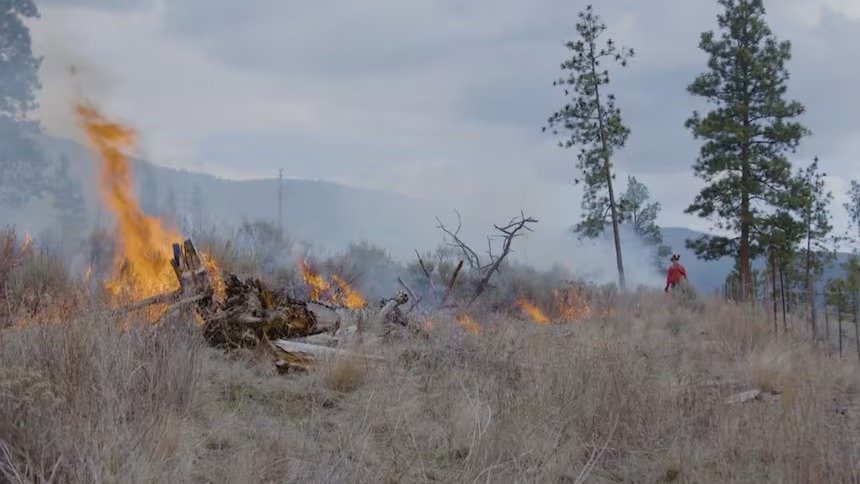
- Indigenous Cultural Burning: Utilizing traditional, controlled burning practices practiced by First Nations communities to clear underbrush and reduce volatile fuel buildup before the peak dry season.