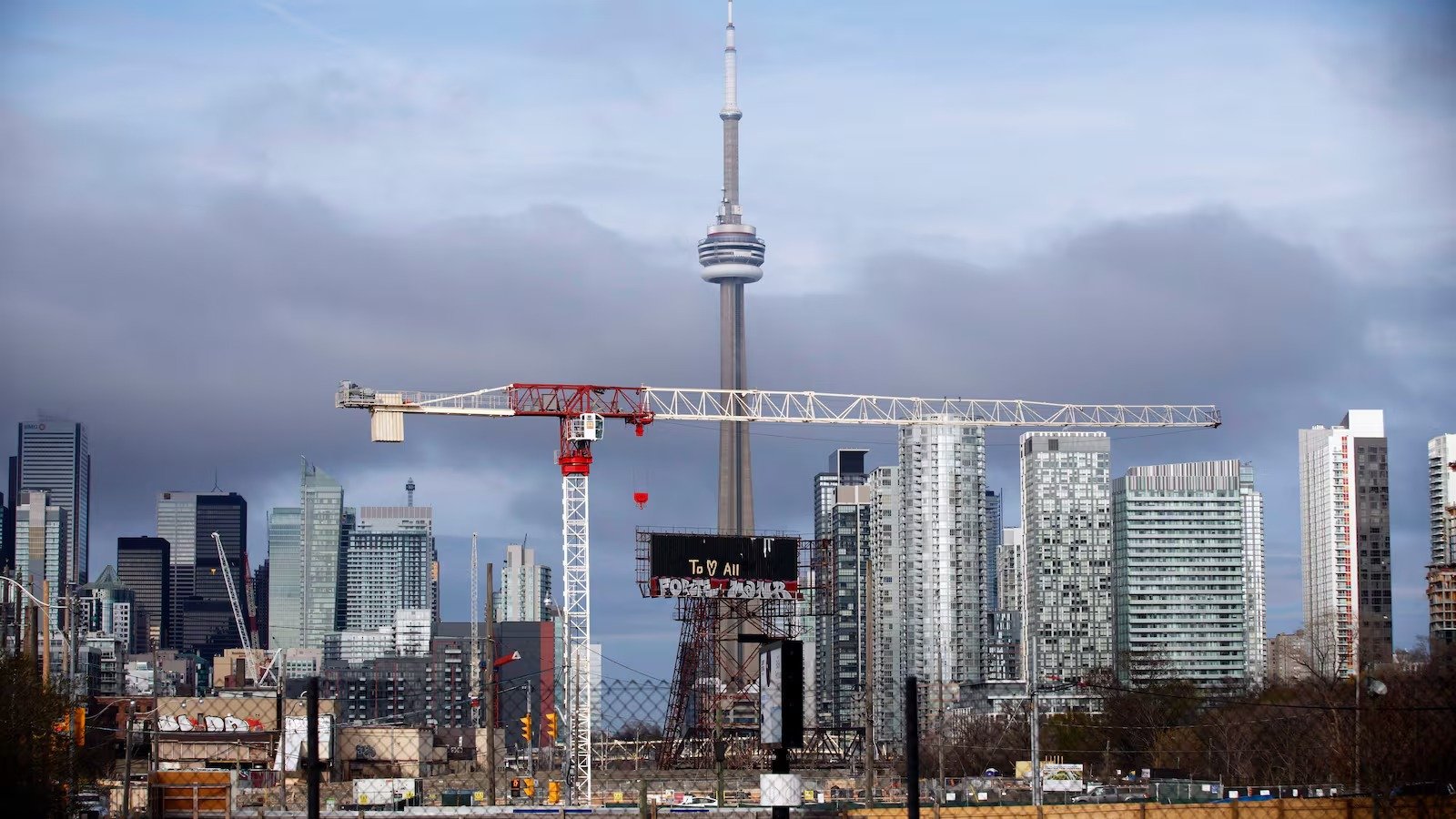
TORONTO – Bulk purchases by large investment groups are playing a critical role in driving the recovery of new condominium sales across the Greater Toronto and Hamilton Area (GTHA), according to a new report by real estate research firm Urbanation.
In the third quarter of 2026 (Q3), sales of new condo apartments in the GTHA doubled year-over-year to 760 units. The report attributes this surge primarily to HST tax relief and aggressive bulk buying by institutional investors. Investment groups acquired 339 units through bulk transactions in Q3, accounting for 45 per cent of all new condo sales. Consequently, sales in completed buildings reached a record high of 648 units, representing an unprecedented 85 per cent share of total new condo sales.
John Pasalis, president of Move Smartly Realty Inc., noted that builders are currently holding thousands of completed, unsold units. Many buyers who signed pre-construction contracts five years ago are now unable to close their deals due to high interest rates, stricter mortgage qualification rules, and falling property values. Unable to secure financing or cover shortfalls, many buyers defaulted, leaving builders with heavily bloated inventories.
To escape the financial burden of carrying empty units, builders are offering steep price discounts. With end-user homebuyer demand remaining sluggish, investment firms are stepping in to capitalize on these discounts. Investors are purchasing units in bulk to rent out, anticipating significant long-term capital gains when property values recover over the next five to ten years. Buyers range from small family offices acquiring 10 to 20 units to major firms like High Art Capital and Montreal-based Jesta Group, which are targeting thousands of properties.
Despite the temporary boost from bulk transactions, Urbanation president Shaun Hildebrand warned that the market remains historically weak, with Q3 sales still 78 per cent below the 10-year average for the quarter. Meanwhile, pre-construction sales fell for the 12th consecutive quarter. With pre-construction demand dormant and new housing starts at record lows, experts warn that the supply pipeline is drying up, setting the region up for a severe housing shortage by the end of the decade.