NORTH VANCOUVER — The Tsleil-Waututh Nation, a British Columbia First Nation, has launched a legal challenge against the Vancouver Fraser Port Authority’s plan to dredge Burrard Inlet. The community has filed for a judicial review to overturn the permits granted for the project, which aims to accommodate more heavily laden oil tankers under the Second Narrows bridge starting this September.
Community Concerns and Cultural Impacts
While acknowledging Canada’s commercial trade demands, leadership from the Tsleil-Waututh Nation stated that the approval process was rushed and failed to address critical environmental and safety issues. The nation emphasized that increased traffic from fully loaded tankers exacerbates the risks of oil spills, accelerated shoreline erosion, and disruptions to marine traffic patterns. Furthermore, they noted that the current cumulative impacts of regional shipping have already severely restricted community members from practicing their traditional way of life.
“Tsleil-Waututh has a sacred stewardship obligation, a responsibility to care for our lands, air and waters,” Chief Justin George said in a statement. “While we attempted to resolve these outstanding issues in good faith, our concerns were ignored, leaving us no choice but to go to court to protect our territory and interests.”
Project Scope and Economic Context
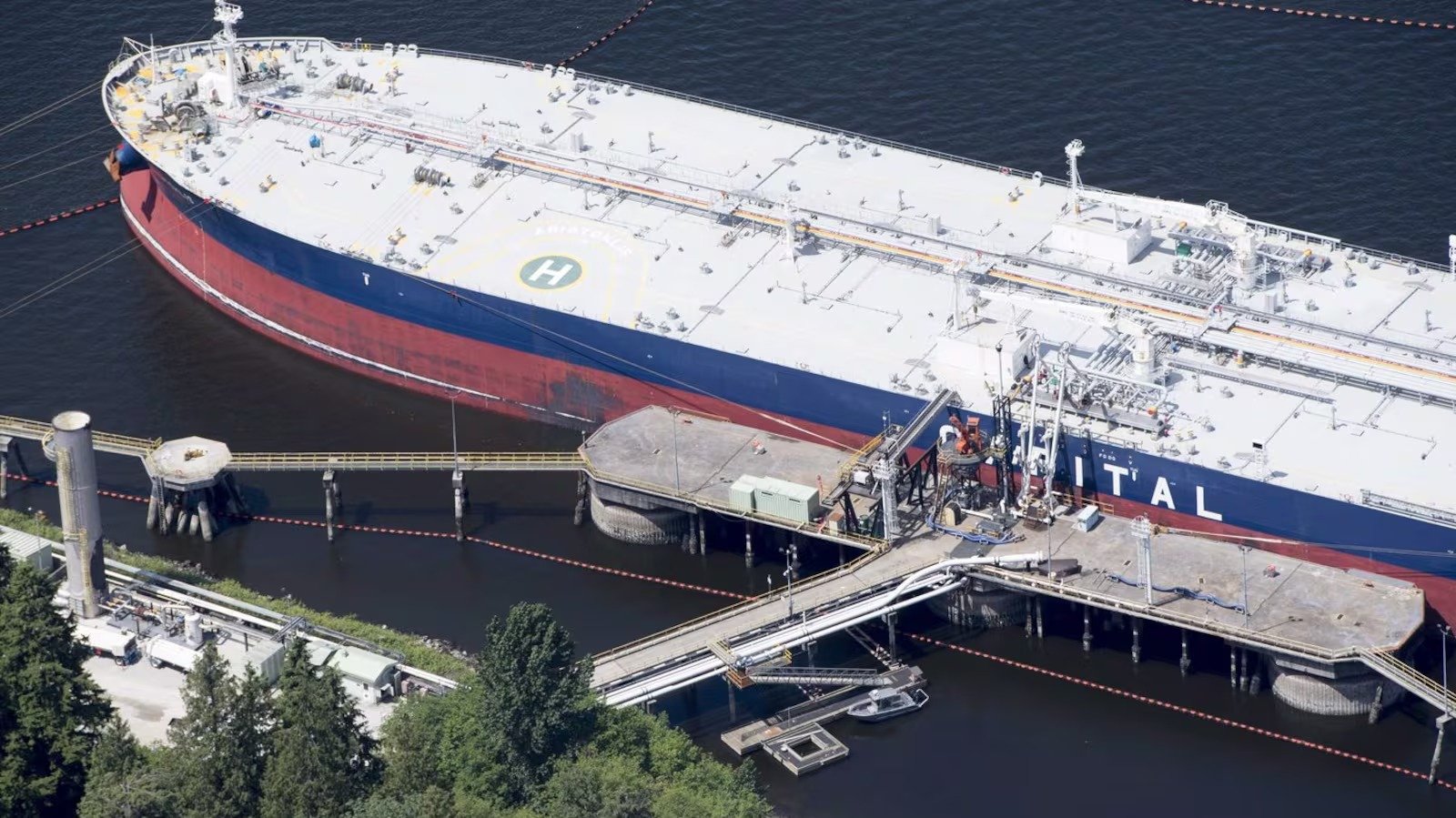
The Vancouver Fraser Port Authority received its final federal approvals in June, clearing the way for operations meant to support the expanded Trans Mountain (TMX) pipeline network, which began operating in May 2024. Currently, Aframax-class tankers loading at the Westridge Marine Terminal can only fill to roughly 80% capacity due to depth limitations in the inlet. The proposed dredging project intends to dig down to a maximum of six meters below the seafloor, removing approximately 25,000 cubic meters of material so these vessels can load more efficiently.
While the port authority stresses that the project will not introduce larger ships or increase the total number of the largest vessels traversing the area, proponents like B.C. Energy Minister Adrian Dix have backed the infrastructure upgrade, arguing it will lead to better port utilization and less overall traffic congestion. The initial concept was introduced by Prime Minister Mark Carney in the spring of 2025 as part of a broader federal push to improve access to overseas markets.