
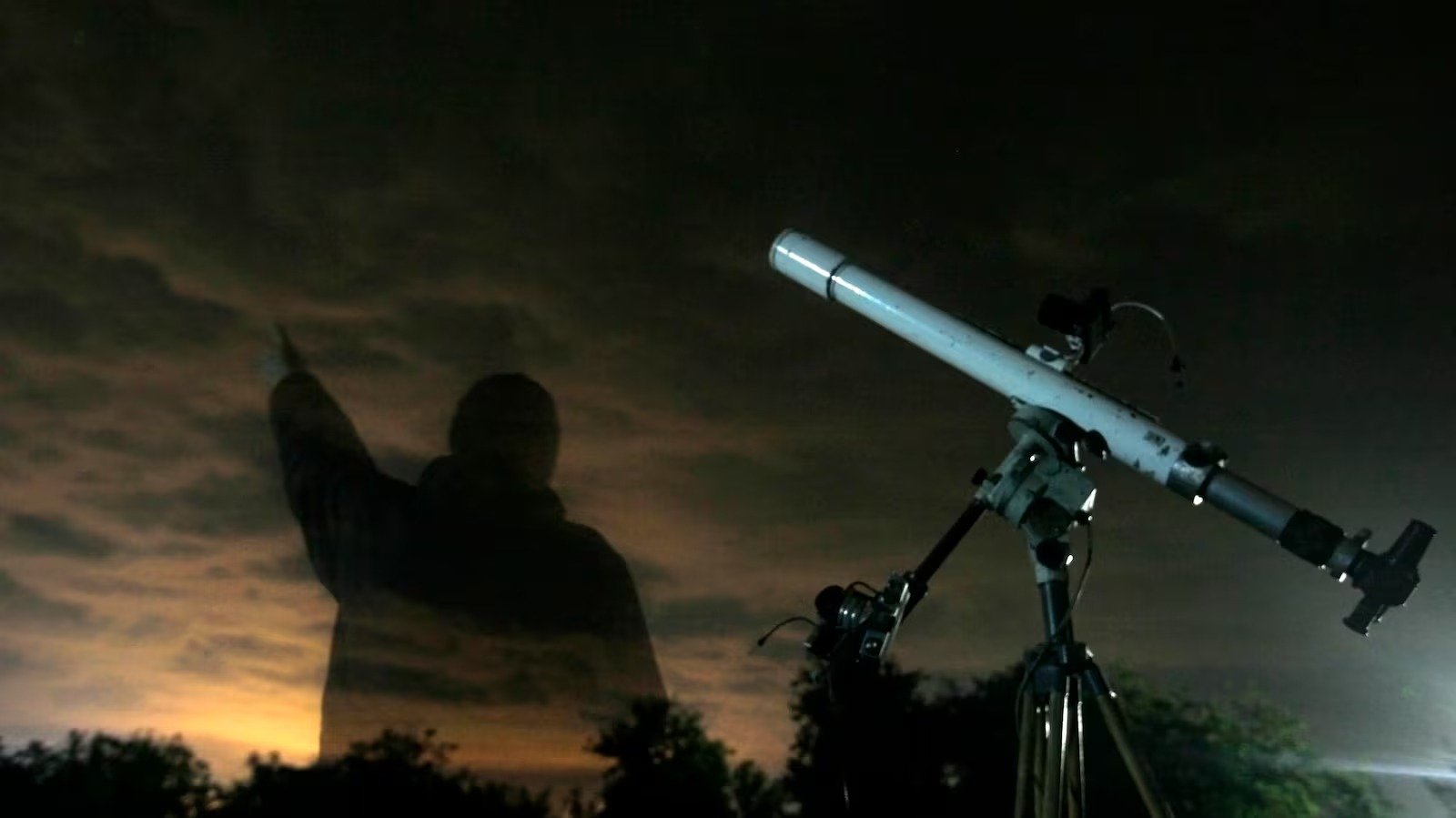
OTTAWA: The Orionid meteor shower is set to light up the Canadian skies, reaching its peak by Thursday morning. The annual celestial display is caused by debris left behind by Halley’s Comet. Although Halley’s Comet orbits Earth roughly once every 76 years and will not return until 2061, Earth passes through its sprawling debris trail every year, making the phenomenon visible.
Stargazers across the Northern and Southern Hemispheres will be able to witness the spectacle after midnight, provided the skies are clear and cloudless. According to the American Meteor Society, while the Orionids remain active for weeks before and after the peak, viewers can expect to see up to 20 meteors per hour overnight on Wednesday. Named because they appear to originate from the direction of the Orion constellation, these meteors streak through Earth’s atmosphere at a blazing speed of 66 kilometres per second, leaving glowing trails behind.
To get the best viewing experience, observers are advised to head away from city lights and light pollution, and no special equipment like telescopes is required. However, a bright waxing gibbous moon—about 76 per cent full—may dampen the view. Consequently, the hours between moonset and dawn offer the ideal viewing window.
Moonset times overnight vary by region: 2:16 a.m. in Halifax, 1:56 a.m. in Montreal, 2:24 a.m. in Toronto, 2:26 a.m. in Winnipeg, 2:34 a.m. in Calgary, and 2:16 a.m. in Vancouver. Following the Orionids, the next major meteor shower, known as the Southern Taurids, is expected to peak overnight between November 4 and 5.