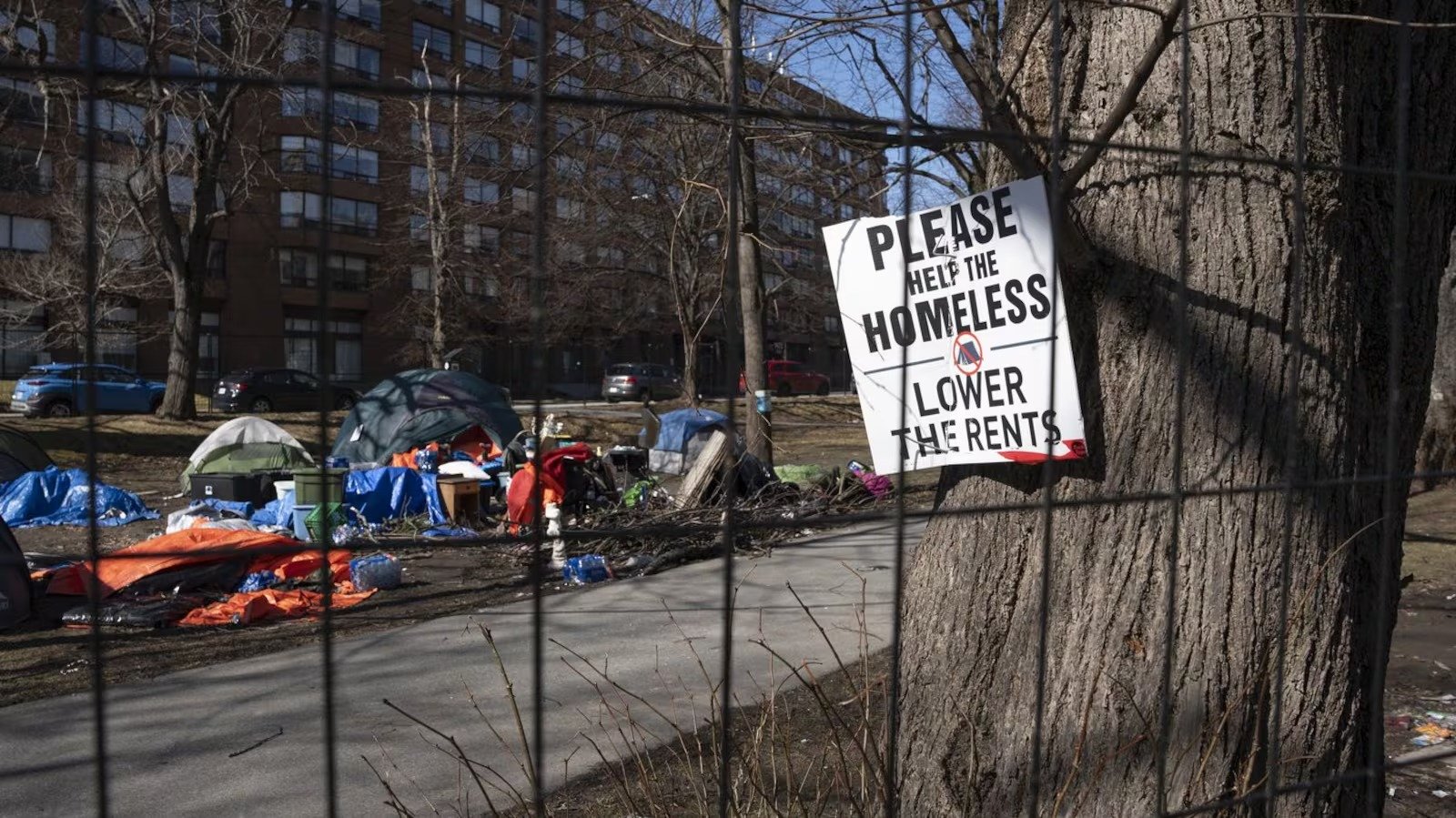
ATLANTIC — The Nova Scotia provincial government has introduced regulatory amendments to deny enhanced income assistance to unhoused individuals living in tents. The decision effectively circumvents an August 5 ruling by the Nova Scotia Court of Appeal, which had declared that homeless residents residing in tents were legally entitled to higher financial support.
The Court of Appeal’s landmark judgment stemmed from a case involving Bradley Lowe, an unhoused man who passed away in 2023. The court ruled that tents legally qualified as “accommodation,” making eligible individuals living in them entitled to enhanced social assistance rates.
However, according to an order-in-council issued by the provincial government on Tuesday, the wording in the regulations was revised to replace the term “accommodation” with “lives in a home”. Under the newly defined criteria, a “home” is strictly restricted to self-contained rented or owned residential properties, licensed lodging rooms, or designated supportive housing units.
Human rights advocates and legal experts strongly criticized the provincial administration’s move, warning that the harsh policy change will push unhoused individuals further into extreme poverty. In response, the Department of Opportunities and Social Development defended the amendment, stating that the updates aim to bring administrative clarity to the law while confirming that unhoused residents will remain eligible for standard assistance and alternative provincial support programs.