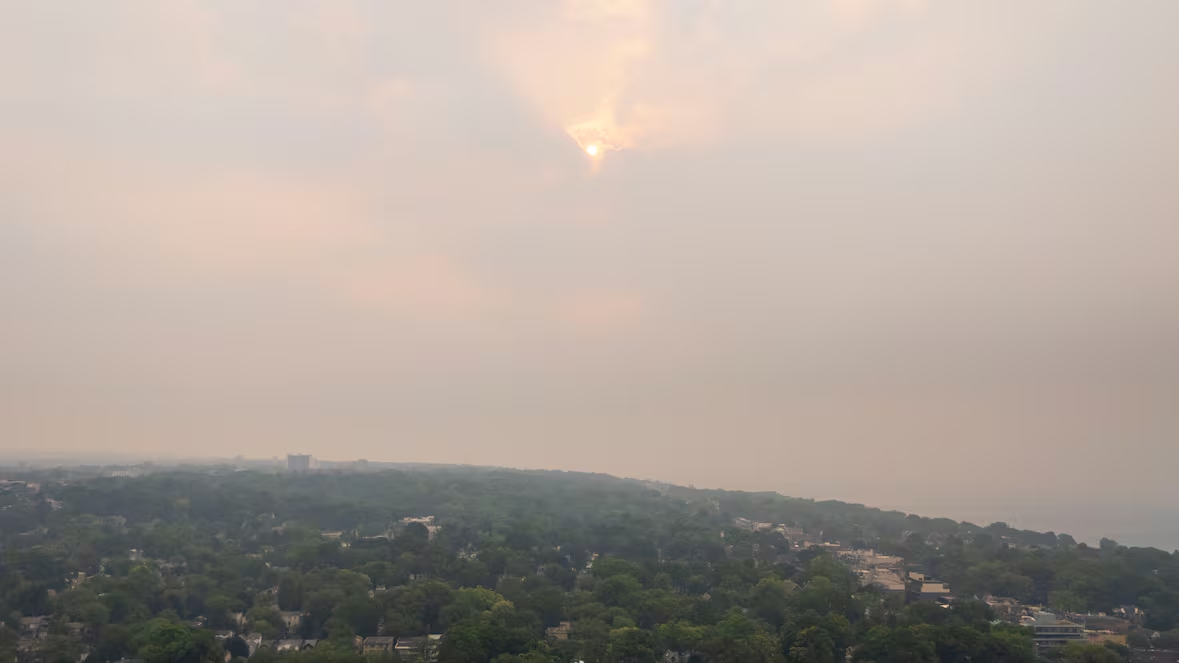
The Canadian city of Toronto is facing a severe health and environmental crisis as a grueling summer heatwave coincides with dangerous air pollution. Environment Canada has issued a yellow-level air quality alert for much of southern Ontario, warning that dense smoke drifting from active forest fires in northwestern Ontario has drastically reduced visibility and compromised breathable air. Meteorologists predict these hazardous conditions could linger until the end of the week.
According to a global live ranking by Swiss air quality technology company IQAir on Wednesday morning, Toronto ranked as the most polluted city in the world due to the high concentration of fine particulate matter. Environment Canada meteorologist Brian Owsiak noted that the spike in pollution values is directly tied to the wildfire smoke, adding that relief will likely only arrive with a favorable shift in wind direction over the weekend.
Rising Health Risks for Vulnerable Groups
Public health officials are urging residents to take immediate precautions. While common exposure to the smoke can cause eye, nose, and throat irritation, headaches, and mild coughing, more severe symptoms include chest pain and wheezing. Toronto Public Health has emphasized that individuals aged 65 and older, pregnant individuals, infants, outdoor workers, and those with pre-existing respiratory or chronic illnesses are at the highest risk.
Record-Breaking Temperatures Persist
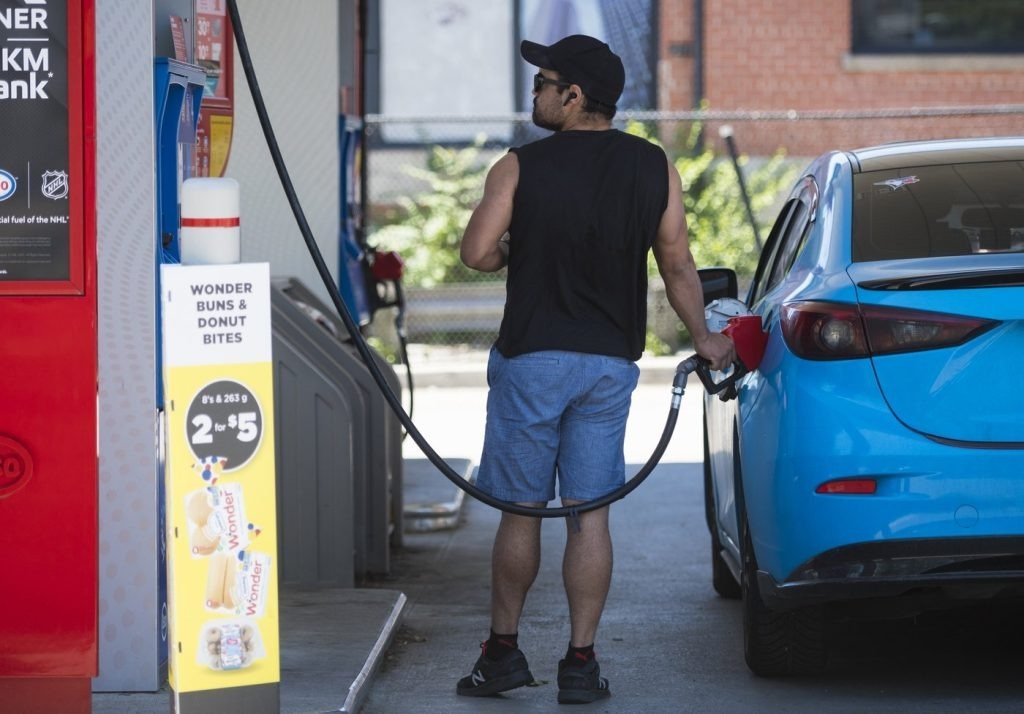
The air quality emergency is compounding a relentless heat wave that began early in the week. On Tuesday, temperatures at Pearson International Airport peaked at 36.2°C—nearly breaking a 1995 record—with humidity making it feel like the mid-40s. By mid-July, Toronto typically experiences about seven days above 30°C; however, Wednesday marked the city’s 13th day surpassing that threshold this year.
In response, city officials have opened more than 500 emergency cooling spaces, extended public pool hours until midnight, and added temporary shelter capacities for the unhoused population. Health authorities advise everyone to stay indoors during peak heat hours, keep blinds closed, wear loose clothing, and maintain constant hydration to prevent heat exhaustion and heat stroke.