
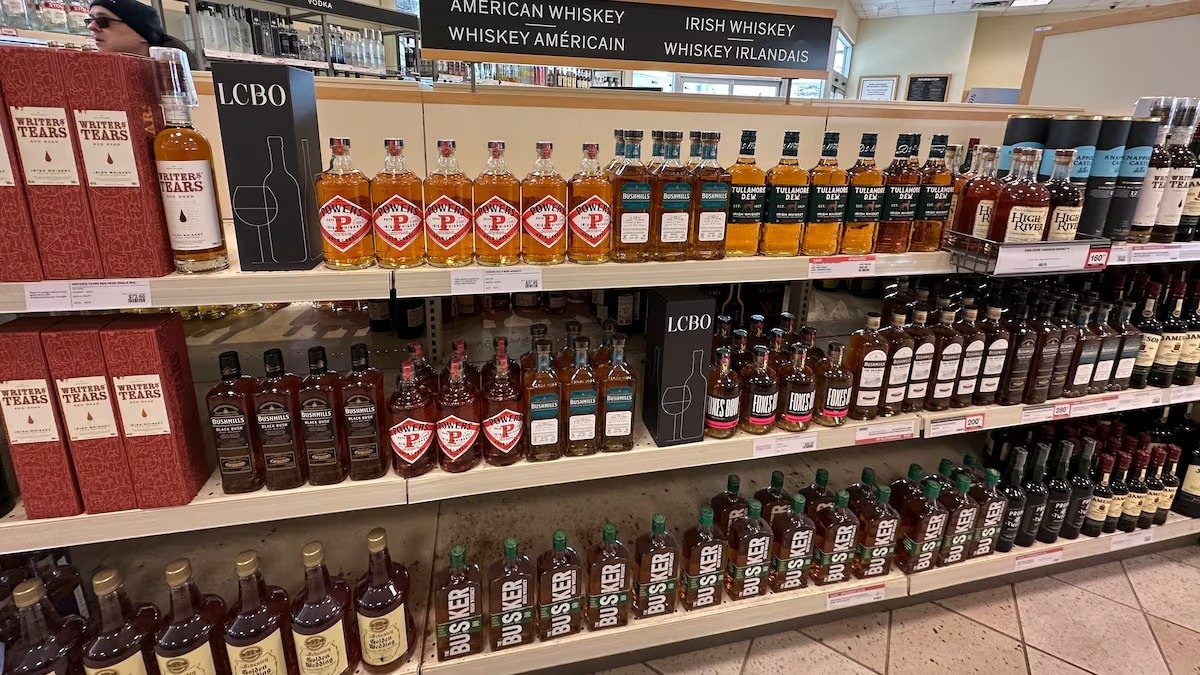
Prominent U.S. lawmakers are pushing back strongly against Canada’s ongoing boycott of American alcohol products, with California Senator Adam Schiff Warning that the ban is causing “devastating harm” to regional winegrowers.
In a recent post on social media platform X, the Democratic Senator highlighted the immense economic toll on California’s wine industry. Last month, Schiff sent an official letter to Quebec Premier Christine Fréchette, urging a reconsideration of the provincial boycott. He noted that cutting off American wine limits choices for Quebecois consumers while completely erasing a historical $434 million market. Schiff emphasized that the restrictions are unfairly punishing regional businesses and producers who have no influence over national trade policies.
However, Premier Fréchette’s office showed no signs of backing down. In a statement to CTV News, her office made it clear that Quebec will maintain these measures as long as the United States keeps its “unjustified tariffs” in place, framing the boycott as a necessary defense of Quebec’s economic interests.
Meanwhile, legislative pressure is mounting south of the border. New York Congresswoman Claudia Tenney announced the launch of the Combatting Attacks on our National Alcoholic Drinks by Allies—or CANADA—Act, aimed at investigating these trade practices. Despite this, Ontario Premier Doug Ford reiterated that his province “won’t back down” either.
Canadian Booze Sellers Thrive as U.S. Exports Plummet
While American producers suffer, local Canadian distillers and wineries are experiencing an unprecedented boom as a direct result of the March 2025 booze ban.
- Massive Sales Spikes: At Westcott Vineyards in Ontario’s Niagara region, sales through the LCBO (Liquor Control Board of Ontario) skyrocketed by 600%, forcing an immediate 30-acre expansion of their vineyards.
- Widespread Market Shift: The LCBO reported an overall 44% jump in Ontario VQA wine sales and an 18% increase across all Canadian alcohol categories. Local spirits are also surging; Oakville’s Maverick Distillery reported a 100% increase in vodka sales and a massive 300% surge in whiskey sales.
In stark contrast, the U.S. Wine Institute recorded a staggering 78% drop in wine exports to Canada between 2024 and 2025. Canada, which used to be the top export market for American wine (representing 36% of global exports in 2024), dropped to just 12% in 2025—inflicting a loss of over US$357 million in export value. Furthermore, data from Spirits Canada showed a 66.3% drop in U.S. spirit sales in Canada within just weeks of the provinces pulling products from shelves.
Trade Experts Warn of Provincial “Overstepping”
The retaliatory ban has sparked criticism from trade policy experts who believe Canadian provinces are overstepping their legal bounds. Meredith Lilly, a Carleton University professor and former advisor to Prime Minister Stephen Harper, pointed out that international trade negotiations fall strictly under federal jurisdiction, not provincial.
Lilly expressed hope that Ottawa is actively pushing to get American alcohol back on retail shelves, warning that the dispute has become deeply personal for U.S. officials, including United States Trade Representative Jamieson Greer. She noted that lifting the alcohol ban would be one of the easiest ways for Canada to steer the ongoing trade conversation in a more constructive direction.