
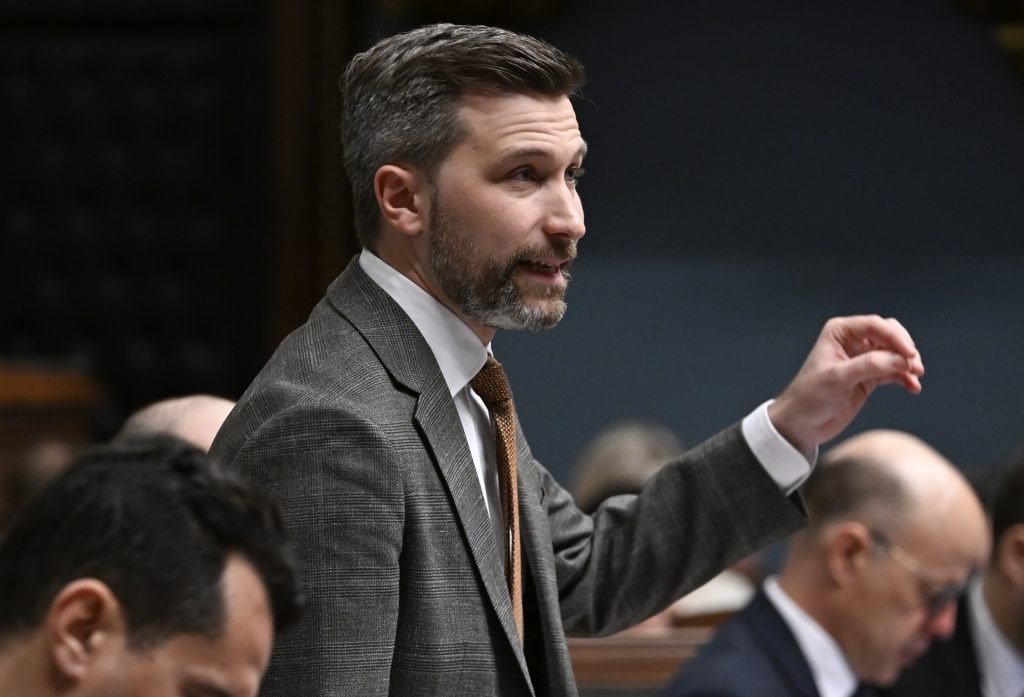
MONTREAL – Gabriel Nadeau-Dubois, a prominent leader within the Quebec opposition, has accused the ruling Coalition Avenir Québec (CAQ) government of stark political favoritism. Citing newly released figures obtained through access-to-information requests, Nadeau-Dubois revealed that the government is disproportionately allocating funds for school construction and renovations to its own party’s ridings.
The opposition pointed out that while the CAQ holds only 64% of the seats in the National Assembly, their ridings managed to capture an astonishing 75% of the total financial resources earmarked for school infrastructure development.
According to the opposition’s report, schools situated in ruling party ridings are generally in good condition, whereas institutions in opposition-held districts are being systematically neglected. Condemning the allocation as politically motivated bias with an eye on future elections, the opposition called for immediate reform. They demanded the implementation of transparent legislation ensuring that funding is granted based strictly on the factual, urgent structural needs of a school rather than its political geography.
In response, the Education Minister’s office flatly rejected the allegations of gerrymandering and favoritism. The Minister clarified that all infrastructure initiatives are approved strictly on objective student requirements and administrative metrics rather than riding boundaries.
However, independent local bodies are urging a more rigorous approach. The Quebec Trade Union highlighted that more than half of the province’s schools are currently in a state of severe disrepair. The union emphasized that the government needs to look past partisan politics and immediately establish a definitive, long-term blueprint to modernize the educational infrastructure for all students.
To learn more about the broader debate surrounding systemic resource inequities and ongoing structural shifts in the province’s educational framework, you can watch this report on Quebec’s education system challenges which details how these structural policies impact students directly.