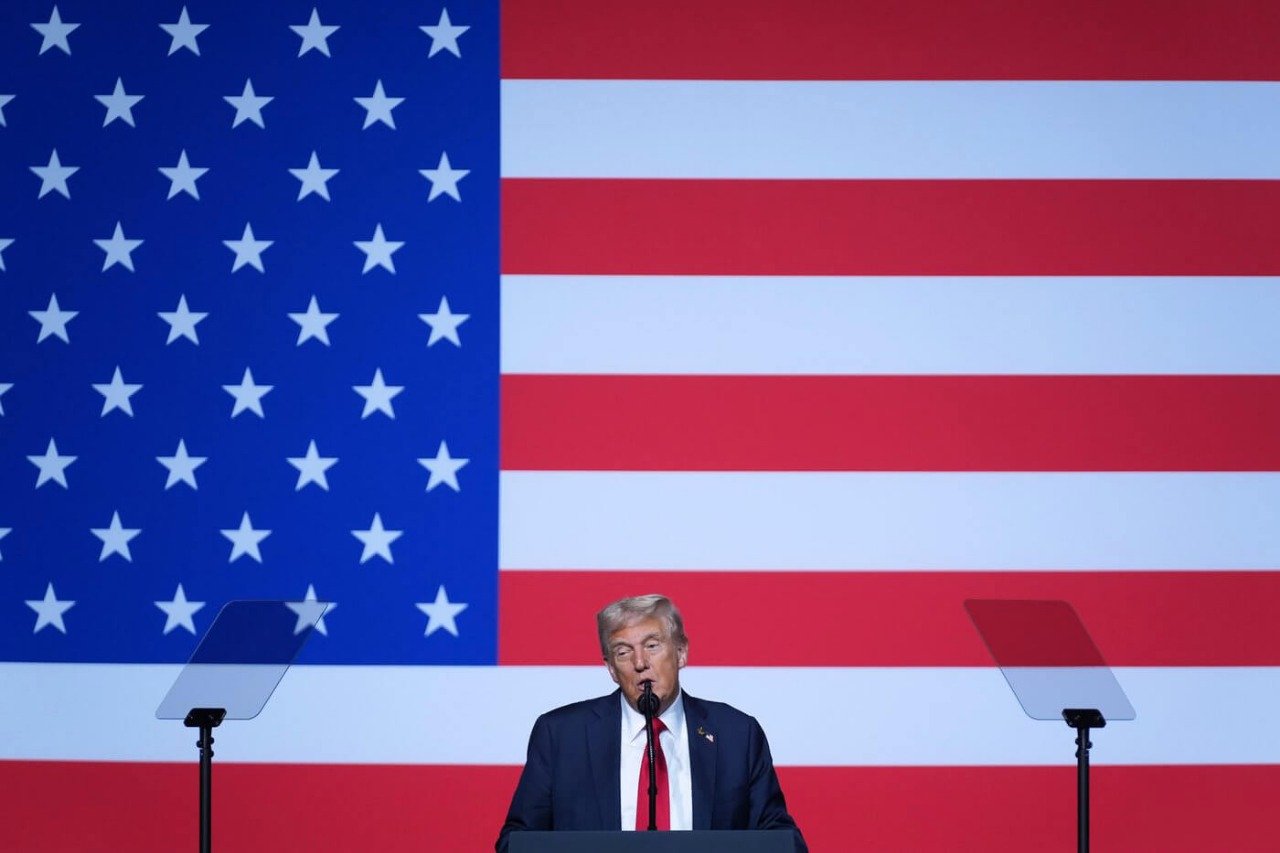
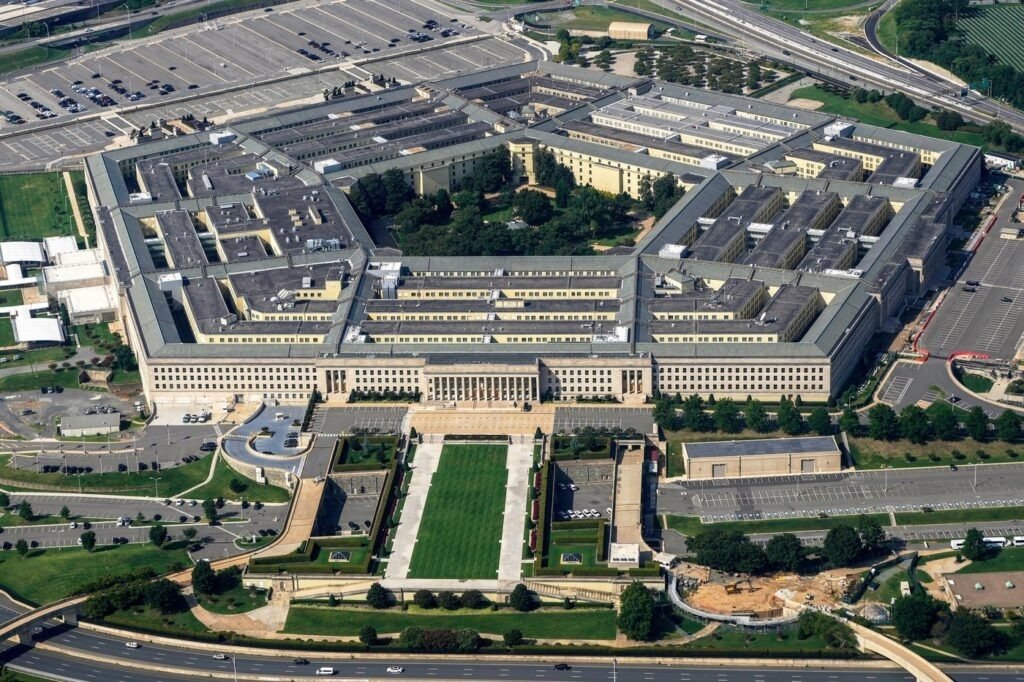
WASHINGTON — In a major fracture to North American defense relations, the U.S. Pentagon has announced it is pausing participation in a long-standing military alliance with Canada. U.S. officials stated that Ottawa failed to provide a credible, actionable response to a classified document outlining joint security priorities for the continent. While Canada provided a generalized assurance that it remains aligned with U.S. goals, the Donald Trump administration has firmly rejected the response, demanding a transparent and detailed roadmap rather than vague political rhetoric.
The escalating friction prompted Elbridge Colby, the U.S. Undersecretary of Defense for Policy, to temporarily suspend U.S. involvement in the Permanent Joint Board on Defense (PJBD). Established in 1940, the historic advisory body has served as the cornerstone for bilateral military cooperation between the two neighbors for decades. Alongside the broader strategic impasse, U.S. officials expressed growing frustration over Canada’s ongoing procurement delays and reviews concerning American-made F-35 fighter jets.
In response to the rebuke, the Canadian Department of National Defence highlighted that the country successfully hit NATO’s previous defense target for the first time by allocating 2% of its Gross Domestic Product (GDP) to the military. Furthermore, NATO allies recently agreed to scale this benchmark up to 3.5% of GDP in the coming years, with an eventual target of 5%. However, the Pentagon maintains that despite Canada’s massive financial pledges on paper, Ottawa lacks a clear strategy detailing how these funds will concretely modernize NORAD, fortify the Arctic region, or align with NATO commitments. Defense experts noted that the Trump administration intends its defense directives to be treated as non-negotiable mandates, whereas Ottawa has historically approached them as optional requests.
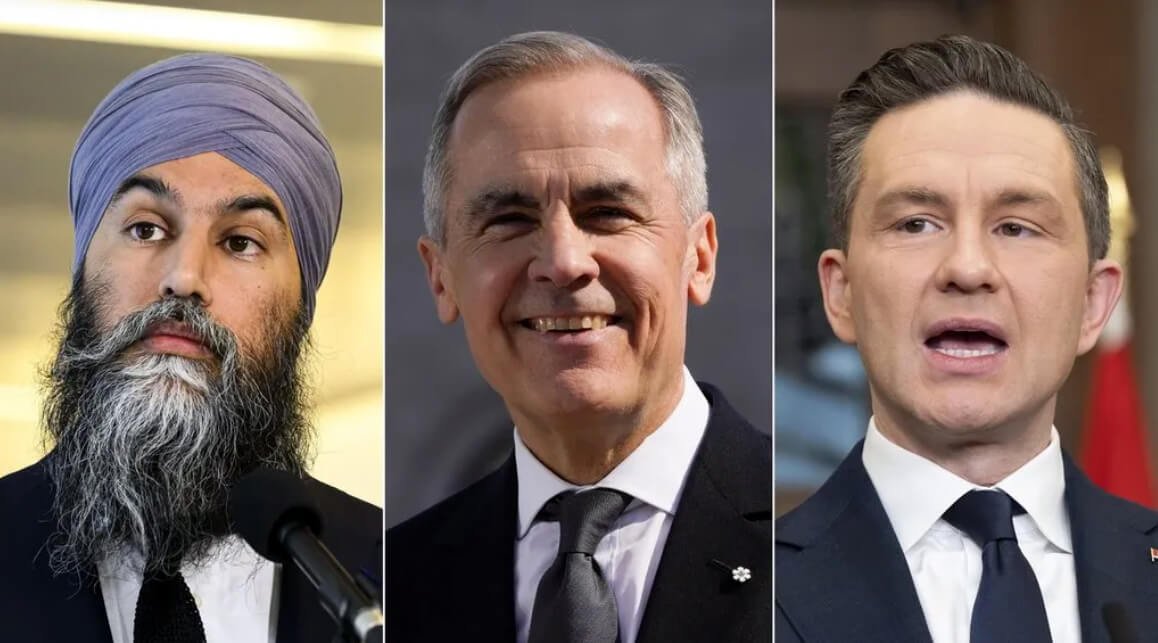
With President Donald Trump back in the White House, Canada’s military expenditures have evolved into a critical bargaining chip directly impacting cross-border trade relations under the Canada-United States-Mexico Agreement (CUSMA). Facing aggressive tariff threats from Washington, Canadian Prime Minister Mark Carney has pushed through significant defense budget expansions. Despite these multi-billion dollar promises, the Carney administration faces heavy scrutiny at home over an apparent lack of financial transparency. Lending weight to domestic criticism, Canada’s former Parliamentary Budget Officer Kevin Page publicly demanded that Prime Minister Carney deliver an explicit, itemized financial roadmap detailing all projected military expenditures through 2035 to restore accountability.