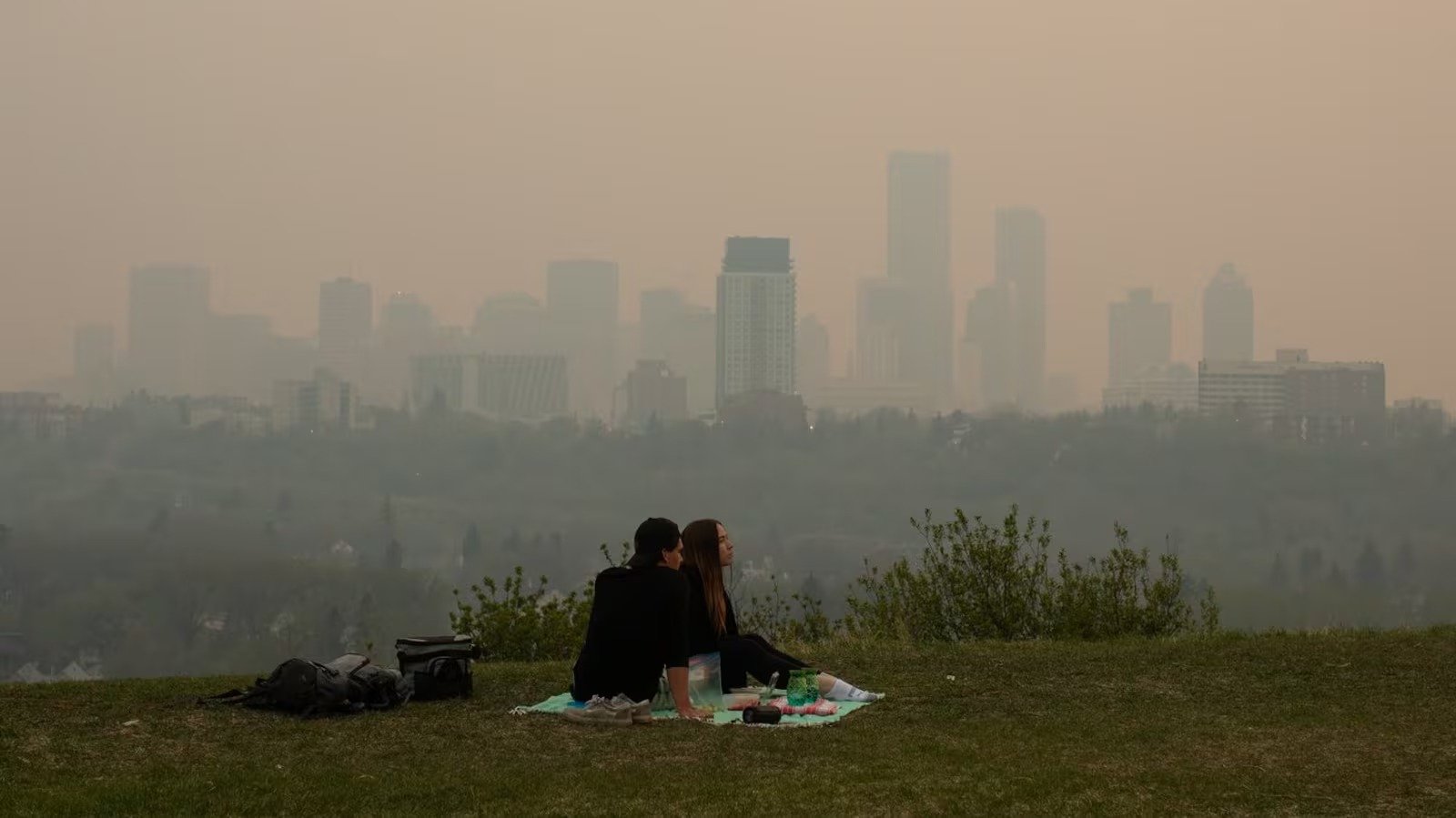
OTTAWA — Daily exposure to low-level air pollution in urban centers can directly impair memory, comprehension, and mental processing speed in adults, according to a major study out of McMaster University in Canada. Published in the medical journal Stroke, the findings reveal that even minimal amounts of atmospheric pollution can quietly accelerate brain aging and trigger visible structural damage long before noticeable cognitive symptoms appear.
While Canada is globally recognized for having relatively high outdoor air quality, the research highlights that there is no completely safe threshold when it comes to neurodegenerative risks. The team of researchers analyzed multi-year data from nearly 7,000 middle-aged and older adults across major Canadian cities, including Toronto, Vancouver, Montreal, Hamilton, and Ottawa. Participants underwent routine cognitive tests evaluating delayed recall, verbal fluency, and executive function, alongside magnetic resonance imaging (MRI) scans to observe changes in brain tissue.
The study specifically focused on two major everyday pollutants: fine particulate matter ($PM_{2.5}$) and nitrogen dioxide ($NO_2$), both primarily generated by traffic exhaust, industrial emissions, and wildfire smoke. By utilizing advanced brain scans, the researchers confirmed that higher exposure to these microscopic toxins is linked to “silent” vascular brain injuries. Strikingly, the data showed that for every five-microgram per cubic meter increase in $PM_{2.5}$ exposure, the decline in cognitive scores was equivalent to an astounding two to 12 years of brain aging.
Dr. Sandi Azab, an assistant professor at McMaster’s Department of Medicine and the lead author of the study, emphasized that these detrimental brain changes can happen completely unnoticed. To prove that the particles independently damage brain tissue, the research team statistically isolated the results from traditional cardiovascular risks, finding that the correlation remained completely unchanged. Notably, the study also indicated that women showed a heightened vulnerability to visible structural brain damage from traffic-related emissions.
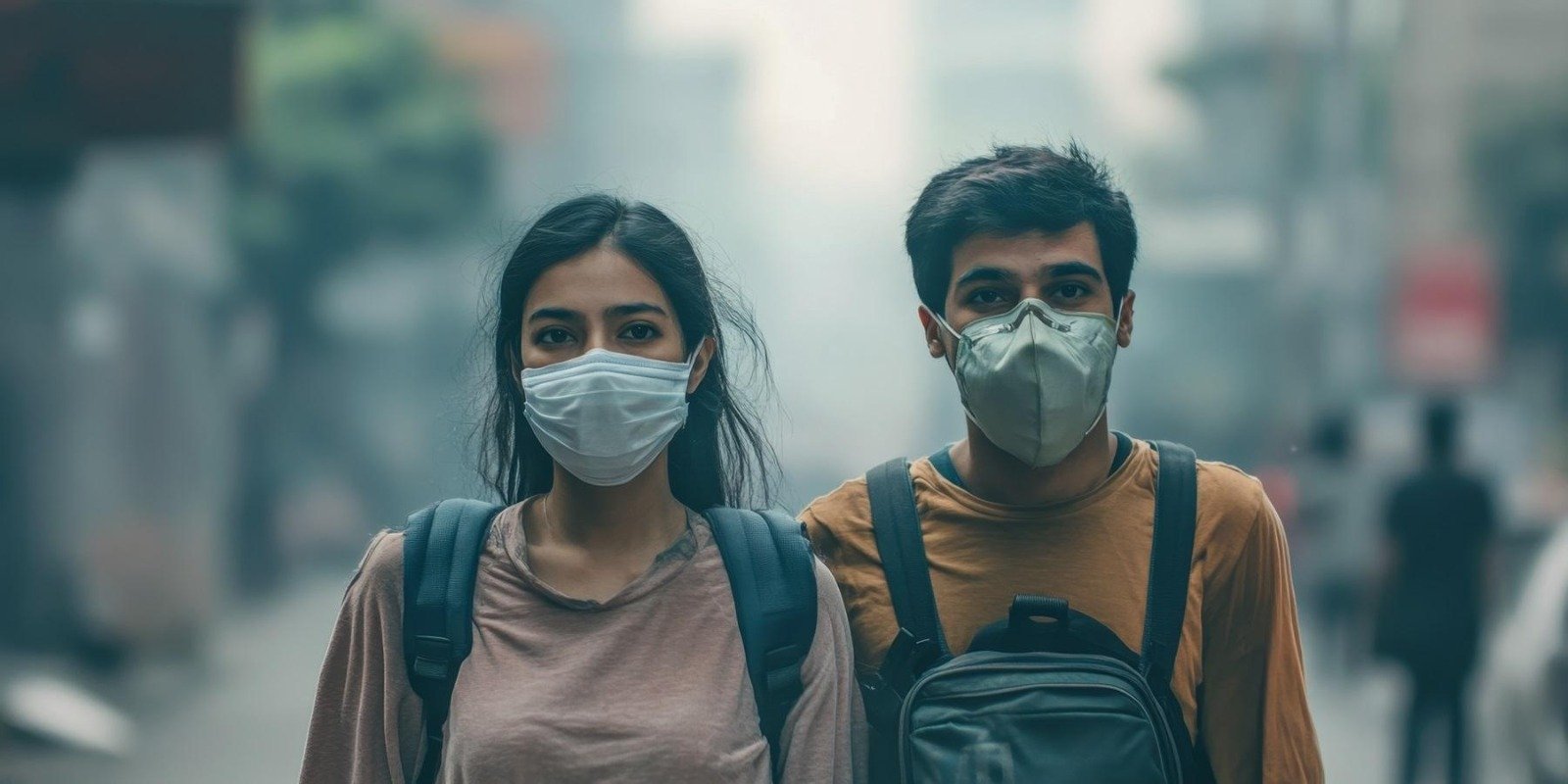
In light of the alarming findings, Dr. Azab called for tougher regulatory standards on a policy level and more proactive environmental exposure screenings by primary care physicians. For individual protection, the research team urged the public—particularly the elderly and those with pre-existing conditions—to take stringent precautions. They advised citizens to stay indoors during wildfire events, which serve as a primary source of dangerous $PM_{2.5}$ levels, and to consistently wear tight-fitting, high-efficiency masks on days when local air quality dips.