
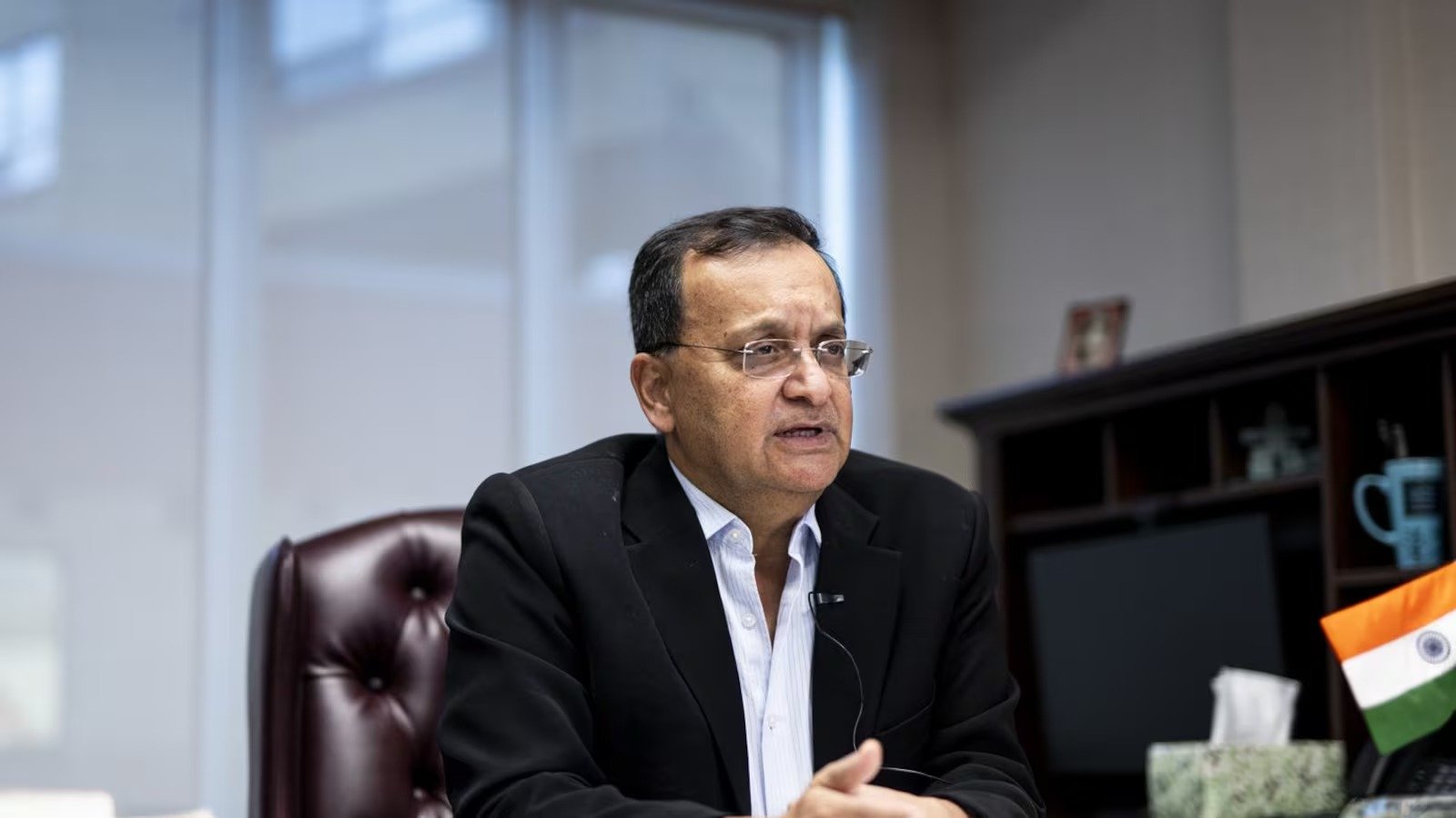
OTTAWA- India’s High Commissioner to Canada, Dinesh K. Patnaik, expressed strong confidence that a historical Comprehensive Economic Partnership Agreement (CEPA) between Canada and India will be finalized prior to Prime Minister Narendra Modi’s upcoming visit to Canada in December. Speaking in an exclusive interview with CTV Question Period, Patnaik noted that the vast majority of the agreement has already been worked out, with only routine legal scrubbing and minor details remaining. Canadian Prime Minister Mark Carney recently confirmed that Modi is scheduled to visit Canada on December 11 and 12, just ahead of the G20 Leaders’ Summit in Miami.
The momentum follows a commitment made by both leaders during last November’s G20 meeting in Johannesburg to revive trade talks and strike a deal within a year. Since then, diplomatic engagements have intensified, with Carney visiting India in March, followed by a major 300-delegate trade mission to India led by International Trade Minister Maninder Sidhu and Foreign Affairs Minister Anita Anand in October. Both nations are striving to double their bilateral trade to $70 billion annually by 2030, building on two-way trade in goods and services that reached $30.4 billion in 2025.
A key point of negotiation involves agricultural import tariffs, as India currently maintains a 10 per cent levy on Canadian lentils and a 30 per cent tariff on yellow peas to protect domestic farmers. Addressing these concerns, Patnaik revealed that both countries are working out a “tariff rate quota” system. Under this proposed mechanism, Canada will be allowed to export a designated annual quota of pulses tariff-free, with duties applying only to volumes exceeding that limit. Patnaik emphasized that this structured approach will provide market predictability for Canadian farmers—particularly in Saskatchewan, the top provincial exporter of agricultural goods and potash to India—as India’s growing population requires expanding imports of food grains.
This rapid progress signals a major diplomatic shift after trade talks were abruptly paused in 2023 following allegations made by former Prime Minister Justin Trudeau regarding the death of Sikh activist Hardeep Singh Nijjar in British Columbia. While India has consistently denied any involvement, relations have visibly thawed as Carney seeks to diversify Canada’s trade footprint away from heavy reliance on the United States, positioning India as a vital long-term economic partner.


