Toronto: The family of fallen Toronto Police Constable Todd Baylis, alongside the Toronto Police Association (TPA), has issued an urgent call to Ottawa demanding sweeping reforms to Canada’s parole system. They argue that the current parole process for violent offenders inflicts severe secondary trauma and emotional anguish on victims’ families.
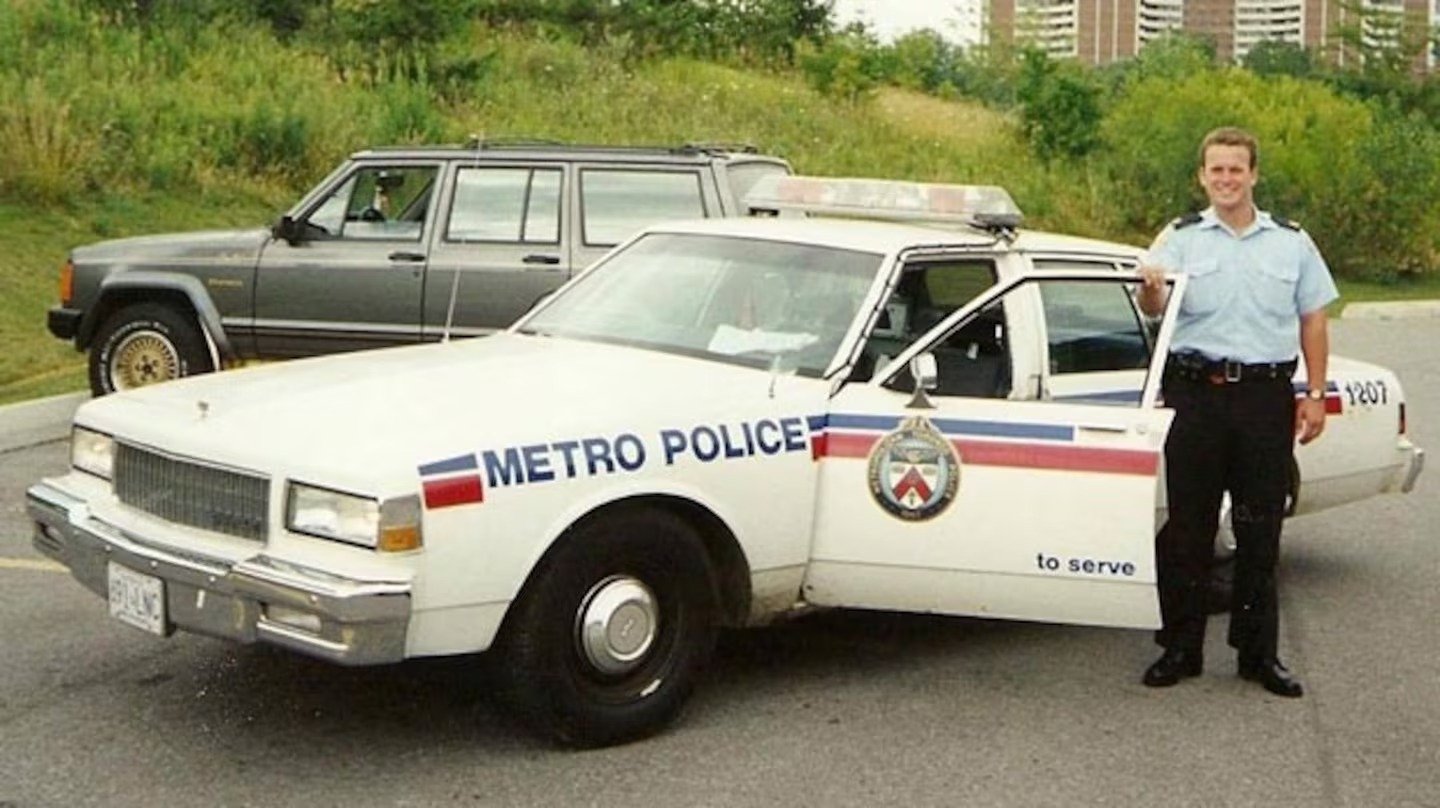
Constable Todd Baylis, aged 25, was shot and killed in June 1994 in North York while pursuing a drug suspect. His killer, Clinton Gayle, was convicted of first-degree murder and the attempted murder of Baylis’s partner, Constable Mike Leone. Gayle was sentenced to life imprisonment with no parole eligibility for 25 years.
Having passed the 25-year mark, Gayle has repeatedly applied for release. The Parole Board of Canada recently rejected his fourth application for parole. However, the troubling circumstances surrounding the hearing prompted the Baylis family and police representatives to push for legislative action.
Key Grievances Raised by the Family
- Short Notice: Cory Baylis, brother of the slain officer, revealed that the family received only 20 days’ prior notice regarding the offender’s in-person parole hearing.
- Refusal to Adjourn: The Parole Board denied a request from the family to postpone the hearing by four weeks to accommodate complex travel arrangements.
- Offender Consent Required: Authorities informed the family that any adjournment would require the explicit consent of the killer, Clinton Gayle. Former Officer Mike Leone—who survived the attack—expressed outrage, describing it as deeply humiliating and undignified to seek permission from the man who brutally executed his partner and attempted to end his own life.
Proposed Legislative Reforms
In response, TPA President Clayton Campbell formally urged the federal government to implement structural reforms to the justice system. The primary demands submitted include:
- Extended Parole Ineligibility: Increase the minimum parole ineligibility period for severe crimes, such as first-degree murder, from the current 25 years to up to 35 years.
- Longer Intervals Between Applications: Under current rules, offenders can re-apply for parole every two years. The TPA and the family demand extending this gap to five to seven years to spare families from perpetual retraumatization.
- Prioritizing Victims’ Rights: Shift the systemic focus from prioritizing offender rights to upholding victim dignity, ensuring families receive timely notifications and adequate accommodation.
The Toronto Police Association has called on federal officials to intervene urgently to enact meaningful justice system reforms.