OTTAWA — The Federal Government’s ongoing efforts to claw back billions of dollars in overpaid pandemic-era relief funds are disproportionately harming low-income Canadians, according to a report published by Maytree, a social policy think tank.
During the height of the COVID-19 pandemic, Ottawa distributed approximately $14 billion in emergency benefits to individuals who did not meet technical eligibility criteria. The vast majority was funneled through key relief initiatives, including the Canada Emergency Response Benefit (CERB) and the Canada Recovery Benefit (CRB).
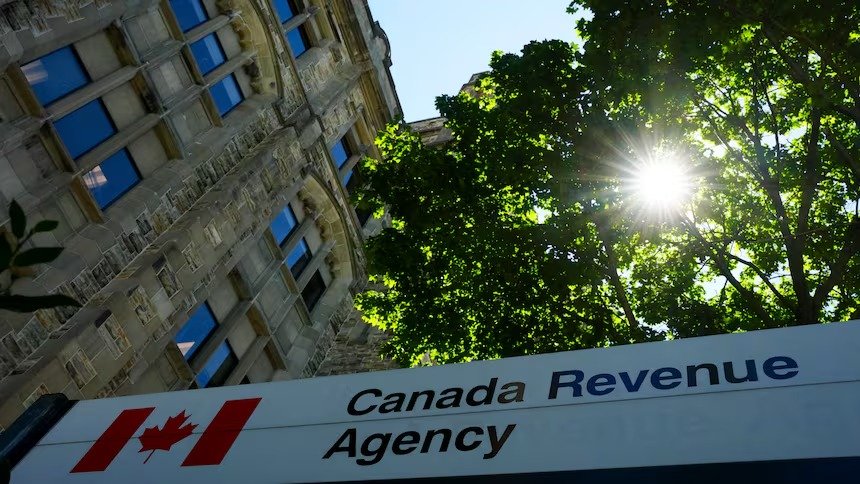
Data shows that as of late last November, the Canada Revenue Agency (CRA) still had over $10 billion in uncollected benefit debt on its books, with more than $8 billion linked directly to CERB and CRB overpayments.
‘Not a Story of Fraud’
The report emphasizes that the burden of decisions made rapidly during a national crisis is now falling on Canadians least capable of repayment.
John Stapleton, a social policy expert and co-author of the Maytree report, noted that while a small segment of recipients may have knowingly claimed ineligible benefits, a vast number of low-income individuals are simply trapped in extreme financial distress.
The government allocated $123 million over two years starting in the 2026–27 fiscal year solely to fund the recovery of these outstanding pandemic benefits. However, analysts argue that the administrative cost of pursuing these debts often eclipses the actual revenue recovered.
Implementation Flaws
Tyler Meredith, a Maytree fellow and former senior economic and financial policy advisor to former Prime Minister Justin Trudeau, pointed out that recipients spent these funds almost immediately on essential living expenses.
To qualify for CERB (which ran from March to October 2020), applicants were required to have earned at least $5,000 in the preceding 12 months, suffered income loss due to the pandemic, and be ineligible for Employment Insurance (EI). Eligible individuals received $2,000 every four weeks.
Meredith noted that because the programs were rolled out at record speed, adequate mechanisms were not initially put in place to manage ineligible payments or post-distribution reconciliations.
Calls for Debt Relief Frameworks
While experts acknowledge that blanket forgiveness of all ineligible benefit debt remains politically challenging, the report advocates for practical compromises, such as extending repayment timelines or offering partial debt relief.
Currently, the CRA allows low-income individuals facing hardship to defer repayments indefinitely without interest. Agency officials noted that in cases of permanent financial incapacitation, debt write-offs can be formally recommended.
The Maytree report recommends that Ottawa:
- Develop a structured phase-out strategy for pandemic benefit collections.
- Direct the Parliamentary Budget Officer (PBO) to audit the overall administrative cost of the clawback campaign.
- Amend tax legislation to grant the CRA expanded authority to compromise on remaining balances and settle over 1,200 pending dispute cases.