
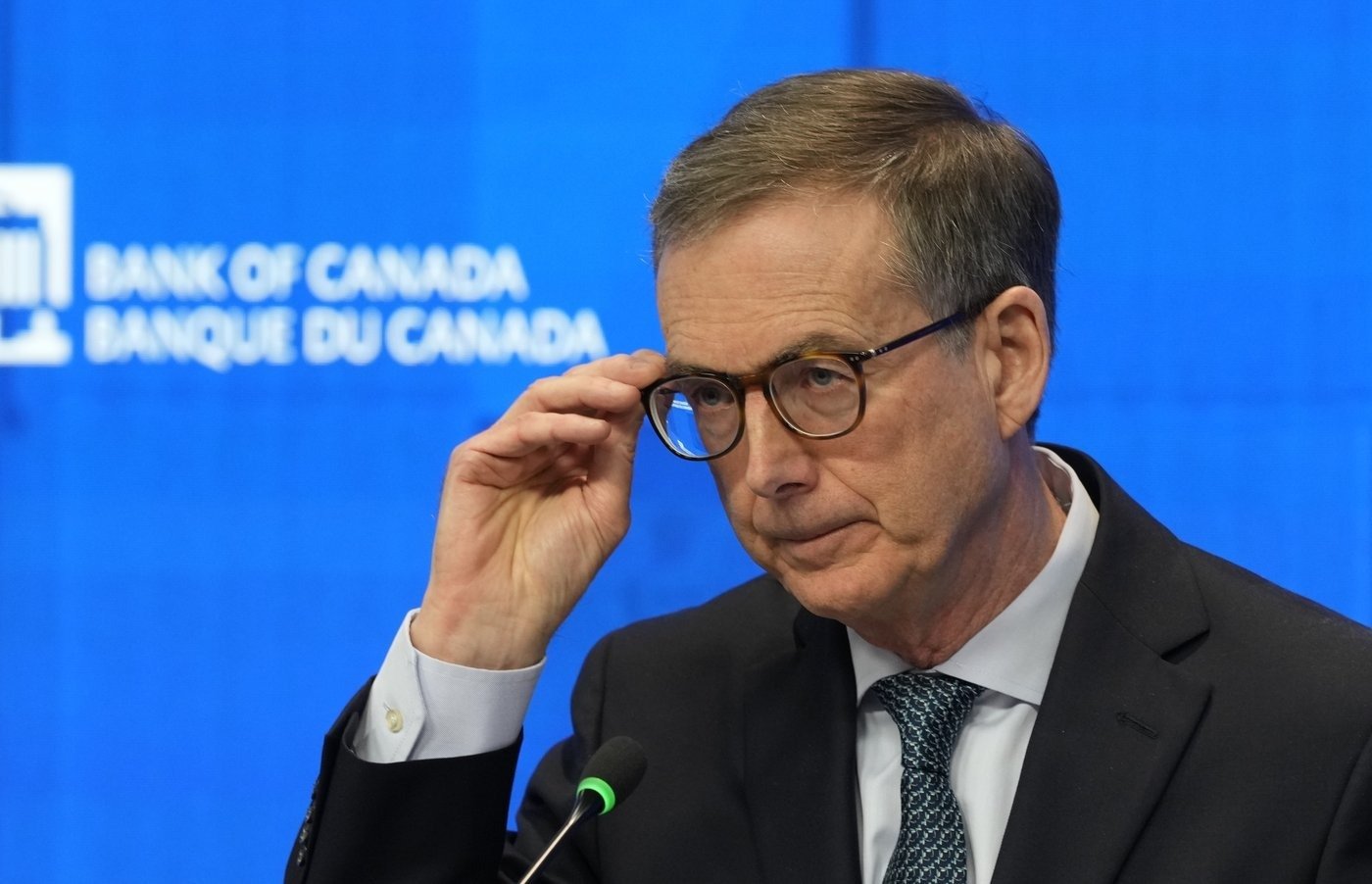
OTTAWA – The Bank of Canada is widely expected to keep its benchmark interest rate steady at 2.25% this Wednesday, as policymakers navigate a complex economic landscape shaped by the ongoing conflict in Iran. Despite a sharp rise in headline inflation—which jumped to 2.4% in March from 1.8% in February—market analysts and over 93% of experts believe the central bank will look past this temporary “energy shock.” The spike is primarily attributed to skyrocketing gasoline prices following the closure of the Strait of Hormuz, rather than broad-based domestic price pressures.
Governor Tiff Macklem and other officials face a delicate balancing act as they prepare the new Monetary Policy Report. While fuel costs are driving inflation above the bank’s midpoint target, the broader Canadian economy is showing signs of significant strain, with stagnant growth and an unemployment rate that has climbed to 6.7%. Economists point out that if volatile energy prices are excluded, core inflation actually showed signs of easing in March, suggesting that high interest rates are already doing their job to cool the domestic economy.
The federal government’s recent decision to temporarily suspend the federal fuel excise tax—a move effective from April 20 until Labour Day—is expected to provide some relief at the pumps and potentially shave a few points off inflation in the coming months. However, the persistence of the war remains the primary “wildcard.” Experts warn that if the conflict becomes protracted and inflation expectations among consumers become entrenched, the Bank of Canada may be forced to consider rate hikes later in the year, despite the risk of pushing the economy into a deeper slump.