
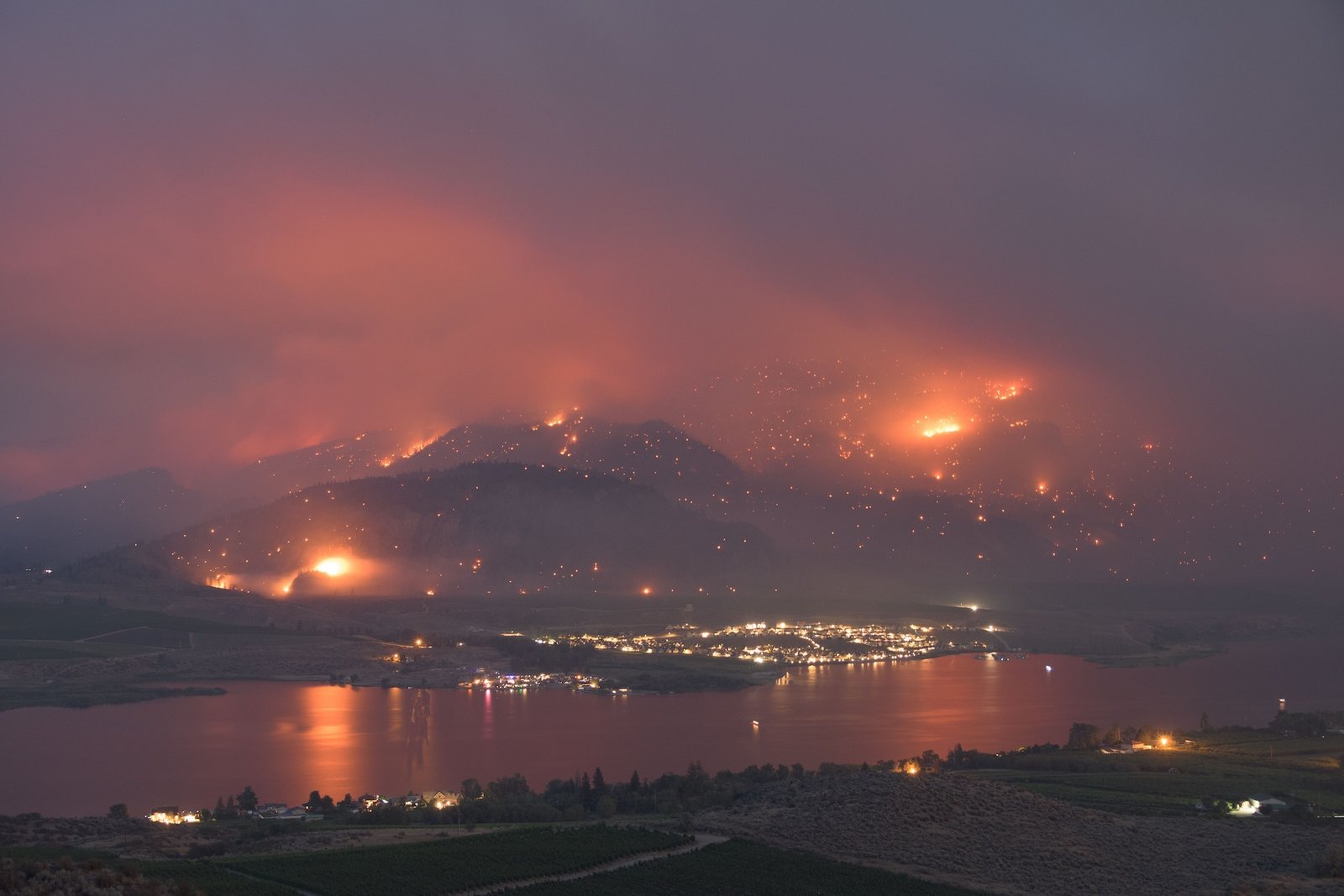
ONTARIO: A new study warns that Canada’s drinking water sources could remain at risk of contamination for years even after wildfires are extinguished. The finding comes from a global review led by the University of British Columbia, which notes that shifts in water quality often only become apparent months or even years after a blaze.
Researchers analyzed 23 studies across 28 watersheds worldwide. Contamination intensifies when heavy rain or snowmelt washes accumulated ash and debris into rivers. With more than 15 million hectares of forest burned across Canada in 2023, the study carries heightened significance.
Studies from Alberta highlight these long-term consequences. Following the 2016 Fort McMurray wildfire, river levels of sediment, nitrogen, phosphorus, and lead increased, forcing local authorities to spend roughly $500,000 more per year on water treatment. Similarly, after the 2003 Lost Creek wildfire, chemical levels in rivers remained elevated for years. When flooding in 2013 washed ash back into the waterways, phosphorus levels spiked up to ninefold—an effect researchers compared to dumping a bucket of ash directly into the water.
Smoke and fire-retardant chemicals such as Phos-Chek also compound the risk. The metals and nutrients they contain promote algal blooms and drive up water treatment costs, hitting smaller community water systems the hardest.
Professor Loretta Li, who led the study, emphasized that wildfire impacts must be treated and managed as a long-term issue. Researchers also stressed that sustained water monitoring and proactive preparedness are essential in provinces such as British Columbia and Alberta.