
MONTREAL: Although Canada’s overall Consumer Price Index (CPI) slowed to 2.8 per cent in June, rising food prices continue to hit households hard. June marked the 17th consecutive month that grocery inflation outpaced the country’s general inflation rate.
Even as overall inflation dropped to 2.8 per cent and food inflation slowed to 3.9 per cent from May’s 4.3 per cent, Canadians are still paying steep prices for essential groceries. DT Cochrane, a senior economist with the Canadian Labour Congress, noted that grocery prices in Canada have surged by 30 per cent over the last five years.
While tomato prices remain 32 per cent higher compared to the same time last year, the pace of increase slowed from May to June. Food economist Michael Von Massow attributed earlier spikes to supply bottlenecks in Mexico, adding that sourcing from the U.S. over shorter distances has provided slight price relief. However, he warned that ongoing wildfires and dense smoke across Canada could affect crop production and push vegetable prices up again.
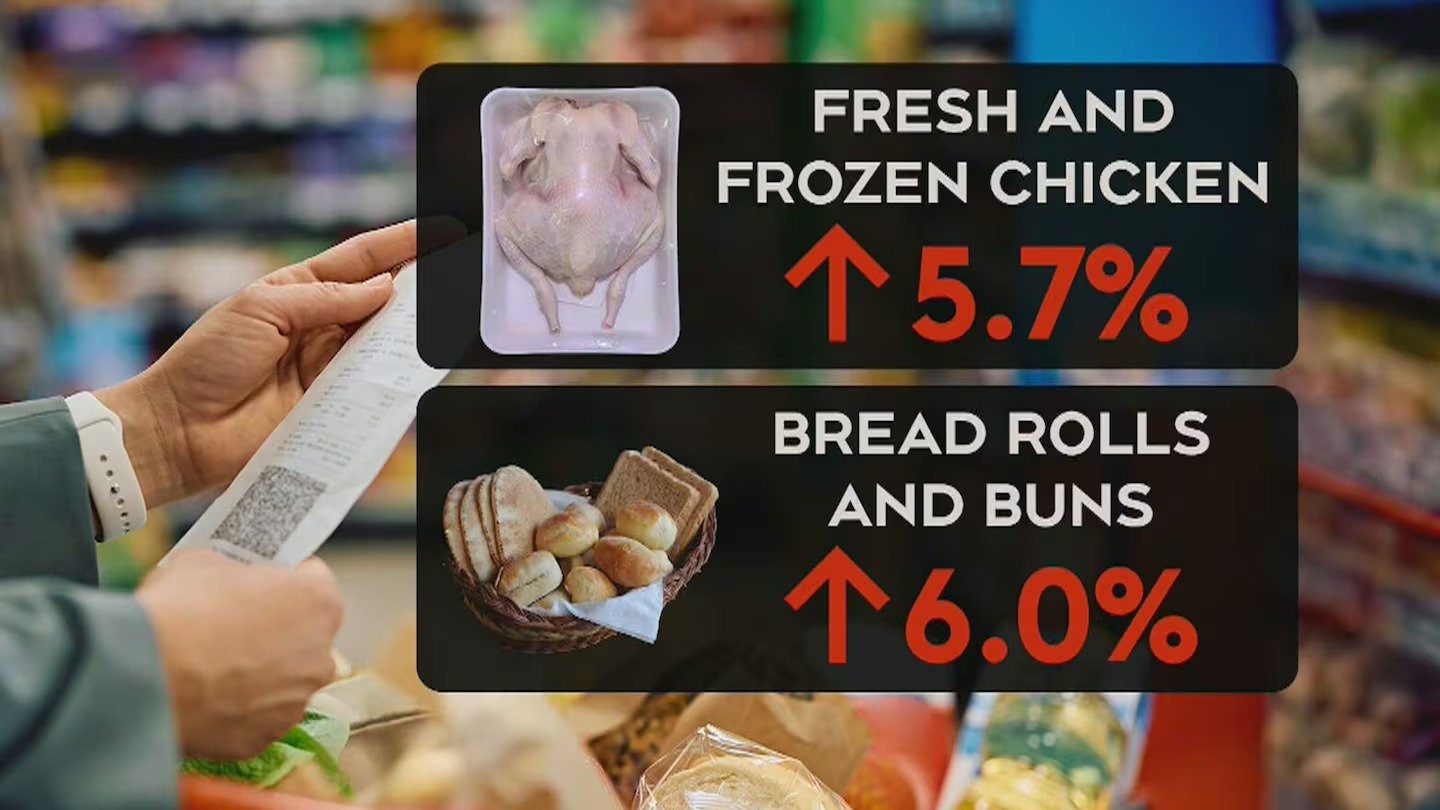
A slowdown in gas price increases—aided by diplomatic talks and a temporary ceasefire in the U.S.-Iran conflict—was a key driver behind the drop in overall CPI to 2.8 per cent. Nevertheless, daily staples remain costly, with fresh or frozen chicken rising 5.7 per cent and bread rolls and buns increasing six per cent.
Faced with heavy bills for food and rent, average Canadian families are struggling to budget for back-to-school supplies as the academic season approaches. Meanwhile, travel-related costs and accommodation prices have jumped sharply across the country, particularly in Toronto and Vancouver as they host World Cup games.