MONTREAL — The traditional maple syrup industry in Quebec is undergoing a significant technological transformation, moving toward a model known as “Maple 2.0.” Facing a massive 19% surge in international demand over the last year, producers are shifting away from manual labor in favor of automation, camera surveillance, and Artificial Intelligence. By integrating sensors into the vast networks of pipes that collect sap, farmers can now instantly identify leaks or fluctuations in temperature. This digital oversight significantly boosts productivity by ensuring that the vacuum pressure required for sap extraction remains constant, preventing the loss of “liquid gold” through undetected damage.
To meet this global hunger for syrup, authorities in Quebec have authorized millions of new “taps,” or collection points, across the province’s forests. This expansion was prompted by the need to replenish the Strategic Reserve, which the province had to rely on heavily after recent yields couldn’t keep pace with market growth. While climate change continues to pose a threat to traditional harvest windows, farmers are counteracting these environmental risks with large-scale investments and government subsidies. These funds are being used to modernize evaporators and implement AI systems that refine the syrup-making process with surgical precision.
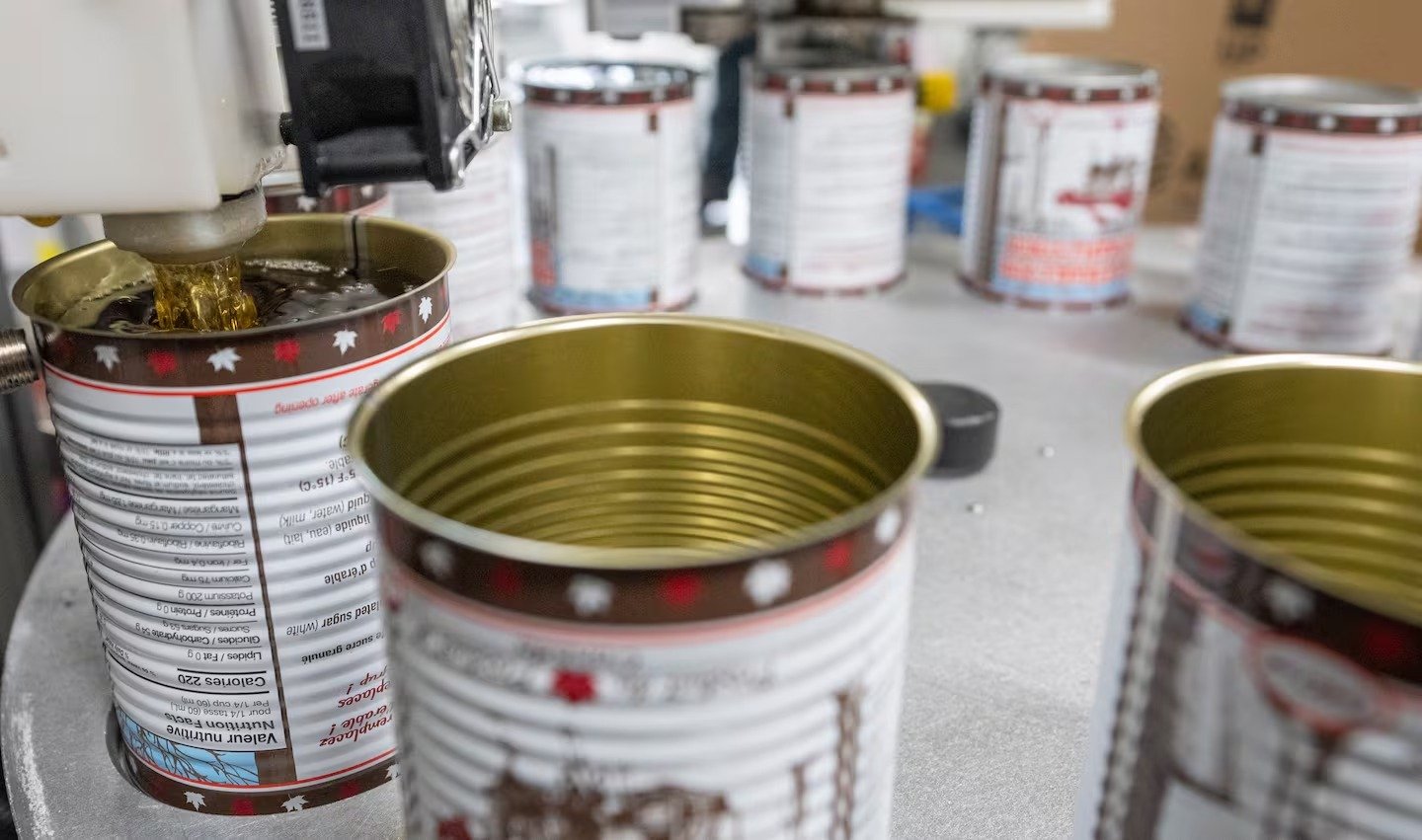
Furthermore, a new business model is emerging within the industry to support smaller producers who may not have the capital for high-end tech. Large, state-of-the-art production centers are now acting as hubs, processing raw sap for local small-scale farmers using advanced machinery. This collaborative approach, combined with the transition to “Maple 2.0,” aims to secure Quebec’s position as the world’s leading supplier while ensuring the industry remains resilient against both economic shifts and unpredictable weather patterns.