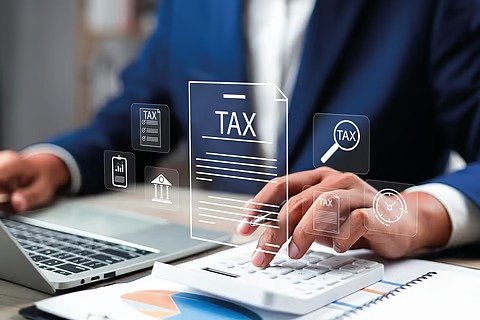
WINNIPEG – Residents of Manitoba are facing a significantly tighter budget as they enter 2026, with a wave of federal, provincial, and municipal tax hikes and fee increases taking effect today. While a federal income tax adjustment offers a modest average saving of $190 for the first tax bracket, these gains are largely overshadowed by rising costs in almost every other sector of daily life.
At the provincial level, the introduction of a new 7% Retail Sales Tax (RST) on cloud computing services marks a major shift, now applying to software subscriptions, data storage, and digital platforms like SaaS and PaaS. Additionally, while the provincial government has increased the Renters Affordability Tax Credit to $625, critics point to the decision to stop indexing income tax brackets to inflation—a move known as “bracket creep”—as a stealth tax hike that will cost taxpayers millions annually.
In Winnipeg, the financial pressure is even more acute:
- Property Taxes: Homeowners will see a 3.5% increase in municipal property taxes, adding roughly $75 to the bill of an average-priced home.
- Public Transit: Adult transit fares have officially risen to $3.45, reflecting a 10-cent hike.
- Utilities and Services: Combined water and sewer rates are up by 2.8%, waste management fees have increased by 4%, and Manitoba Hydro rates have seen a similar upward adjustment.
- Payroll Contributions: Increases in Canada Pension Plan (CPP and CPP2) contributions will further reduce take-home pay for many middle- and high-income earners.
While the government highlights the increase in the Homeowners Affordability Tax Credit to $1,600 as a relief measure, the Canadian Taxpayers Federation warns that the cumulative effect of these changes will leave the average family with a higher overall tax burden compared to previous years.