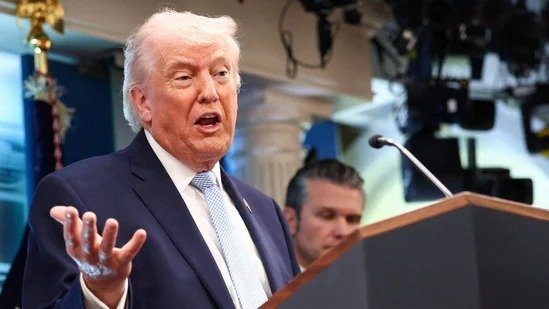
President Donald Trump has issued a stern ultimatum to European allies, demanding tangible military contributions rather than mere diplomatic promises to secure the Strait of Hormuz. During a high-stakes meeting with NATO Secretary General Mark Rutte, Trump insisted that allies must deploy warships or provide direct military assets within days to protect international shipping lanes. The White House maintains that keeping this corridor open is non-negotiable, as it handles approximately one-fifth of the world’s oil and gas supply.
The demand puts significant pressure on the 40-nation coalition that had previously expressed a general willingness to support maritime security in the region. Trump’s “action-over-words” approach signals a shift toward a more aggressive burden-sharing model, where allies are expected to bear the operational costs and risks of maintaining global energy stability. Officials emphasized that ensuring the safety of this passage is the only way to prevent a catastrophic spike in global oil prices.
Despite the military posturing, the situation on the ground remains volatile. While a fragile 14-day ceasefire currently exists between the United States and Iran, Tehran has already accused Israel of violating the agreement through its continued military actions in Lebanon. Iran warned that such escalations could jeopardize the truce, further complicating the security landscape for merchant vessels.
As the ceasefire hangs by a thread, the United States is prioritizing the assembly of a robust naval task force to deter potential threats. Trump’s administration has made it clear that the U.S. will not act alone in policing the Strait indefinitely. The coming days will be a crucial test for European leadership as they weigh the risks of military involvement against the economic consequences of a disrupted energy market.