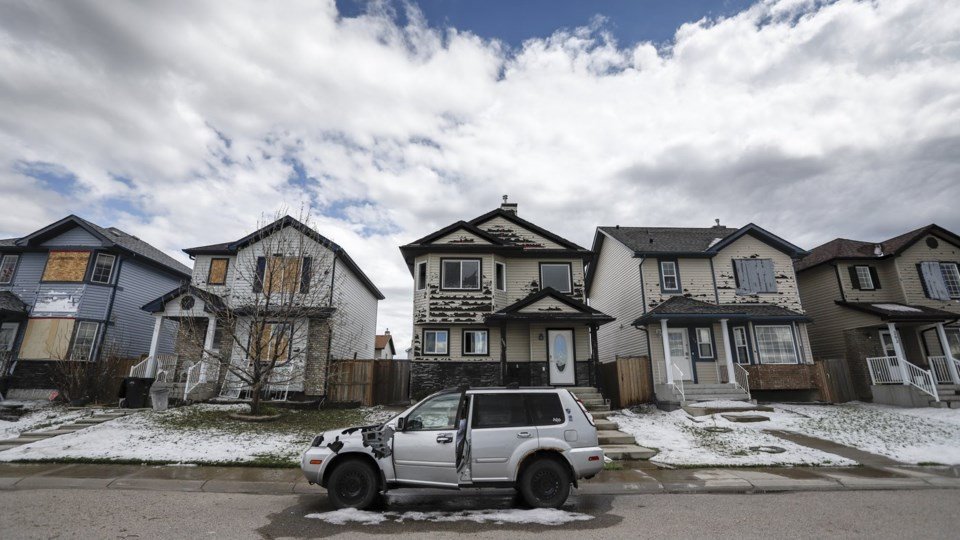
OTTAWA – Rising concerns over the increasing frequency of global natural disasters are creating a significant financial strain on homeowners, as home insurance premiums continue to skyrocket. Driven by the devastating impact of hurricanes, wildfires, and unpredictable flash floods, insurance companies are facing massive financial liabilities. In response, many firms are sharply increasing premium costs or limiting coverage altogether in high-risk zones, such as coastal regions and areas prone to forest fires, where the risk of loss has become unsustainable for traditional business models.
The primary driver behind this crisis is the escalating number of insurance claims resulting from climate-change-related events. As these disasters become more frequent and severe, insurance providers have seen their profit margins vanish, leading them to hike rates to cover potential payouts. In some regions, homeowners have reported premium increases of up to 40 percent over the last few years. Furthermore, many companies now require separate policies or significantly higher deductibles for specific threats like wind and water damage, leaving residents with more out-of-pocket expenses.
The scarcity of affordable insurance is placing homeowners in a difficult position, particularly those living in vulnerable areas where some leading insurers are withdrawing entirely. For many, finding a new policy has become a complex hurdle, forcing a growing number of people to rely on government-backed insurance schemes as a last resort. Experts note that this shift is not just a temporary spike but a fundamental change in how the industry assesses geographical risk in an era of environmental instability.
To combat these rising costs, experts suggest that homeowners invest in “loss mitigation” strategies to strengthen their properties. Features such as impact-resistant glass, reinforced roofing, and fire-resistant landscaping can sometimes help in securing lower premiums or maintaining eligibility for coverage. While these structural upgrades require an upfront investment, they are becoming essential tools for homeowners looking to navigate a market where traditional insurance protection is no longer a guarantee.