
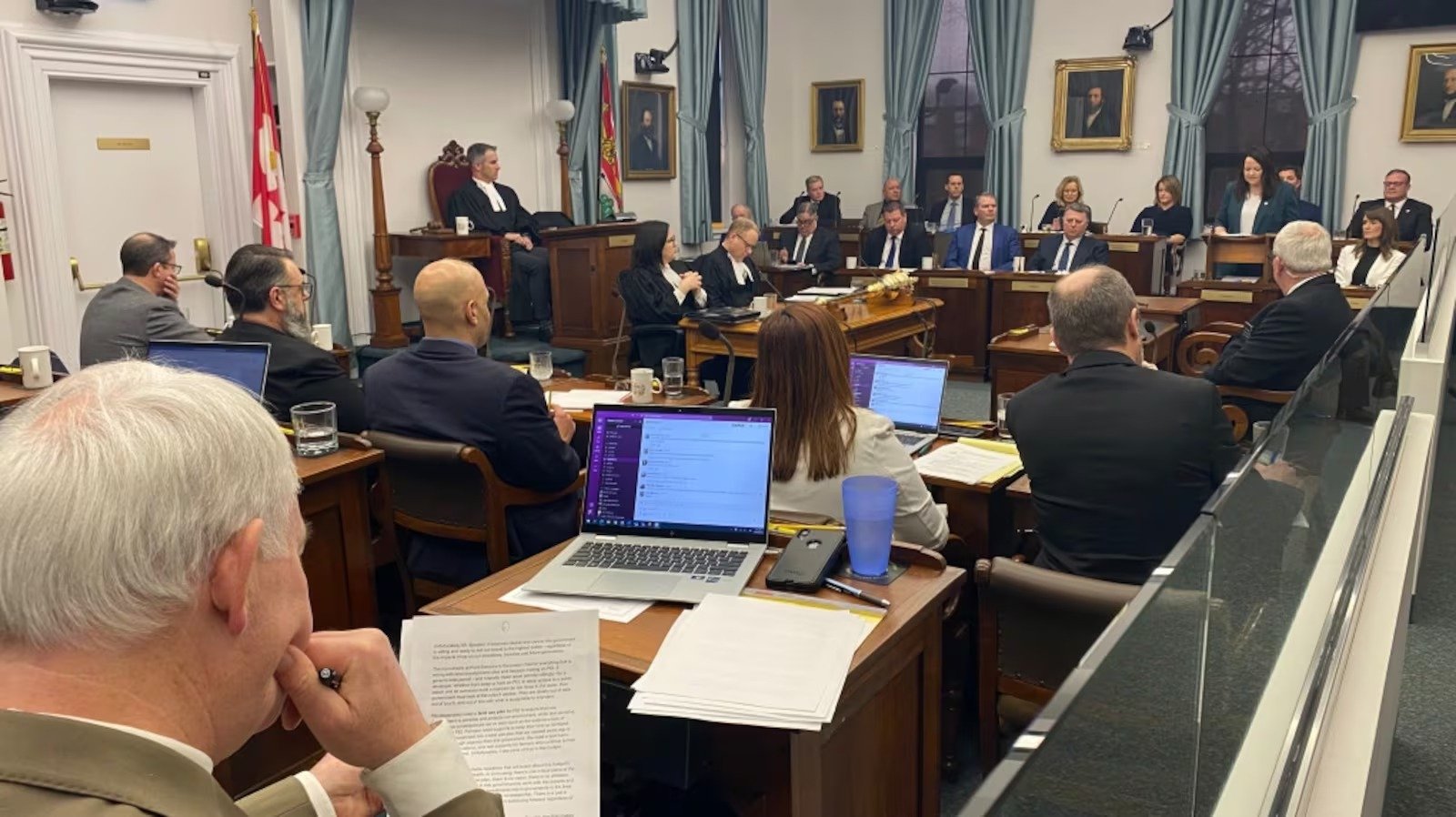
CHARLOTTETOWN – Elected representatives in Prince Edward Island (PEI) currently receive the lowest compensation of any provincial or territorial legislators in Canada, according to a recent report by the Indemnities and Allowances Commission. In 2025, the base salary for a PEI MLA stood at $84,598, a figure that represents only 73% of the national average. This pay gap is particularly stark when compared to neighboring Atlantic provinces; for instance, MLAs in New Brunswick earn $93,126, while those in Nova Scotia receive $115,000. The report emphasizes that despite performing legislative and constituency duties identical to their counterparts across the country, PEI representatives remain significantly behind in remuneration.
The Commission highlighted a growing disconnect between political salaries and the cost of living. Over the last decade, MLA wages in the province rose by 20.7%, while the Consumer Price Index (CPI) surged by 28.4%. The report notes that had salaries kept pace with inflation, the base pay would currently be approximately $90,001. To begin narrowing this gap, the Commission has mandated a 2.75% increase to the base salary, effective April 1, 2026. This follows two smaller adjustments of 1.5% each that were implemented in January and July of the previous year.
Beyond basic representation, the report also addressed the salaries of leadership roles within the legislature. The Premier of Prince Edward Island currently earns a total compensation of $172,479, which is roughly $20,000 less than the average for other Premiers in Atlantic Canada. Other key positions, including the Speaker, Deputy Speaker, Leader of the Opposition, Government House Leader, and Whips, also receive stipends that fall below regional averages. These additional leadership allowances will also see a 2.75% increase starting this April.
A central theme of the report is the impact of compensation on democratic health. The Commission argued that adequate pay is essential for ensuring a diverse and representative Legislative Assembly. If salaries are too low, public service may become a path accessible only to those with existing financial security, creating a barrier for everyday citizens to enter politics. While the report acknowledges that the MLA base salary is still higher than the provincial individual average income of $50,000 and the median income of $42,600, it maintains that competitive pay is necessary to attract a wide range of qualified candidates to govern the province.