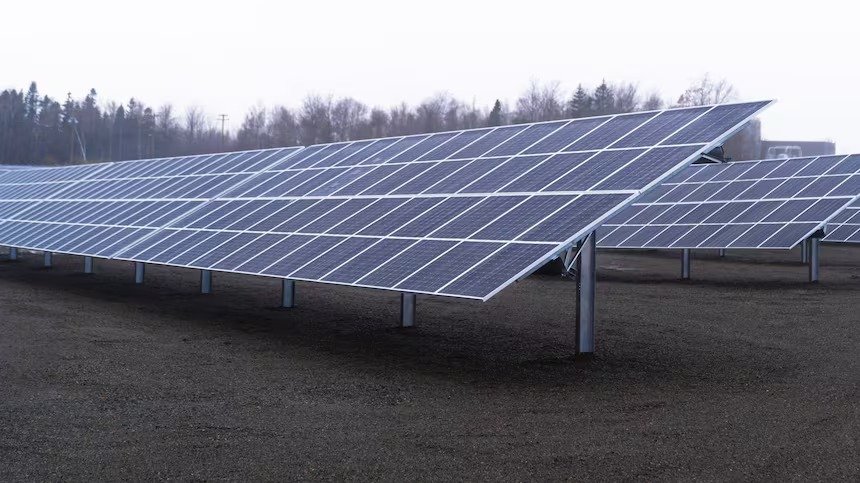
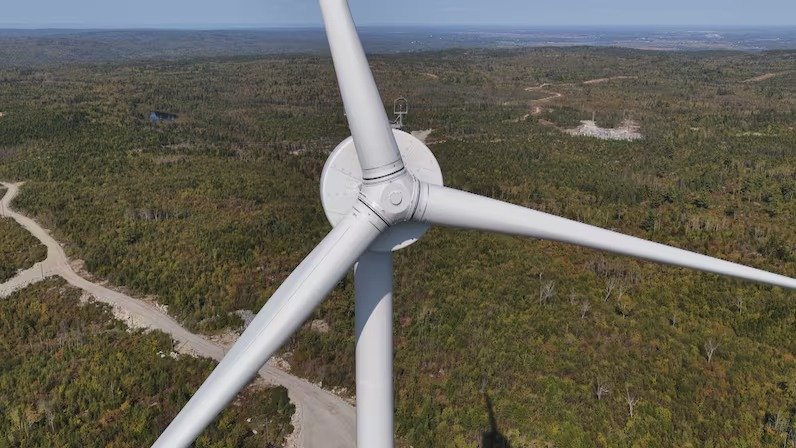
HALIFAX – Nova Scotia is accelerating its efforts to source 80% of its electricity from green sources by 2030. Karen Gatien, Deputy Minister of Natural Resources and Renewables, expressed strong confidence during a recent committee meeting that the province is on track to hit this target even without the immediate completion of its massive offshore project, “Wind West.” The government’s assessment suggests that the goal is within reach through a strategic combination of onshore wind farms, solar panels, and new battery storage systems.
A significant boost is expected by the end of this year, with five new onshore wind farms—including Benjamin Mills, Higgins Mountain, and Goose Harbour Lake—set to become operational. These projects will contribute an additional 480 megawatts (MW) of clean electricity. By 2028, with four more wind farms planned, the total new capacity is expected to reach nearly 1,000 MW, providing roughly 30% of the province’s total renewable energy needs.
While the 2030 target relies heavily on onshore developments, the $60-billion offshore “Wind West” initiative remains a cornerstone for the province’s long-term economic strategy. Although bids for the project are expected this summer, it is not anticipated to supply power until 2033. Once operational, officials estimate the project will generate approximately $100 million in annual revenue, strengthening the province’s financial foundation and potentially turning Nova Scotia into a clean energy exporter.
Beyond generation, the province is modernizing its grid with the creation of an independent energy system operator (IESO) and the construction of utility-scale battery storage facilities in locations like Bridgewater and Waverley. These systems are designed to store excess renewable power and maintain reliability as the province phases out coal. By combining these local resources with a new transmission connection to New Brunswick, Nova Scotia aims to reduce its electricity-related greenhouse gas emissions by 90% from 2005 levels.