
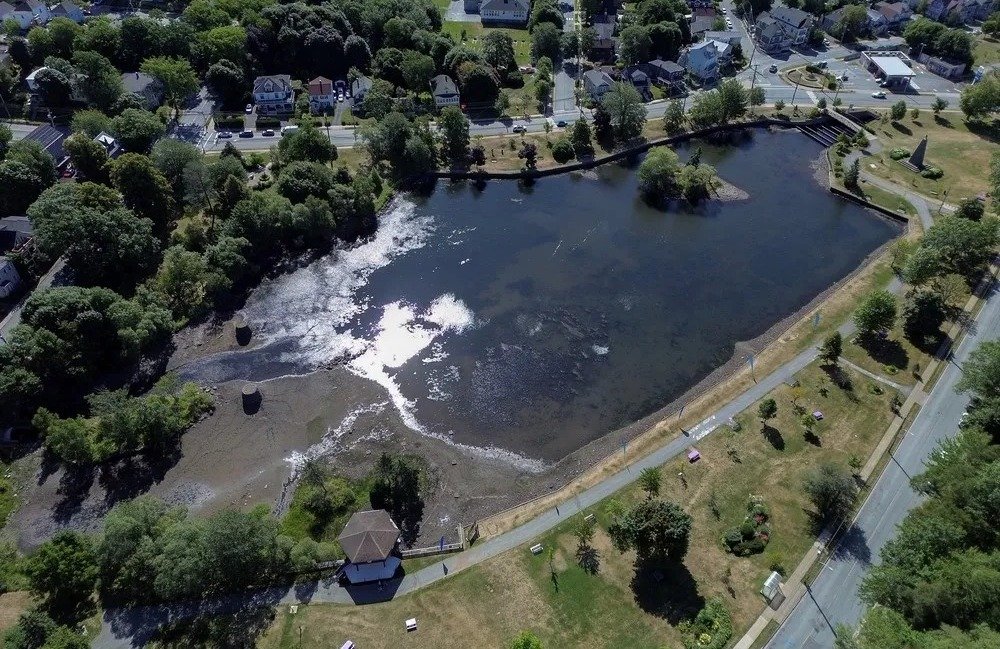
HALIFAX – Climate change is poised to create significant hurdles for Nova Scotia in the coming decades, with a newly released provincial report highlighting a critical threat to water security. The “Climate Change Risk Assessment” update identifies declining drinking water quality as a top-tier risk facing the province by 2050. According to the report, a combination of increasingly intense rainfall and rising atmospheric temperatures will likely contaminate surface water sources, leading to a surge in harmful blue-green algae blooms across the province’s lakes and reservoirs.
Beyond water scarcity and quality issues, the assessment warns that Nova Scotia remains highly vulnerable to extreme wind events, coastal flooding driven by sea-level rise, and catastrophic wildfires. The impact is expected to be most severe across six specific regions, including Halifax, Cape Breton, and Colchester counties. While the environmental outlook is challenging, the report notes a few potential “climate silver linings,” such as an extended summer tourism season and a longer growing window for the agricultural sector. To combat these long-term threats, the provincial government has reaffirmed its commitment to a green energy transition, aiming to phase out all coal-fired power plants by 2030 and source 80% of its electricity from renewable energy.