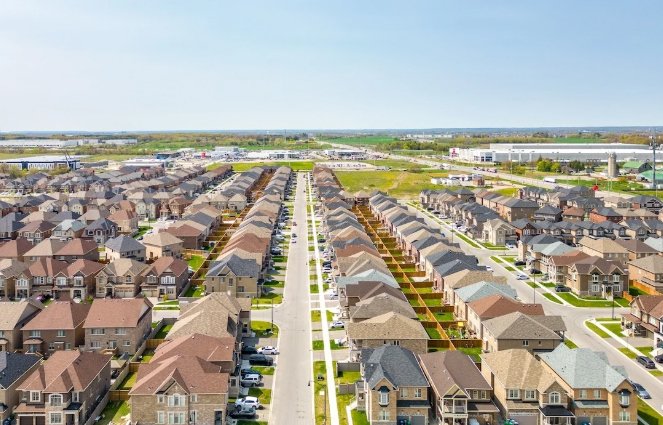
Ottawa : The federal government introduced a sweeping housing affordability package this week, allocating $10 billion to build 300,000 new homes by 2030, with a focus on low- and middle-income families. The plan includes tax breaks for first-time buyers, subsidies for developers prioritizing affordable units, and relaxed zoning regulations in major cities like Vancouver, Toronto, and Montreal. Housing Minister Sarah Bennett called it a “game-changer” to address Canada’s housing crisis, which has seen average home prices soar to $850,000 in urban centers. Public reaction is mixed. Young Canadians, frustrated by skyrocketing rents and unattainable mortgages, welcomed the initiative but questioned whether it goes far enough.
In Toronto, where a one-bedroom apartment averages $2,500 a month, activists argue the plan lacks immediate relief for renters. Developers, meanwhile, face pressure to deliver on affordability promises, with some citing high construction costs as a hurdle. Provinces like Alberta have pushed back, citing federal overreach into municipal planning. The housing crisis has become a flashpoint in the federal election, with NDP Leader Jagmeet Singh proposing a rent cap and Conservative Leader Pierre Poilievre advocating for fewer bureaucratic delays in construction. Economists warn that without sustained investment and coordination, the plan risks falling short. As Canadians await tangible results, the debate underscores the urgency of making homeownership and renting viable for the next generation.