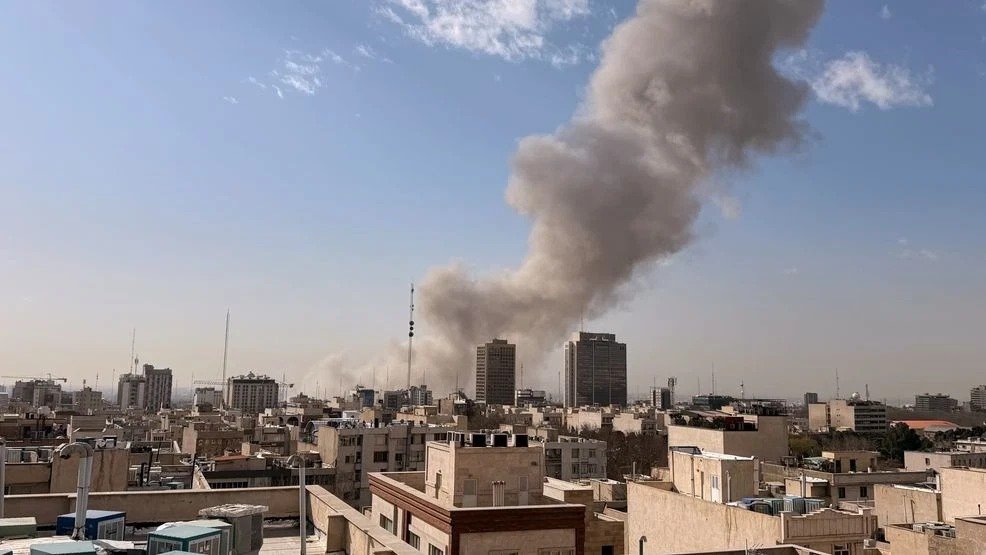
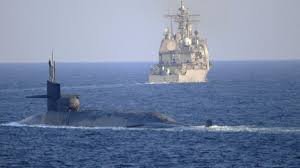
TEHRAN: Tensions in the Middle East reached a critical peak on Saturday as a direct naval confrontation between the United States and Iran narrowly avoided escalation in the Strait of Hormuz. According to Iranian state media, a U.S. destroyer making its way from the port of Fujairah toward the strategic waterway was forced to change course following a definitive warning from Tehran. The Iranian military reportedly informed U.S. forces—via mediators in Islamabad—that any attempt to enter the strait would be met with an attack within 30 minutes.
The incident occurred just as high-level peace negotiations between U.S. and Iranian delegations began in Islamabad, Pakistan, aimed at ending the six-week-old conflict. While Iran claims its firm ultimatum forced the American vessel to withdraw, U.S. officials have offered a different account, stating that two guided-missile destroyers successfully completed a “freedom-of-navigation mission” through the strait without issue. U.S. President Donald Trump further complicated the narrative by posting on social media that the U.S. has begun “clearing out” the strait to ensure global oil flow.
Despite the conflicting reports from both sides, the standoff highlights the extreme fragility of the current two-week ceasefire. While the diplomatic teams in Islamabad, led by U.S. Vice President JD Vance and Iranian Foreign Minister Abbas Araghchi, seek a permanent settlement, the situation on the water remains volatile. Experts suggest that such near-misses could jeopardize the peace talks, especially as Iran continues to demand full sovereignty over the strait while the U.S. insists on unconditional maritime access.