OTTAWA – A recent survey has uncovered a striking shift in how Canadians perceive the stability of their nation and the strategic interests of their southern neighbor. According to a Nanos Research study commissioned by CTV News, a significant majority of Canadians now believe the United States would likely support Alberta if it chose to seek independence from Canada. This data highlights a growing sense of “opportunistic realism” among the Canadian public, as diplomatic rhetoric from Washington continues to influence domestic anxieties regarding national unity.
The survey results suggest that the belief in U.S. support for a fractured Canada has moved from a fringe theory into a mainstream concern. Nationwide, nearly four out of five Canadians believe it is “likely” or “somewhat likely” that the U.S. would back Alberta’s separation. This sentiment is most pronounced in the Prairie provinces, where 58.2% of residents anticipate American support. In contrast, residents of Quebec are the most skeptical, with less than 30% believing the U.S. would intervene in such a manner.
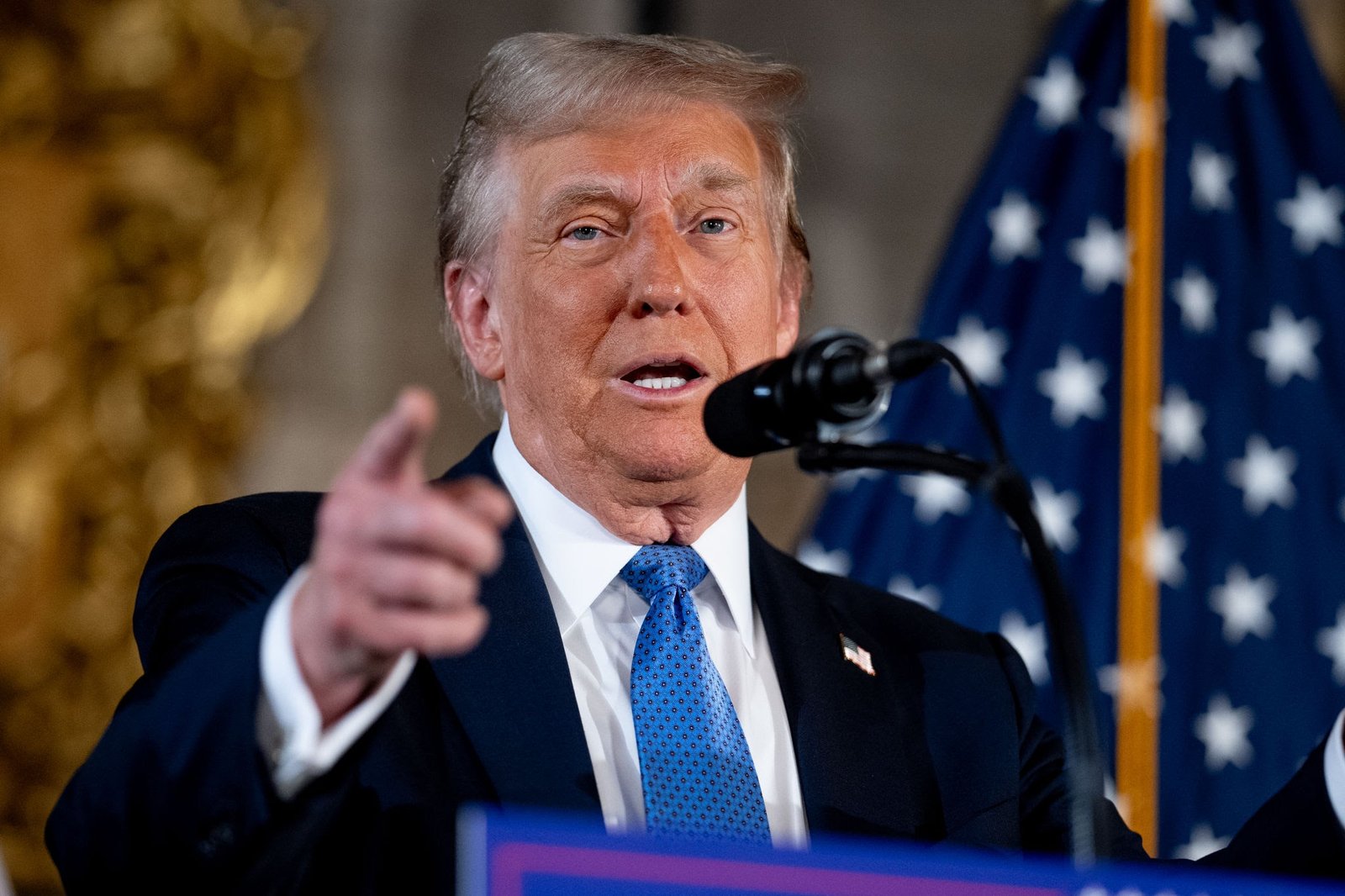
Experts, including Professor Fen Hampson of Carleton University, suggest that these perceptions have been heavily fueled by recent political developments. Specifically, the rhetoric of President Donald Trump, who has previously referred to Alberta as a potential “51st state,” has played a key role in shaping this narrative. Many Canadians now view the U.S. as a neighbor that would prioritize its own economic and resource interests—particularly regarding Alberta’s vast oil reserves—over the preservation of Canadian federalism.
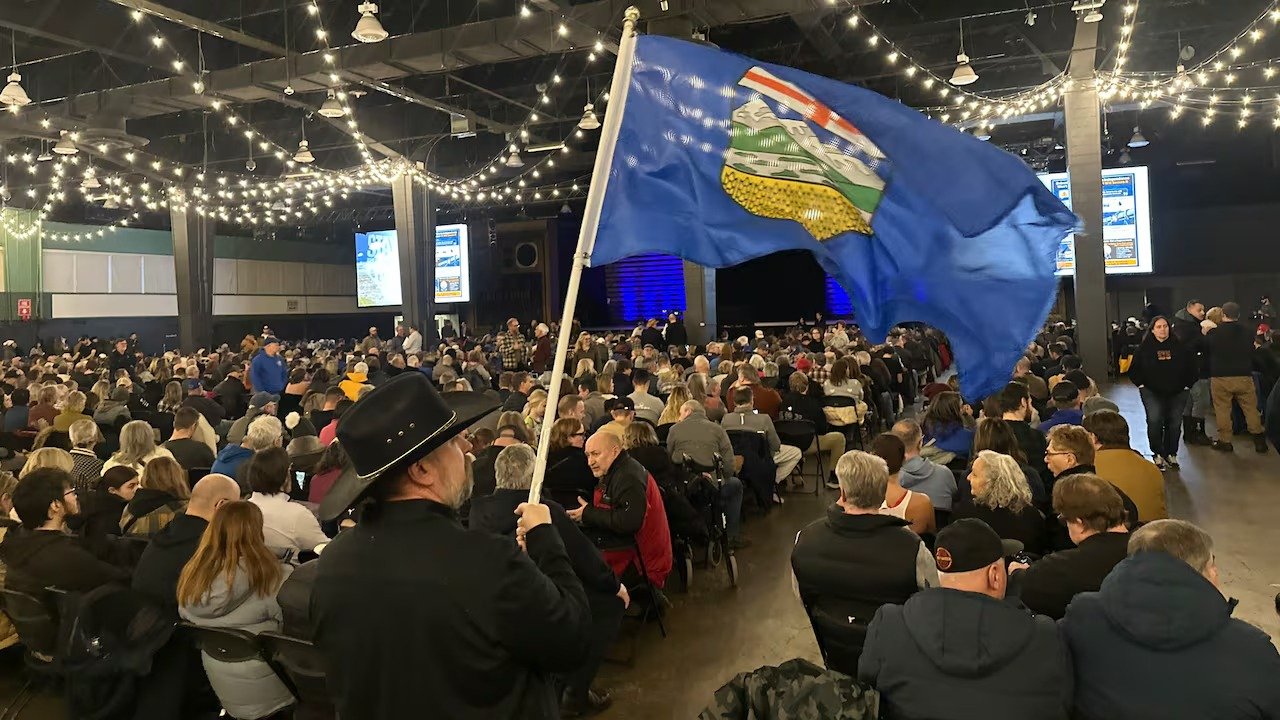
On the ground in Alberta, separatist organizations are already capitalizing on this perceived international backing. Groups like the Alberta Prosperity Project claim to have engaged with U.S. officials who are sympathetic to their cause, while the organization “Stay Free Alberta” has launched a massive petition drive to trigger a referendum. However, political analysts warn that while the U.S. might use such rhetoric for diplomatic leverage, the actual annexation or support of a breakaway province would face immense hurdles in the U.S. Congress and create unprecedented security challenges along the shared border.