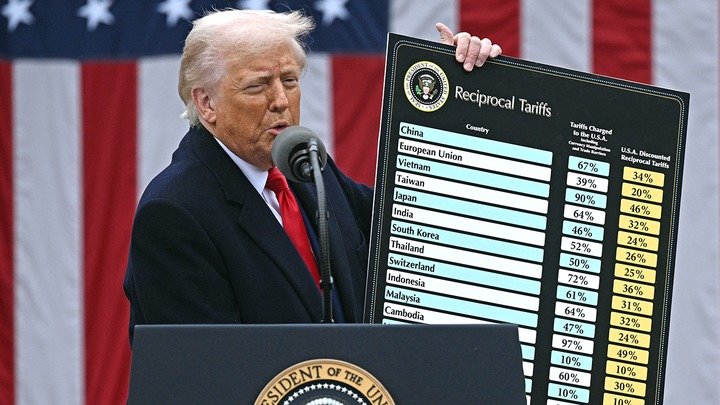
WASHINGTON D.C. — In a historic decision, the U.S. Supreme Court has dealt a massive blow to President Donald Trump’s controversial “Liberation Day” tariff plan. In a 6-3 ruling issued on Friday, February 20, 2026, the court struck down the President’s move to unilaterally impose heavy taxes on international trade partners. The court observed that the President does not have the authority to set trade taxes simply by declaring a national emergency, effectively halting a key pillar of the administration’s economic strategy.
The legal battle centered on Trump’s use of the International Emergency Economic Powers Act (IEEPA) to bypass legislative approval. The White House had argued that the U.S. trade deficit constituted a national emergency, making these tariffs an essential “life or death” tool for economic survival. However, Chief Justice John Roberts and the majority held that while the IEEPA grants the President certain regulatory powers, it does not grant the power to impose taxes—a role the U.S. Constitution explicitly reserves for Congress.
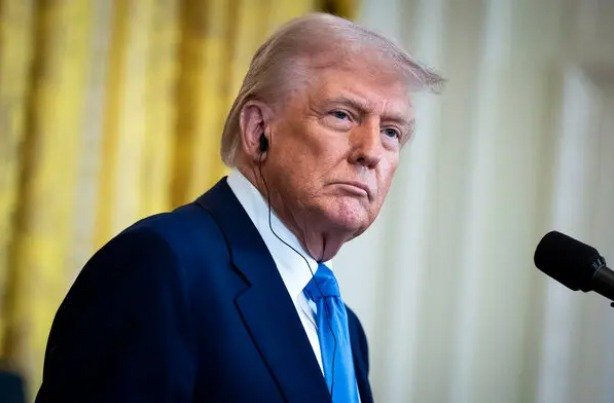
President Trump reacted sharply to the verdict, labeling the decision “political” and accusing the court of sabotaging his efforts to protect American industries and jobs. Despite his claims that the judiciary is overstepping, the ruling forces an immediate pause on additional duties that were being levied against goods from major partners, including Canada and Mexico. This development has been widely welcomed by international trade organizations, who hope the court’s intervention will restore much-needed stability to the global market.
The political fallout from this ruling is expected to be significant as the United States approaches upcoming midterm elections. While the administration must now roll back several existing tariffs, the President has signaled that he will not back down from his “America First” agenda. This clash between executive ambition and constitutional limits is set to become a central debate in the months ahead, as corporations and trade partners wait to see if the administration attempts to find alternative legal pathways to maintain its protectionist policies.