
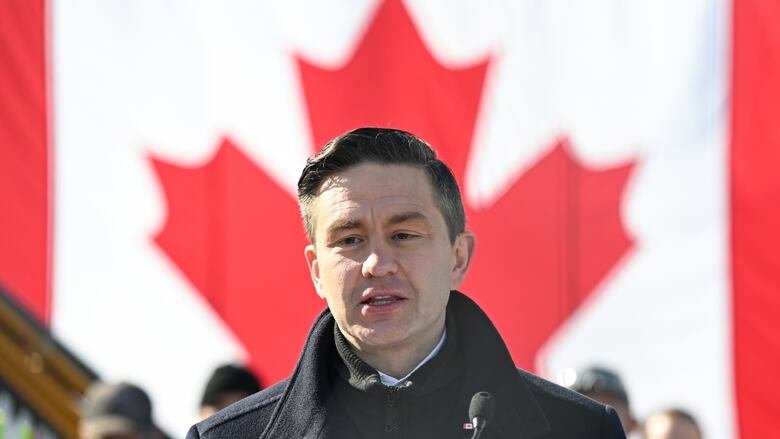
Ottawa, August 12, 2025 – The Conservative Party of Canada is grappling with internal dissent following its defeat in the 2025 federal election, with some party members labeling leader Pierre Poilievre’s tenure a “significant failure.” Despite the party’s increase in seat count from 120 to 144 and securing its highest vote share since 1988, Poilievre’s personal loss of his long-held Carleton riding and the failure to unseat the Liberal government have sparked significant unrest. Reports indicate that a faction within the party is frustrated with Poilievre’s refusal to step down, arguing that his leadership style and strategic missteps cost the party a winnable election.
This growing discontent has raised questions about the future direction of the Conservative Party as it prepares for a mandatory leadership review in January 2026. Critics within the party have pointed to Poilievre’s alleged affiliations with certain advocacy groups as a key factor undermining his leadership. Party insiders claim that Poilievre is under the influence of advisors such as Tim Uppal, Jasraj Hallan, and Arpan Khanna, who are accused of holding controversial affiliations. These figures allegedly wield significant control over party decisions, particularly in candidate nominations, which some argue led to the selection of weaker candidates in critical ridings. The nomination processes in ridings like Brampton Centre and Guelph are cited as examples where less competitive candidates were allegedly imposed, contributing to the party’s failure to secure a stronger foothold in Ontario, a province seen as pivotal for electoral success.
Further fueling the controversy are allegations of financial impropriety within the party’s nomination processes. Sources within the Conservative Party claim that party officials accepted payments from nomination candidates to secure seats in the Greater Toronto Area (GTA) and surrounding regions. These accusations of financial impropriety have intensified calls for a leadership overhaul, with critics arguing that such practices alienated potential voters and damaged the party’s credibility. The selection of less competitive candidates in key Ontario ridings is seen as a strategic blunder that cost the Conservatives the election.
As Poilievre campaigns to regain a seat in Parliament through a by-election in the safe Conservative riding of Battle River-Crowfoot, the pressure is mounting ahead of the leadership review. While Poilievre retains support from prominent figures like former Prime Minister Stephen Harper and MP Andrew Scheer, who praise his ability to energize the party base, the internal divisions threaten to fracture the party’s unity. Some members believe that only a change in leadership, replacing Poilievre and his key advisors, can restore the party’s prospects and broaden its appeal to swing voters in future elections. With the Liberals under Prime Minister Mark Carney holding a strong minority government, the Conservatives face a critical juncture in defining their identity and strategy moving forward.