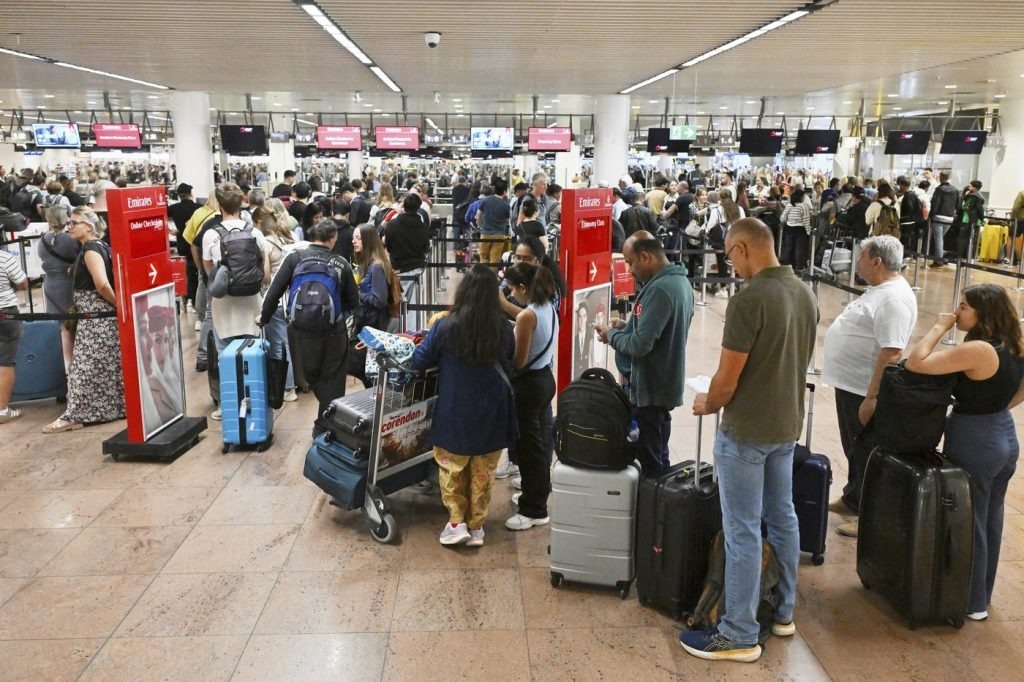
OTTAWA: European countries have announced a significant tightening of border regulations for visa-exempt travelers undertaking short-term visits, a move that will affect Canadian citizens, among others. The new measures include the introduction of two major electronic systems aimed at modernizing border management and enhancing security.
The first phase involves the launch of the Entry/Exit System (EES), expected to take effect around April 10. This new system will electronically record the entry and exit information of travelers crossing the borders of 29 European countries. As part of this process, the system will collect and store biometric data, including travelers’ facial images and fingerprints.
According to officials, the EES aims to ensure that visitors do not overstay the permitted duration of their short-term stays, and is also intended to combat terrorism and organized crime by improving border security oversight.
Furthermore, by the end of next year, the European Travel Information and Authorization System (ETIAS) will become mandatory for travel to 30 European nations. This electronic travel authorization is analogous to the Electronic Travel Authorization (eTA) currently required for visitors entering Canada.
Visa-exempt travelers will be required to obtain this online authorization in advance, which comes with a fee of 20 Euros. Once granted, the ETIAS authorization will be valid for a period of three years. Authorities state that these new procedures will enable European border officials to analyze traveler information prior to their arrival, significantly mitigating potential security risks and threats.