OTTAWA – Canada’s oil and gas industry is on the verge of a significant wave of merger and acquisition (M&A) activity, according to a newly released report by Deloitte. While the current global landscape is marred by high prices and regional conflicts, experts suggest that a more stable market by the end of 2026 will unlock massive investment potential. Andrew Botterill, a partner at Deloitte Canada, noted that once the current “geopolitical mayhem” subsides, investors will increasingly view Canada as a safe and reliable haven for capital.
The market is currently navigating extreme volatility driven by the U.S.-Israel war on Iran, which has pushed West Texas Intermediate (WTI) crude prices to approximately $115 per barrel. This surge, caused largely by the disruption of 20% of the world’s oil and liquefied natural gas (LNG) supply via the Strait of Hormuz, has created a valuation gap between buyers and sellers. However, Deloitte’s 2026 forecast predicts a stabilization of prices to an average of $85 per barrel, a level that is expected to bridge the gap and trigger an acceleration in deals.
Investment interest is primarily focused on the Montney and Duvernay regions of British Columbia and Alberta. These areas are home to some of the world’s highest-quality natural gas and liquids assets. Canadian producers have been praised for their consistent use of technology and disciplined cost management, which has kept large-scale resources highly profitable even during price fluctuations. As the industry moves toward further consolidation, these regions are expected to be the primary targets for strategic partnerships and joint ventures.
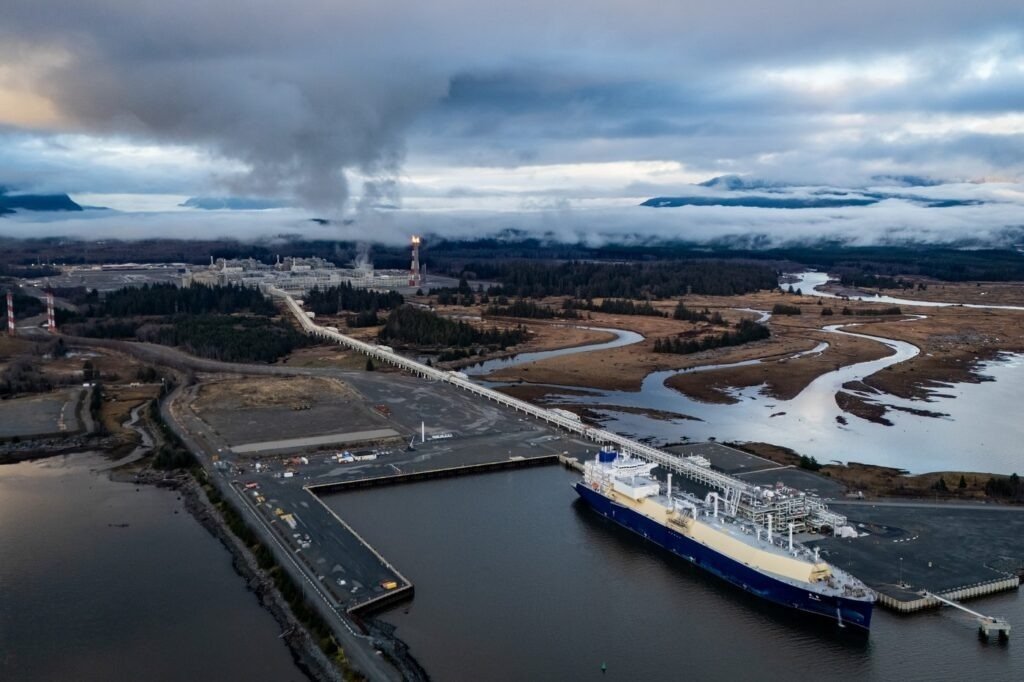
Beyond oil, Canada’s role in global energy security is being redefined by the international LNG crisis. With the conflict in the Middle East knocking out production from major players like Qatar, Asian and European markets are urgently seeking secure alternatives. The report highlights that Canada’s Pacific coast offers a stable, risk-adjusted supply chain that is increasingly attractive to global energy ministers. As the LNG Canada facility in Kitimat ramps up toward full capacity and additional projects move toward final investment decisions, Canada is well-positioned to become a cornerstone of the global energy transition.