
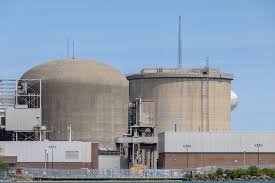
Ottawa : Canada has taken a bold step into the future of energy with the approval of its first new nuclear reactor since the 1980s. On April 7, 2025, the Canadian government greenlit a small modular reactor (SMR) project in Ontario, set to be operational by 2029. This marks a global first for a G7 nation, signalling a shift toward sustainable, high-capacity energy solutions to meet growing demands and climate goals. The reactor, designed to be smaller and more flexible than traditional models, is expected to power hundreds of thousands of homes while reducing reliance on fossil fuels.
The decision has sparked both excitement and debate. Proponents argue that SMRs represent a critical innovation, offering a reliable, low-carbon alternative to aging infrastructure and intermittent renewables like wind and solar. Ontario’s energy minister hailed it as a “game-changer” for the province’s economy, predicting thousands of jobs during construction and operation. However, critics, including some environmental groups, raise concerns about nuclear waste disposal and the long-term costs of such projects, urging investment in greener alternatives instead.
Public reaction has been mixed but leans toward cautious optimism. Posts on X highlight enthusiasm for Canada leading in clean energy tech, with some calling it a “proud moment” for national innovation. Others question the timing, pointing to global supply chain issues and the need for more immediate climate fixes. As the project moves forward, it could set a precedent for other provinces and countries watching closely.