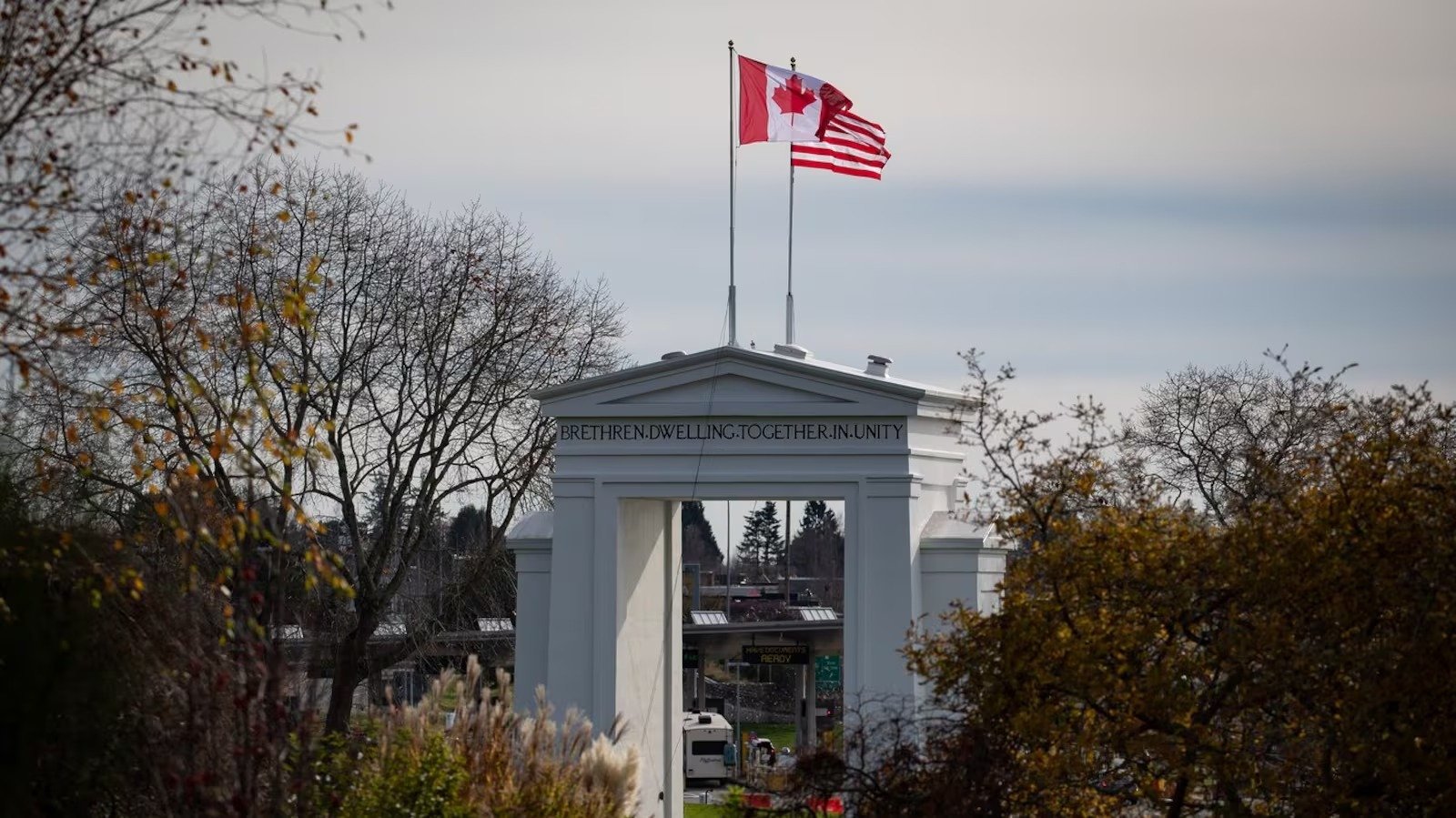
VANCOUVER – A significant decline in cross-border travel from British Columbia to the United States has been recorded in 2025, as residents increasingly opt to stay within Canada. While travel volumes showed a brief uptick at the beginning of the year, they plummeted sharply after February following a series of contentious political statements and the implementation of stricter border policies by the administration of U.S. President Donald Trump. Data from the Whatcom Council of Governments highlights a dramatic 51 percent drop in B.C.-licensed vehicles crossing into Washington state in April alone, a trend that has persisted throughout the year.
The downturn is largely attributed to “border anxiety” fueled by new regulations, including the mandatory collection of biometric data—such as photographs and fingerprints—for all non-U.S. citizens entering or exiting the country. Furthermore, reports of increased electronic device inspections and the potential for long-term data retention have discouraged casual travelers who previously crossed for shopping and recreation. This shift has dealt a severe blow to American border economies; in cities like Blaine and Bellingham, businesses that rely heavily on Canadian clientele have reported plummeting sales, with some even forced to close their doors permanently. Experts predict this “freeze” in cross-border relations may extend well into 2026, as Canadians prioritize domestic tourism and avoid what many now perceive as a hostile environment south of the border.