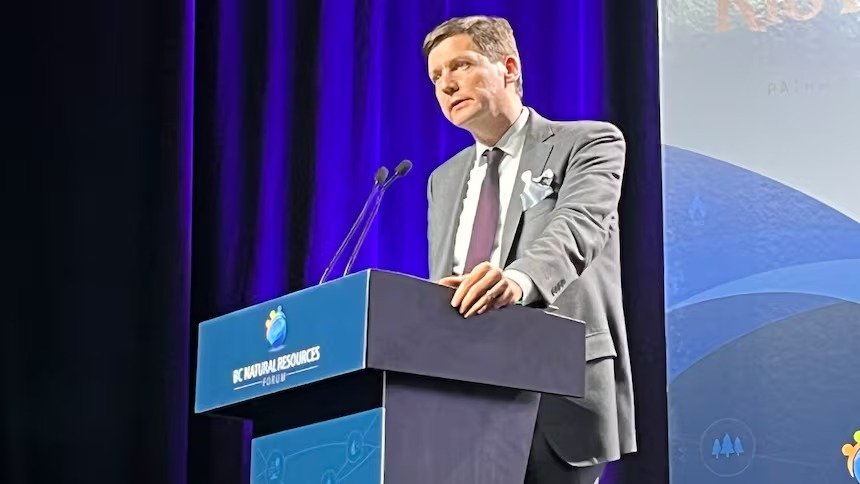
Vancouver: British Columbia Premier David Eby has announced plans to amend the province’s landmark Declaration on the Rights of Indigenous Peoples Act (DRIPA). Speaking at the Natural Resources Forum in Prince George on Tuesday, Eby stated that the revisions are necessary to prevent courts from exerting excessive control over reconciliation efforts and land rights negotiations. The Premier emphasized that such critical decisions should be resolved through government-to-government dialogue rather than through “confusing” judicial interventions.
The move follows a significant B.C. Supreme Court ruling regarding the Quw’utsun (Cowichan) First Nation, which recognized Aboriginal title over lands in Richmond. This decision sparked widespread debate about the co-existence of Indigenous title and private property. Premier Eby sought to reassure the public, stating that the rights of private homeowners and business owners are “sacrosanct” and not up for negotiation. He vowed to “go to the wall” to protect fee-simple property rights while continuing the work of reconciliation.
Clarifying Legislative Intent
Eby argued that the original intent of DRIPA—unanimously passed in 2019—was to provide a framework for cooperation, not to empower the courts to “sit in the driver’s seat” of provincial policy. He noted that recent court interpretations have created legal uncertainty for industry and residents alike. By amending the act, the government aims to:
- Provide greater clarity on how Indigenous rights are integrated into provincial law.
- Ensure that reconciliation remains a political and diplomatic process led by elected representatives.
- Establish more transparent pathways for resolving land claims outside the courtroom.
Reactions and Future Steps
While the BC Conservatives have called for a total repeal of the act, the Premier firmly rejected that demand, warning that scrapping the legislation would return the province to a “darker, conflict-oriented time.” However, the proposed amendments have already drawn criticism from some First Nations leaders and legal experts, who argue that undermining the judiciary’s role could weaken the legal force of Indigenous rights.
The provincial government is expected to introduce the specific legislative changes in the spring session of 2026.