
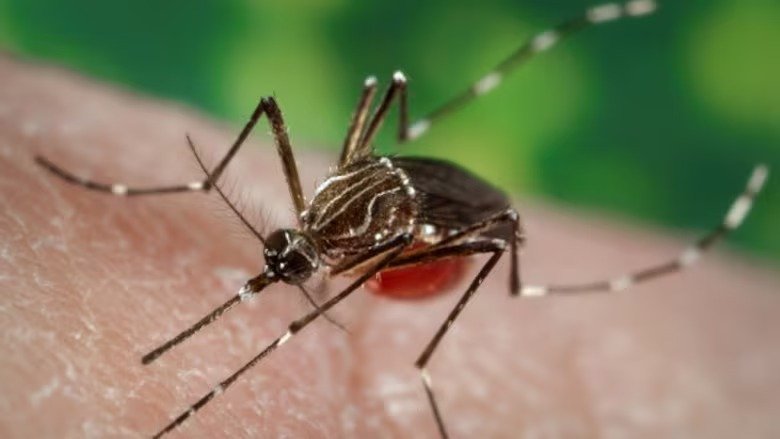
HAMILTON, ON: Hamilton Public Health Services has confirmed the city’s first human case of Eastern Equine Encephalitis (EEE) for 2025 in an adult resident with no known travel history. This marks the first human case of the rare and potentially severe mosquito-borne illness this year in the area. The public health service received laboratory confirmation of the case on Thursday.
According to Dr. Bart Harvey, the city’s associate medical officer of health, the overall risk of contracting the EEE virus is low. However, this case serves as an important reminder for residents to take precautions to protect themselves from mosquito bites.
EEE is a virus typically maintained in a cycle between wild birds and certain mosquito species. The virus can be transmitted to humans and horses through the bite of an infected mosquito. Symptoms in people can range from a mild, flu-like illness with fever, headache, and fatigue to a severe form involving inflammation of the brain (encephalitis), which can begin with a sudden headache, high fever, and vomiting.
Public health officials are urging residents to take simple preventive measures to reduce their risk of infection. These include using insect repellent containing DEET or Icaridin, wearing long-sleeved shirts and pants when outdoors—especially at dawn and dusk when mosquitoes are most active—and removing any standing water from their property weekly to prevent mosquito breeding.
In addition to the human case, Hamilton Public Health has confirmed two cases of EEE in horses this year. Officials note that the risk of these infections will decrease significantly once a heavy frost occurs.