
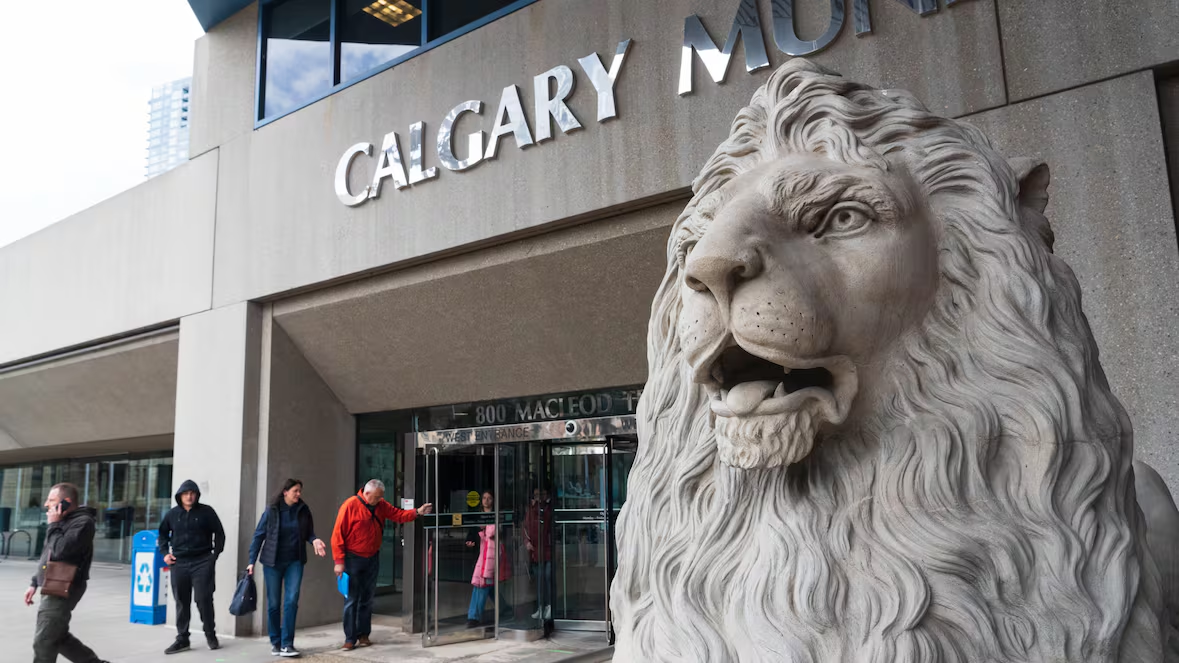
CALGARY: The City of Calgary’s municipal debt is projected to more than double by 2030 as officials pursue an unprecedented capital infrastructure program. According to a draft four-year budget tabled on Tuesday, city hall’s total debt will surge from its current $3.8 billion to more than $10 billion over the next four years. City council is scheduled to begin deliberations on the fiscal plan on Nov. 23.
Under the proposed budget, Calgary’s net outstanding debt per capita is expected to rise from $2,395 to $5,943 by 2030. This borrowing will push the municipality to 80 per cent of its total debt ceiling, up sharply from 43 per cent this year and roughly 40 per cent maintained since 2022. The $21-billion capital plan includes $2.9 billion in new tax-supported debt, which will require property tax revenue increases to cover principal and interest payments.
The added borrowing will fund major infrastructure initiatives, including the Green Line LRT project, water utility plant upgrades, new transit buses, and road and sidewalk improvements. Mayor Jeromy Farkas defended the strategy, noting that much of the debt stems from previously approved projects like the BMO Centre expansion, the Werklund Centre transformation, and the Scotia Place event centre. He compared the approach to a family taking out a mortgage, arguing it makes sense to spread payback periods over the 35-year lifespan of major assets rather than burdening current taxpayers upfront.
However, some council members have raised alarms over future debt-servicing costs. Ward 10 Coun. Andre Chabot expressed concern about how far the city is pushing its borrowing limits, noting that council is lobbying the provincial government to extend the maximum debt amortization period from 25 years to 50 years to better match the lifespan of new infrastructure. Chief Financial Officer Les Tochor cautioned that securing 40- or 50-year bonds in the market carries significantly higher interest rates due to long-term risk premiums.
To service the new debt while maintaining its AA+ credit rating, the city projects needing an additional 1.1 per cent in property tax revenue in 2028, rising to 2.2 per cent in 2029, and 1.9 per cent in 2030. With each percentage point equating to roughly $25.6 million, Calgary will be dedicating approximately $50 million annually to debt repayment by the end of the decade.