Vancouver: The debate over healthcare privatization has become a central issue in the British Columbia provincial election campaign. Premier David Eby, leader of the New Democratic Party (NDP), explicitly stated that he will not allow an American-style healthcare system to be implemented in the province. He emphasized that the primary goal is to ensure that a person’s financial capability does not dictate their access to healthcare services.
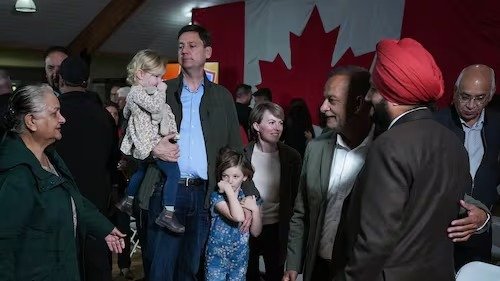
Speaking at an event in Delta ahead of the upcoming election on October 24, Eby reiterated his stance. He signed a “Public Healthcare Guarantee” pledge aimed at preventing healthcare workers from leaving the public system for the private sector and stopping queue-jumping or pay-to-access treatments.
Criticism of Alberta’s Healthcare Policy
Eby directed sharp criticism toward the healthcare reforms introduced by the United Conservative Party (UCP) government in neighboring Alberta. Last year, Alberta passed legislation allowing doctors to practice in both the public and private sectors simultaneously.
Critics argue this move undermines the public healthcare system and creates a two-tiered model where wealthier individuals receive prioritized care. Eby alleged that such policies pave the way for charging patients out-of-pocket fees for surgeries and emergency treatments.
However, the Alberta government maintains that these reforms address flaws in the current healthcare system and help recruit more doctors. Alberta Premier Danielle Smith stated that the new rules do not violate the Canada Health Act and affirmed that provinces hold jurisdiction over local healthcare policy decisions.
B.C. Conservatives Dismiss Eby’s Claims
The Conservative Party of BC rejected Eby’s allegations, calling them politically motivated. Party leaders stated they are committed to protecting funding for the public healthcare system and ensuring that a valid B.C. Services Card (health card) remains the only requirement to access medical care.
The Conservatives countered by accusing the current NDP government of failing to resolve critical issues, including emergency room closures and over one million residents lacking access to a family doctor. They claimed Eby is raising the privatization topic merely to distract from his administration’s healthcare failures.
Divergent Views on Tax Policies
The two parties also clash on how to fund and sustain healthcare improvements:
- NDP (Eby): Plans to generate additional revenue by increasing taxes on high earners, including introducing a new tax bracket for individuals earning over $1 million annually.
- BC Conservatives: Argue that tax increases will drive doctors and specialists away from the province. Instead, they propose a $50 million emergency fund to expedite the hiring of healthcare workers and prevent the closure of rural clinics. They also plan to appoint an expert panel to study international healthcare models.
Healthcare Central to the B.C. Election
Key issues driving voters in this election include the preservation of public healthcare, the role of private treatment options, doctor shortages, and taxation strategies. While the NDP advocates for strict public protection with no out-of-pocket costs, the Conservatives argue that structural reforms are necessary to fix existing flaws. How voters weigh these approaches will be a deciding factor in the October 24 election.