OTTAWA — Regional disparities in Canada’s enforcement of restrictions on U.S. alcohol imports have highlighted the decentralized nature of the country’s trade policy. While federal authorities navigate broader trade disputes with Washington, individual provinces retain control over their local liquor distribution networks, leading to a patchwork response across the country.
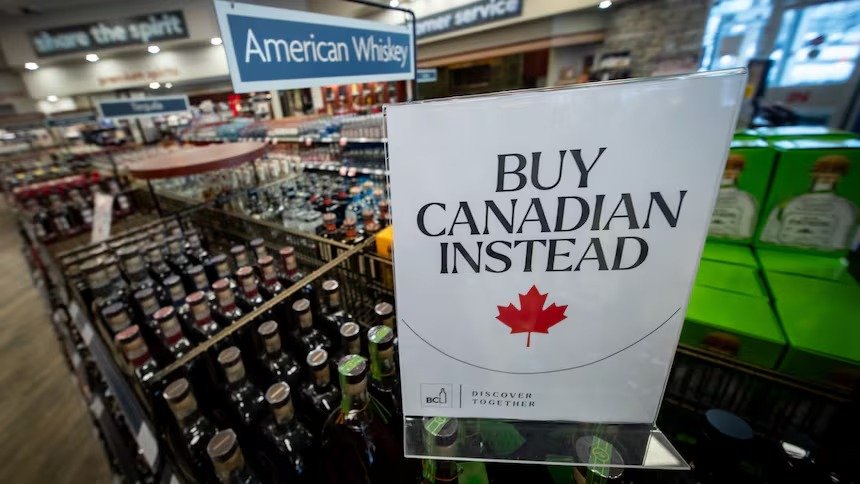
In Canada, provincial authorities govern the sale, pricing, and distribution of alcoholic beverages. Consequently, national countermeasures against U.S. trade policies are executed differently depending on the region. Major consumer markets like Ontario, through the Liquor Control Board of Ontario (LCBO), and Quebec, via the Société des alcools du Québec (SAQ), have implemented strict curbs and additional levies on American brands. In contrast, western provinces such as Alberta have adopted more flexible approaches with fewer restrictions on U.S. imports.
The restrictions—primarily targeting American bourbon, spirits, and wines—were initially introduced in retaliation to U.S. tariffs on Canadian goods.
Market Impact
- Price & Availability Disparities: Consumers face varying prices and availability for identical U.S. alcohol products depending on their province.
- Supply Chain Reductions: Leading American brands have seen a sharp drop in shelf space across multiple regions, with some markets pulling them entirely.
- Growth for Domestic Distillers: Canadian spirits and local wine producers are capitalizing on the opportunity, capturing market share left vacant by restricted U.S. imports.