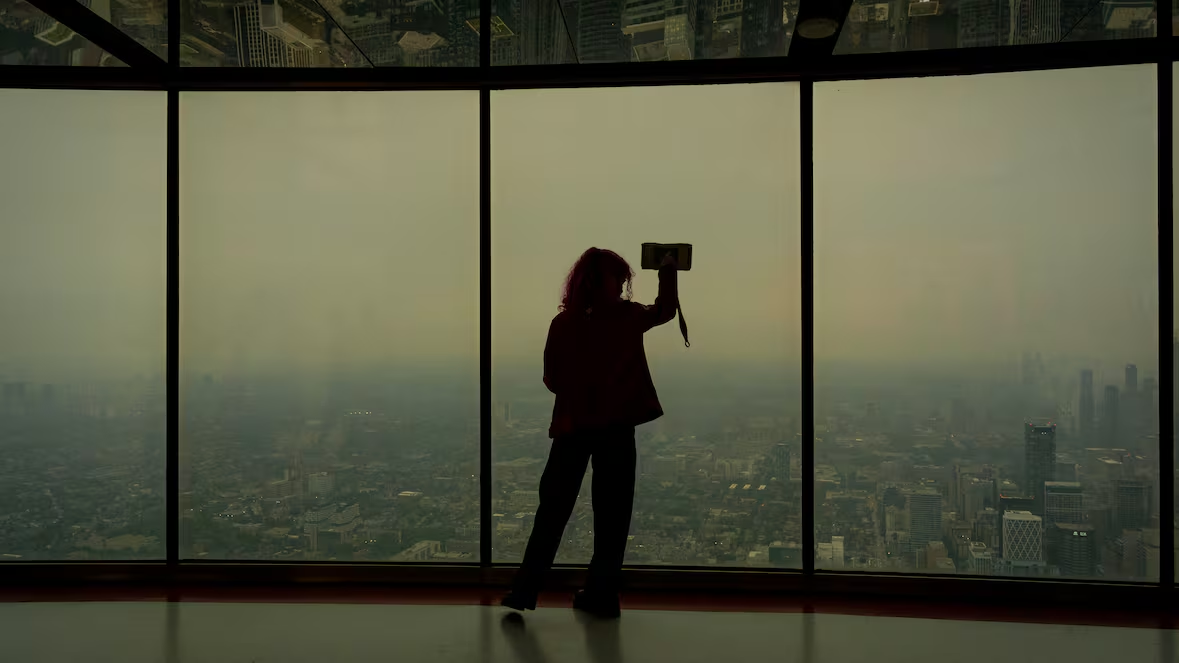
A thick, smoky haze from forest fires in northwestern Ontario has completely enveloped the Greater Toronto Area (GTA), prompting Environment Canada to keep an orange-level air quality warning in place. The Air Quality Health Index (AQHI) across major areas including Mississauga, downtown Toronto, and Oshawa plummeted to a “very high risk” level of 10+ on Thursday morning, causing poor visibility and severe health concerns.
The national weather agency has warned that the heavy smoke conditions pose a risk to everyone’s health, regardless of age or physical condition. Residents are urged to limit outdoor exposure, and to reschedule or cancel outdoor events. Those who must venture outside are advised to wear a well-fitted, high-quality mask, such as an N95, to protect against fine particulate matter. Highlighting the severity of the crisis, Toronto briefly ranked as the world’s most polluted city on Wednesday on IQAir’s global tracking list, before settling into third place by Thursday morning.
Exposure to the wildfire smoke may trigger symptoms such as headaches, throat and eye irritation, wheezing, or chest pains. Vulnerable populations—including seniors, pregnant individuals, young children, outdoor workers, and people with pre-existing cardiovascular or respiratory conditions—are at the greatest risk and have been advised to stay indoors with windows and doors tightly closed.
In response to the deteriorating conditions, the City of Toronto cancelled outdoor camp programs and closed all city-run outdoor pools. Additionally, the city has established six designated “cleaner air spaces” at various civic centres, including City Hall and Metro Hall, to offer residents a safe environment to breathe clean air. Meteorologists expect the heavy haze to begin clearing by Friday or over the weekend as wind directions shift and flush the smoke out of the region.