
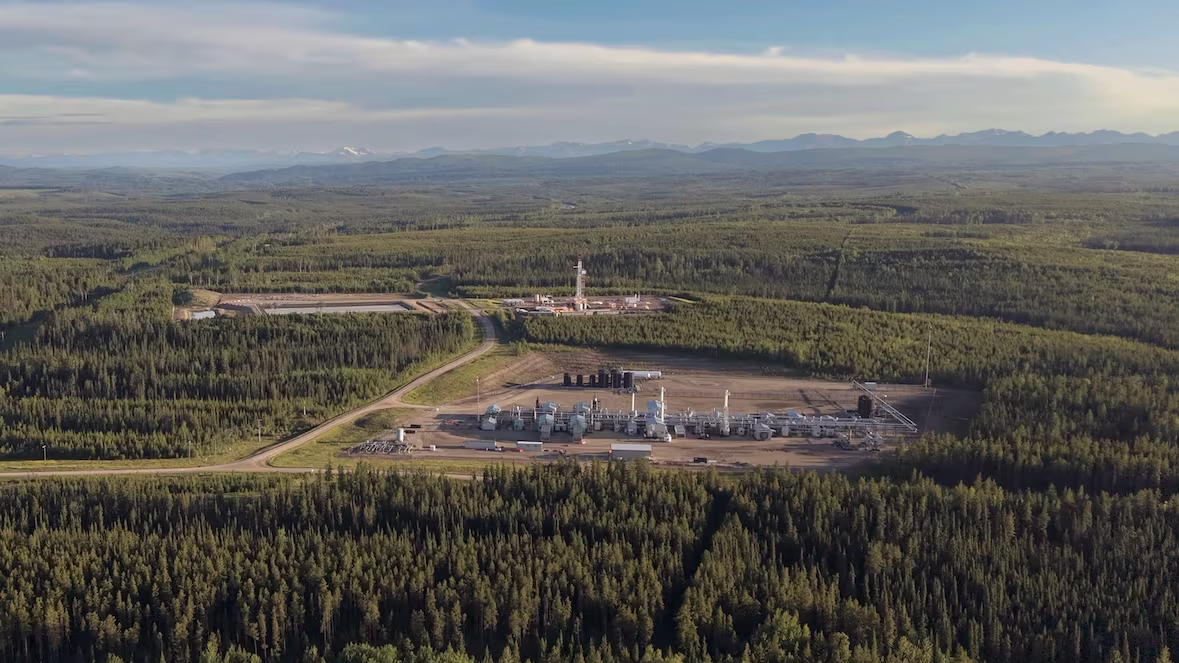
An energy company owned by a major Canadian natural gas producer, Tourmaline Oil Corp., has proposed a massive data centre project in west-central Alberta. Named “Malachite One,” the project is being planned by Emerald Energy Technologies, a wholly-owned subsidiary of Tourmaline, despite not yet securing a technology company to operate the facility. The proposed site is on Crown land, adjacent to Tourmaline’s active Banshee Gas Plant, about 40 kilometres southwest of Edson in Yellowhead County.
If approved, the plant would convert 150 million cubic feet of natural gas daily into one gigawatt of electricity to power the data centre, which would act as a high-speed data processing hub. The power-generation facility is estimated to cost up to $5 billion, while the data centre infrastructure could cost up to $15 billion. The project is projected to create 300 to 500 long-term jobs at the data centre and 40 to 60 permanent positions at the power-generation facility, in addition to employing several hundred short-term construction workers. Furthermore, Tourmaline is considering an optional carbon sequestration component to compress carbon dioxide and inject it 3,700 metres underground to mitigate emissions.
However, the presentation to Yellowhead County council has raised several environmental and operational questions from local officials. Councillors pressed developers on water usage, as the project would draw a combined 50 litres of water per second from the Embarras and McLeod rivers. Additionally, concerns were raised regarding the reclamation of the site at the end of its 30-to-50-year lifespan, specifically regarding the recycling of thousands of graphics processing units (GPUs) which only have an active lifespan of three to five years.
The proposed site near the hamlet of Robb benefits from existing fibre optic cables capable of transporting data across Canada and the United States. To proceed, Malachite One must secure several provincial regulatory approvals, consult with Indigenous stakeholders, obtain clearance from the Alberta Utilities Commission, and satisfy Yellowhead County’s local bylaws to secure a development permit. While the county recognizes the massive economic potential of the project, officials emphasize that these benefits must be balanced with responsible development.