CALGARY: As summer grilling season kicks into high gear and the Calgary Stampede draws massive crowds, Albertans and visitors alike are facing a familiar sting at the checkout counter—surging beef prices. According to recent data from Statistics Canada, beef prices rose by 2.2 percent in May compared to the previous month. This subtle monthly bump contributes to a stark long-term trend, representing a 13 percent increase from this time last year and a staggering 63 percent jump compared to prices just five years ago.
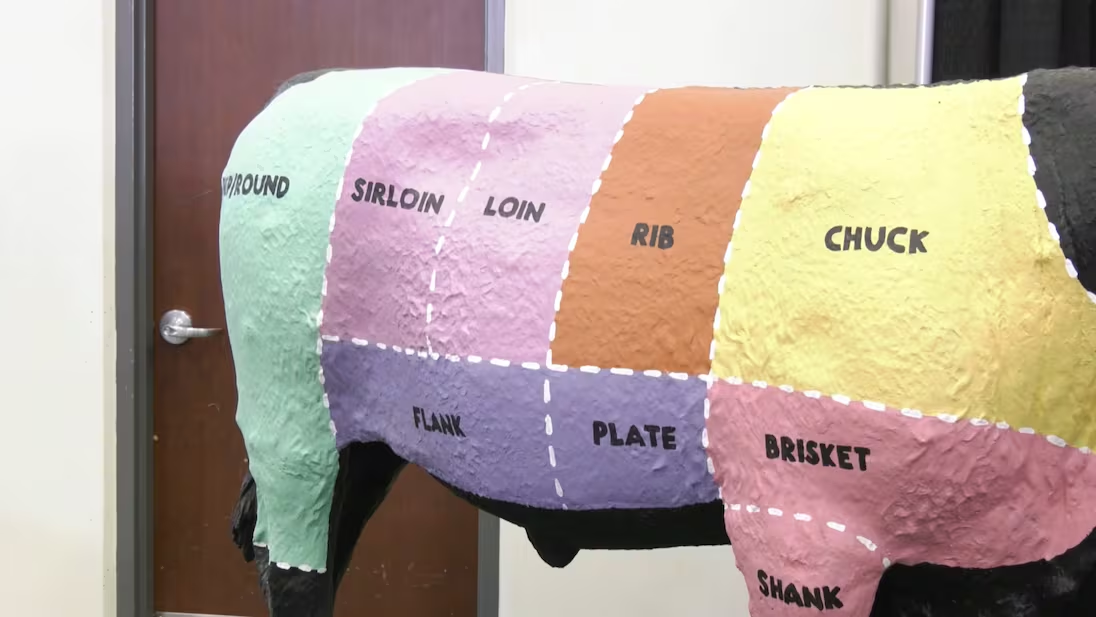
Despite the noticeable sticker shock, consumers on the Stampede grounds seem more than willing to pay a premium for local delicacies. Helen Bird, a Calgarian attending the event, spent $55 on a single beef brisket and rib platter, noting that while everything costs more on the grounds, the iconic “Alberta beef” experience makes the annual splurge completely worth it. This sentiment reflects a nationwide trend; Canadians are refusing to cut beef from their diets. Michael von Massow, a professor of food, agricultural, and resource economics at the University of Guelph, noted that national beef consumption actually ticked upward last year despite rising costs, though consumers are subtly adapting by purchasing more ground beef and fewer premium cuts like striploin.
The structural root of the price hike lies in a classic economic imbalance: shrinking supply meeting robust public demand. Years of persistent drought across Western Canada sent feed costs skyrocketing, forcing many ranchers to downsize their production. John Lee of Chico Ranches in Rocky View County shared that his operation endured four consecutive years of drought, causing local producers to heavily trim their herds. Lee noted that over the past three years, it was common for regional ranches to systematically knock out 200 cows at a time from a 1,000-head herd just to survive the harsh conditions.
While the Canadian cattle herd is finally growing for the first time in years—up 2.5 percent, or roughly 270,000 head of cattle compared to last year—experts warn that rebuilding a national herd is a painfully slow biological process. It takes considerable time for heifers to mature and give birth, meaning it will take 18 to 24 months for these new calves to finally reach the commercial market. Jamie Kerr, a beef industry analyst with Canfax, stated that while sustained price relief at the grocery store is still “a little ways out,” the industry is definitively moving in the right direction. Until then, vendors like Aren Hansen of Handmade Burgers say businesses have no choice but to pass a 10 percent cost increase onto consumers to maintain their margins, relying on the fact that customers will always pay a bit extra for high-quality food. Industry experts expect market prices to stabilize and begin tapering down slightly later this year.