
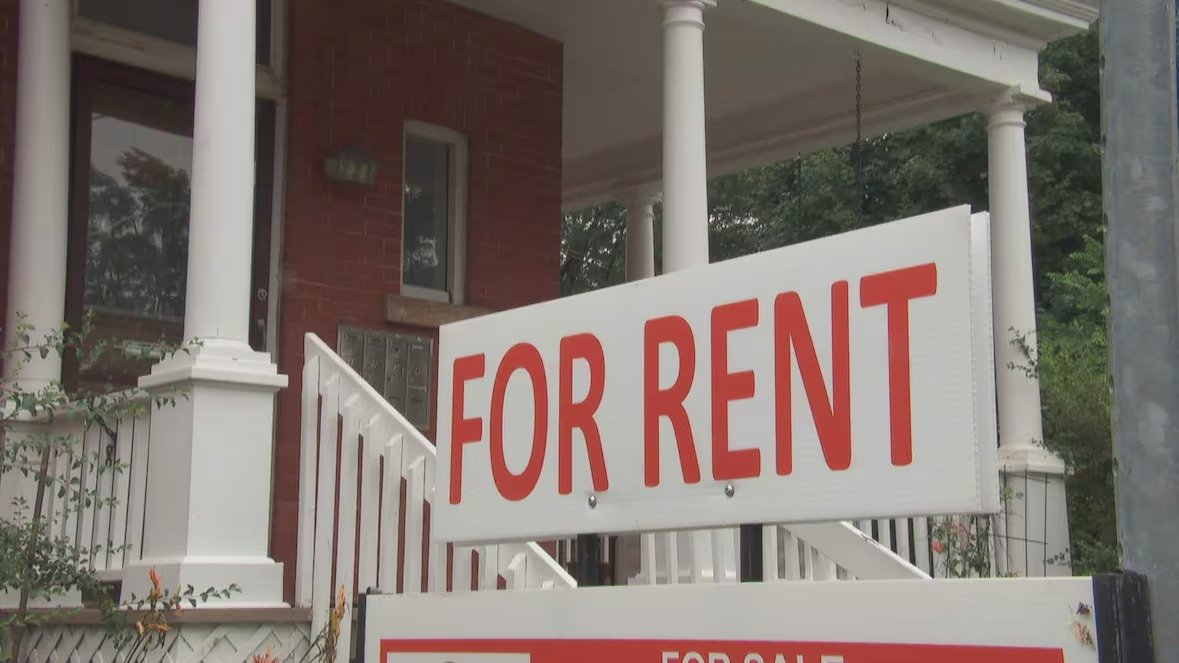
OTTAWA — The City of Ottawa is preparing to vote on a new municipal by-law designed to prevent landlords from falsely evicting tenants under the guise of property renovations—a predatory practice commonly known as “renoviction” that is often used to flip units for higher market rents.The proposed draft framework will be put to a vote by the city’s Planning and Housing Committee on July 8, 2026.
Under the strict guidelines of the new by-law, landlords issuing an eviction notice for renovations or repairs must apply for a special city-issued “Rental Renovation Licence” within seven days. To secure the licence, property owners will be required to submit a verified building permit, a copy of the formal eviction notice, and a signed certificate proving they have provided the tenant with a city-produced “Eviction Education Guide.”
According to the committee’s report, these bad-faith tactics systematically target vulnerable residents paying below-market rates. If unchecked, the practice threatens to rapidly deplete the city’s dwindling pool of naturally occurring affordable housing.
However, the initiative has met with significant pushback from property associations. John Dickie, Chairman of the Eastern Ontario Landlord Organization, warned that the policy could discourage vital investments in Ottawa’s rental market. He argued that the additional administrative red tape would delay crucial building repairs, stretching what is typically a four-month renovation timeline into at least six months.
Addressing financial concerns, the city report clarified that there will be no upfront application fee for the licence. Instead, the operational costs of the program will be fully funded through heavy fines levied against non-compliant or bad-faith landlords.
While official data shows an average of only 31 renovation-related eviction notices filed annually with the Landlord and Tenant Board (LTB) in Ottawa, advocacy groups insist the numbers grossly underrepresent the crisis. Christelle Azzi, a tenant rights advocate and lawyer with Community Legal Services of Ottawa, pointed out that landlords heavily rely on cash buyouts—often called “cash-for-keys” deals—to quietly displace tenants before an official notice is ever registered.
The urgency of the situation is underscored by the city’s shifting demographics. Data from 2024 reveals that 35 per cent of Ottawa households are rentals, a figure projected to climb sharply to 43 per cent by 2035. Advocates emphasize that robust local oversight is essential to secure tenant stability.
If the Planning and Housing Committee and the full City Council approve the draft report this month, the anti-renoviction by-law is slated to take full effect by 2027.