OTTAWA — A dramatic surge in global fuel prices is triggering a severe food security crisis across Northern Canada, with essential grocery prices hitting record highs. The remote region, which relies almost entirely on air and sea transport for its supply chain, is being hit hardest by a global spike in jet fuel and bunker oil costs. The geographical isolation of these communities makes them uniquely vulnerable to shifts in the global energy market, as there are often no road alternatives for bringing in fresh supplies.
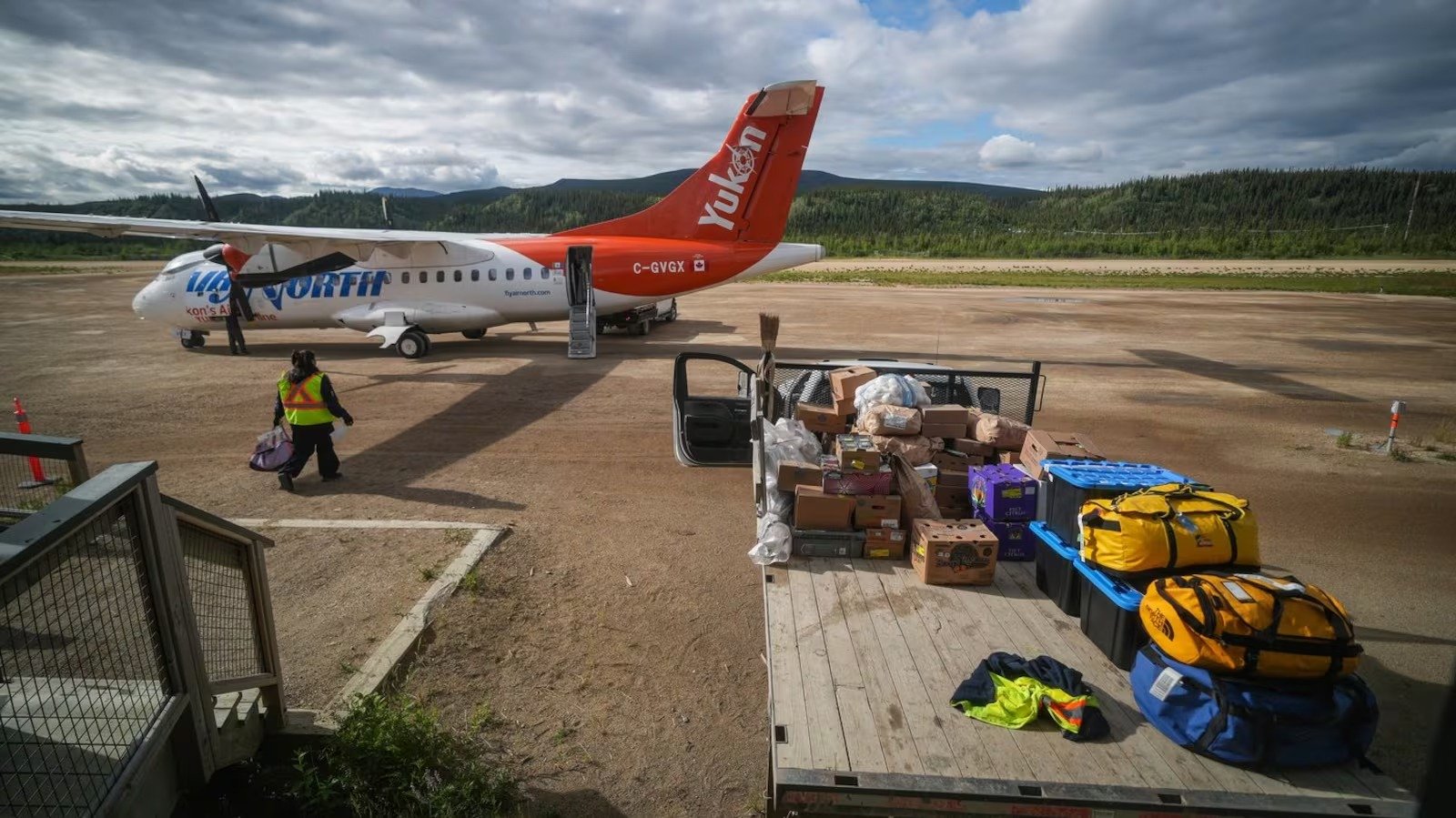
The crisis has been largely attributed to disruptions in the Strait of Hormuz, a critical maritime chokepoint. Ongoing geopolitical tensions have caused jet fuel prices to more than double since the beginning of the year. Because perishable items like milk, fruits, and vegetables must be flown into the Far North to ensure they remain fresh, these fuel hikes are being passed directly to retailers through emergency fuel surcharges implemented by regional airlines.
Major retail chains, such as The North West Company, are facing unprecedented logistics challenges, reportedly paying an additional 20 to 50 cents per pound in fuel surcharges for air freight. While companies are attempting to shield customers by holding prices steady on absolute essentials like milk and bread, prices for non-essential goods like snacks and beverages have already spiked. While some local cooperatives are temporarily protected by older, fixed-rate fuel contracts, experts warn these buffers will disappear as soon as those contracts expire and are renewed at current market rates.
The financial burden is further exacerbated by the fact that federal subsidies have not kept pace with the rapid rate of inflation. For many residents in Nunavut and the Northwest Territories, the cost of a standard food basket is reaching levels that are nearly double what a consumer pays in southern cities like Ottawa. With global energy markets remaining volatile, economists and community leaders are calling for urgent government intervention to prevent a full-scale humanitarian crisis in Canada’s most vulnerable northern communities.